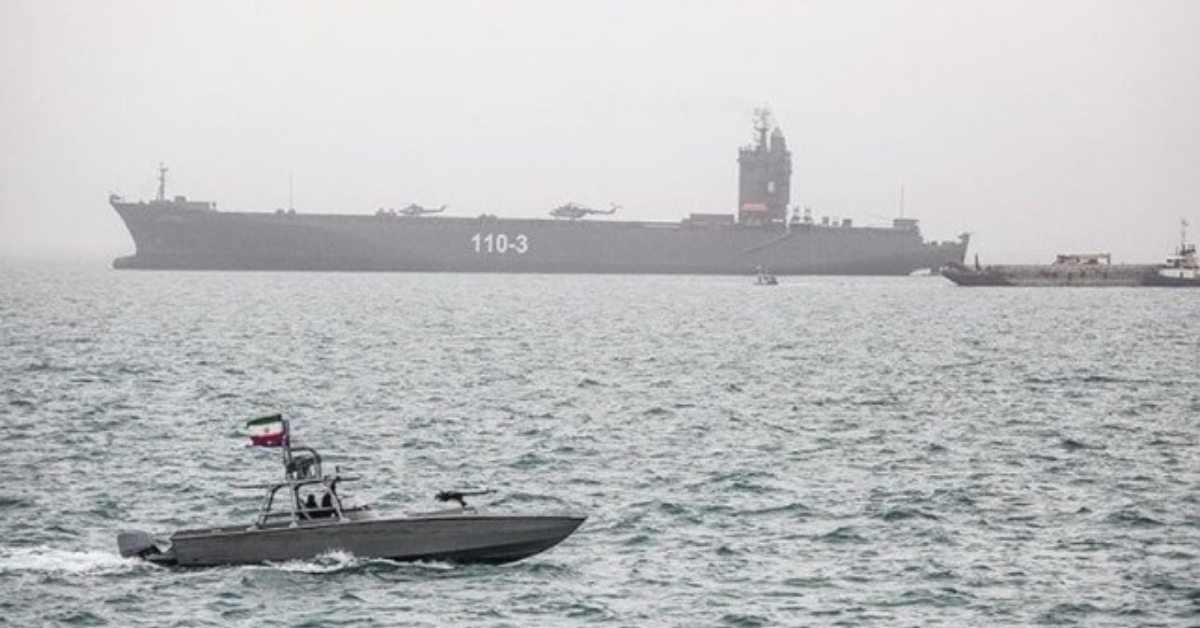
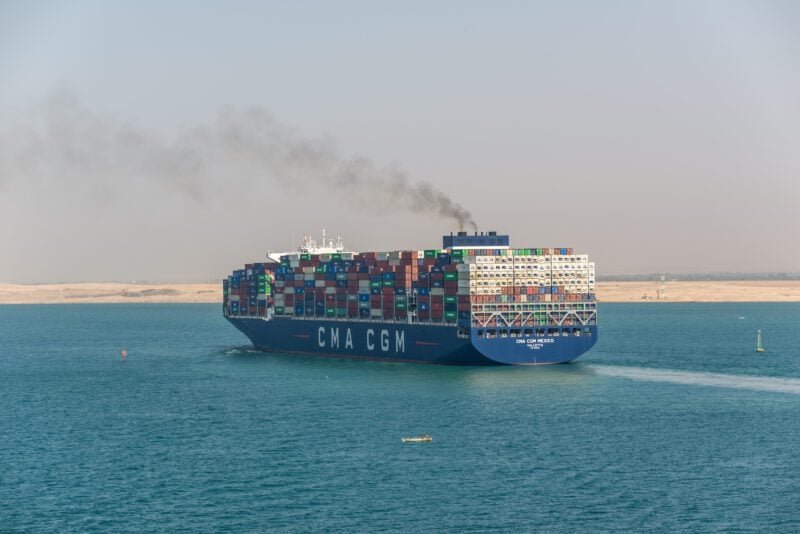
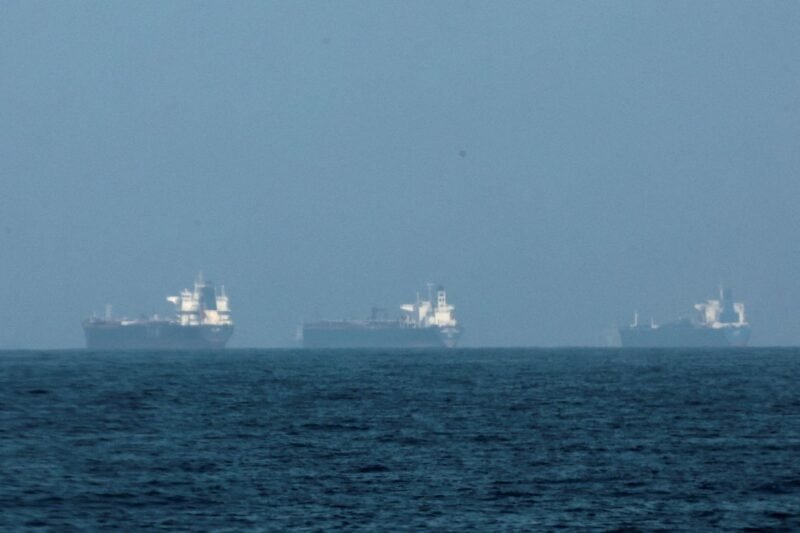
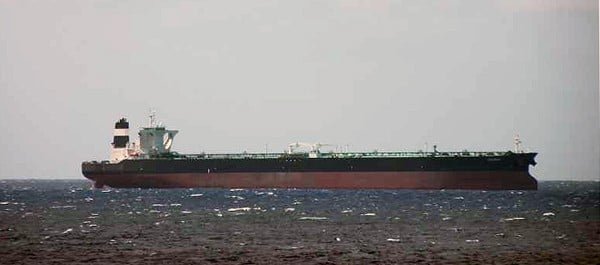
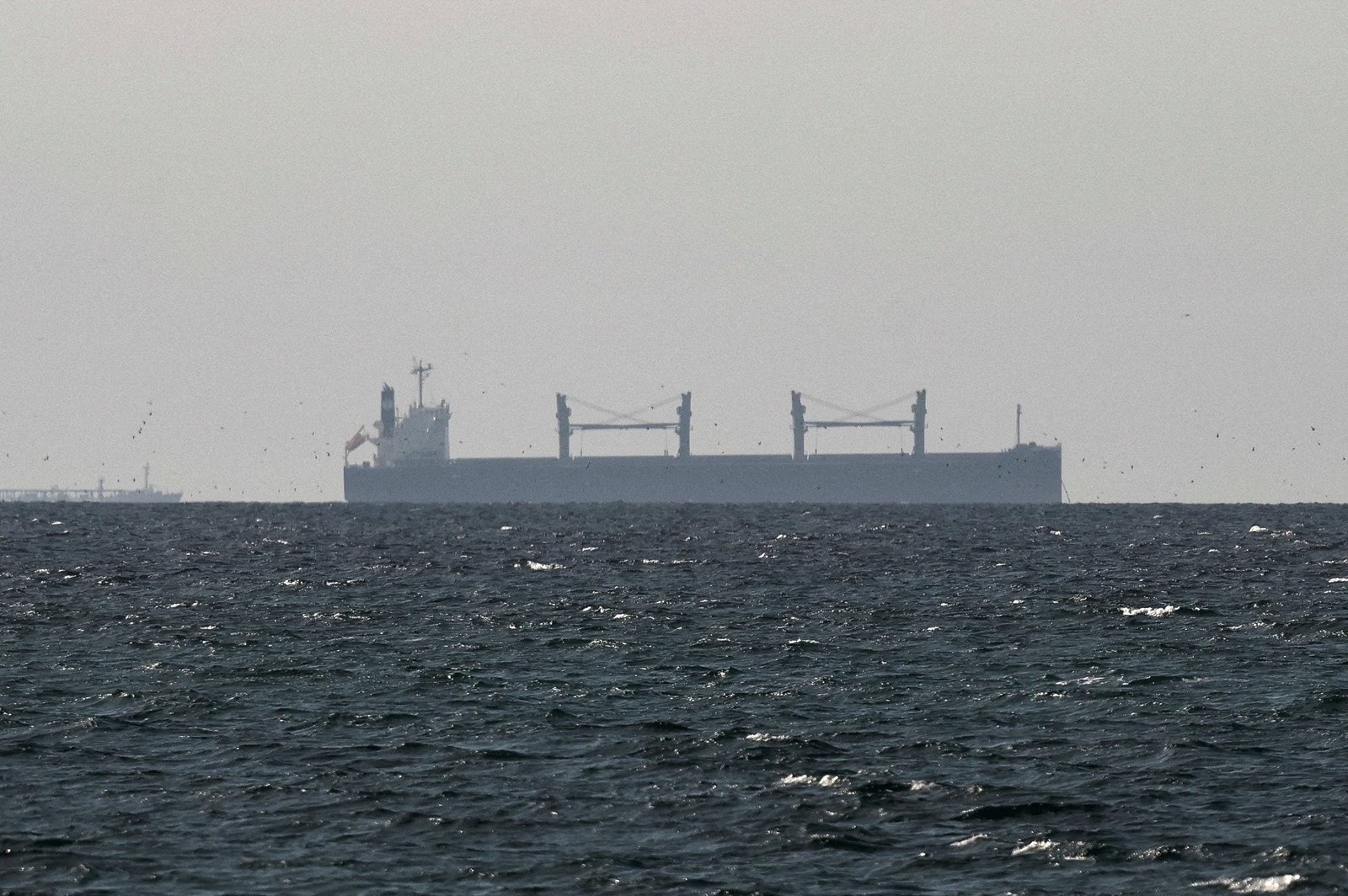
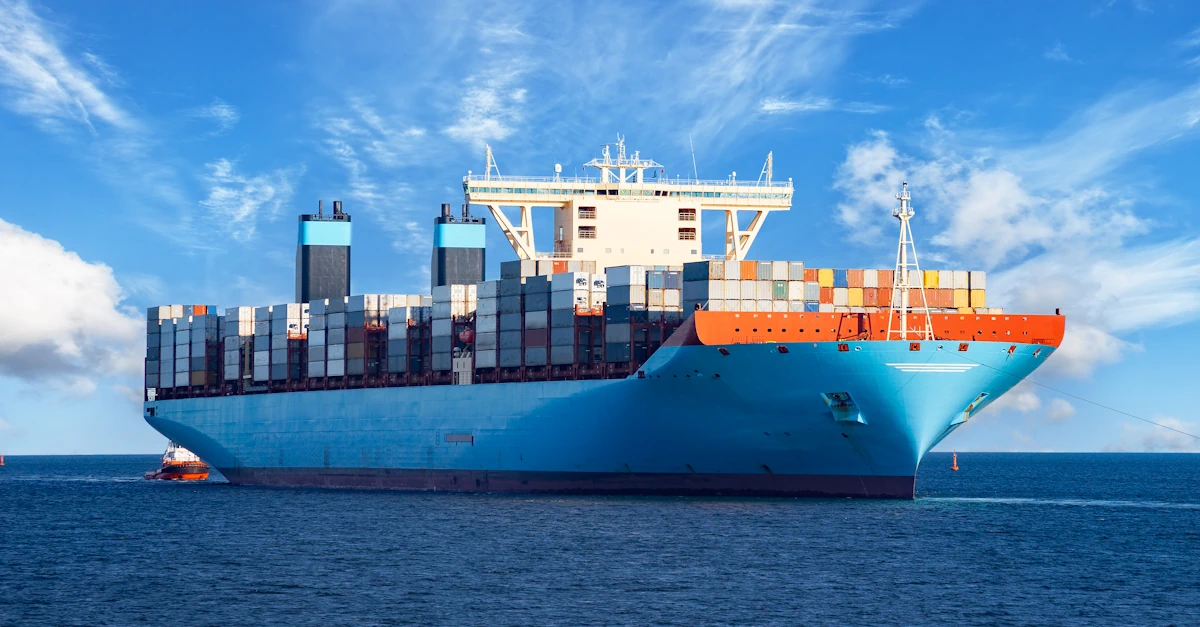
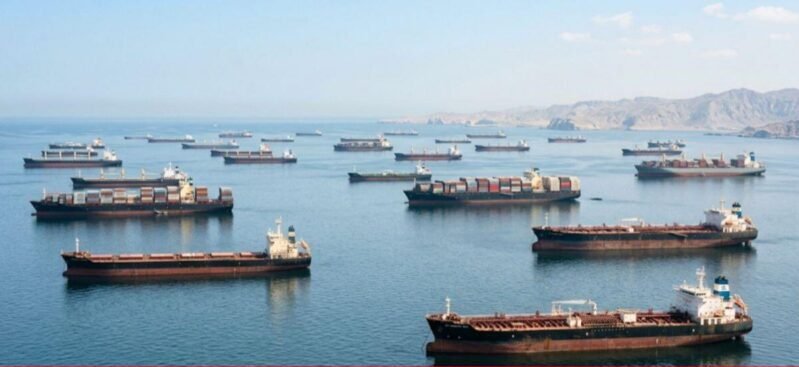
Disruptions to shipping in the Strait of Hormuz are causing widespread concern in global energy, shipping, and agricultural markets, especially regarding the impact on developing economies. This is highlighted in a recent rapid analysis by the United Nations Conference on Trade and Development (UNCTAD). The report, titled Strait of Hormuz Disruptions – Implications for Global Trade and Development, details the economic consequences stemming from increased regional tensions that disrupt maritime traffic in this vital trade corridor.
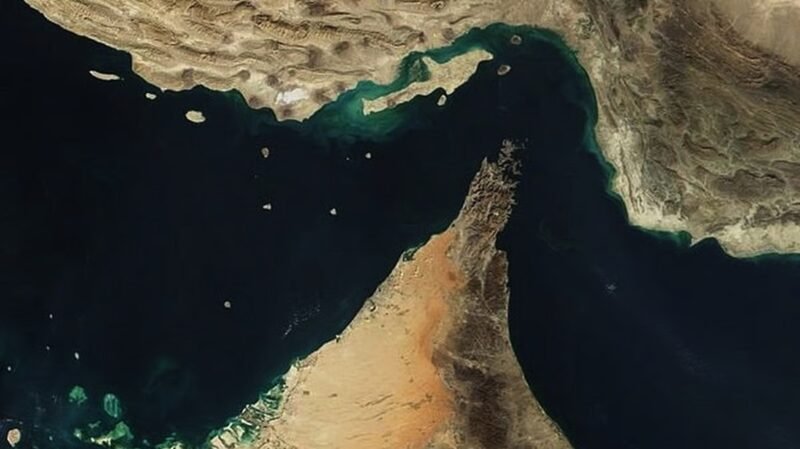
The Strait of Hormuz is crucial, as it facilitates about 25% of the world’s seaborne oil trade, along with significant quantities of liquefied natural gas and fertilizers. The narrow channel connects the Persian Gulf to the Gulf of Oman, making it a key chokepoint for global shipping. The analysis notes that Brent crude prices swiftly climbed above $90 per barrel, while freight and insurance costs rose sharply, highlighting the security risks associated with shipping in the area.
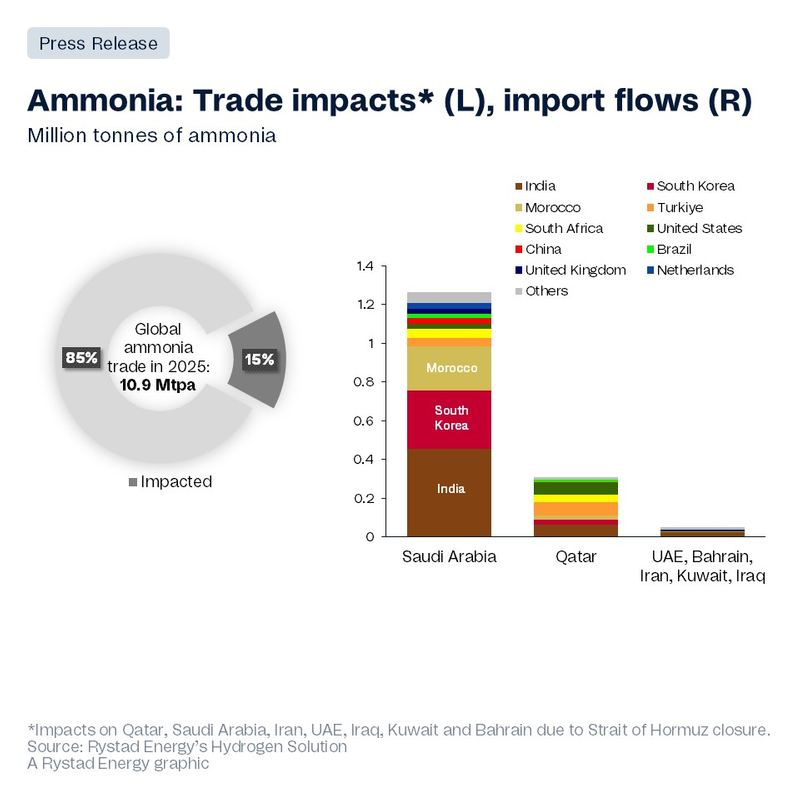
Additionally, the disruption affects agricultural inputs, notably fertilizers, which are vital for food production. UNCTAD estimates that roughly one-third of the global seaborne fertilizer trade passes through the Strait, emphasizing the potential for food insecurity in vulnerable regions. The report stresses that developing economies, already burdened by high debt, may struggle to cope with rising costs for energy and agricultural imports, mirroring the negative impacts seen during past crises like the COVID-19 pandemic and the Ukraine conflict.
Overall, the situation underscores the fragility of global supply chains, particularly when critical maritime chokepoints are threatened. UNCTAD calls for resilience in global trade networks, highlighting the importance of safeguarding essential maritime corridors to ensure the uninterrupted flow of energy, food, and other vital commodities.
Share it now