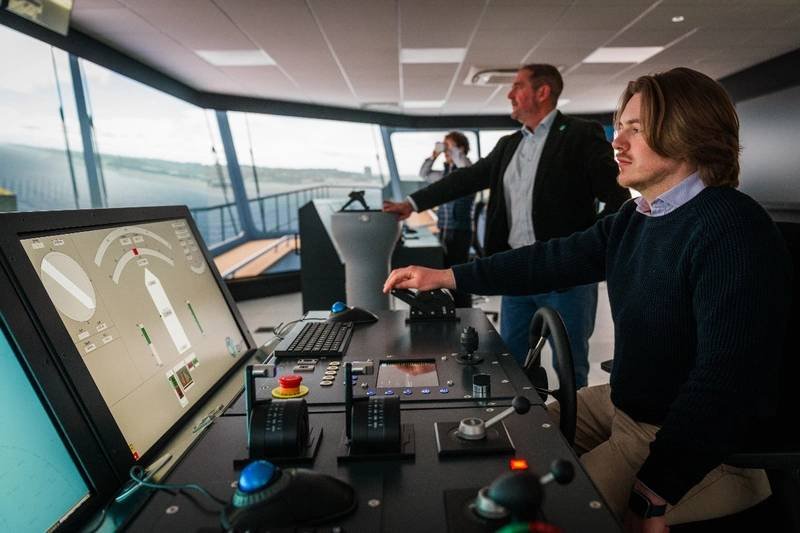
The Swedish Energy Agency has initiated a simulation project designed to provide maritime stakeholders with a model-based digital platform for testing future vessels, operational strategies, and energy systems before their actual deployment. Known as the Nordic MiL project, this initiative seeks to unite vessel operators, technology providers, research institutions, and universities to create an open and neutral simulation environment.
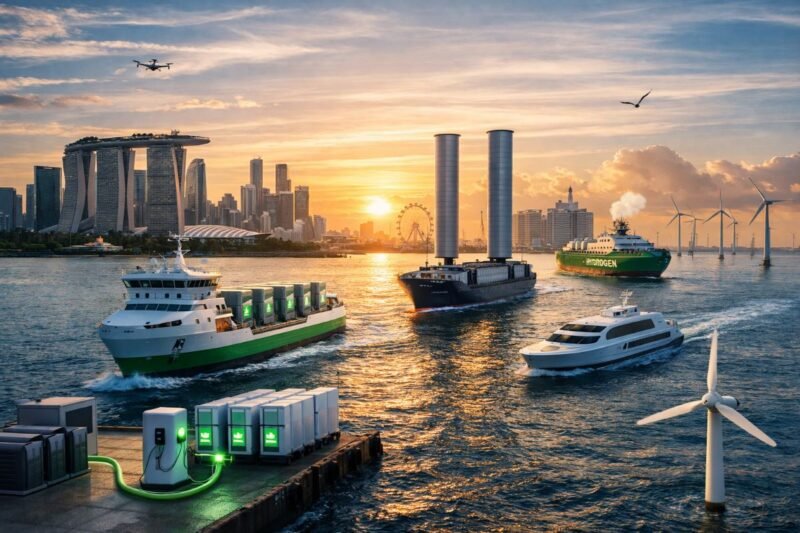
The platform will facilitate a variety of real-world decision-making scenarios. These include evaluating different vessel types for specific operations, experimenting with alternative driveline technologies like electric and hydrogen systems, and exploring adjustments in routes and operational speeds. Additionally, it will assess the electrification of auxiliary systems, optimize wind farm operations for comfort and energy efficiency, and support infrastructure planning by examining charging needs and grid constraints.
By offering these capabilities, Nordic MiL enables maritime stakeholders to transparently evaluate risks and opportunities, whether they are planning for electrification, acquiring new vessels, or designing environmentally friendly transport corridors. The platform will feature both a free public version and a commercial version, making advanced simulation tools accessible to a wide range of users, including operators, municipalities, and policymakers.
Through this initiative, Cetasol aims to enhance its digital-twin expertise, transitioning from real-time optimization to predictive, scenario-based simulations. This will provide the maritime sector with a more secure and transparent foundation for planning future operations and energy systems. Developed in collaboration with prominent Nordic and international partners, Nordic MiL represents a significant step forward in maritime innovation.
Share it now