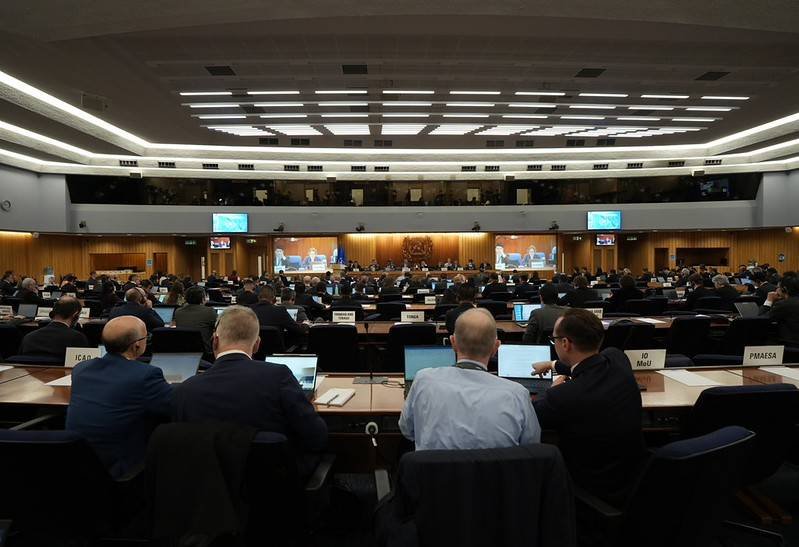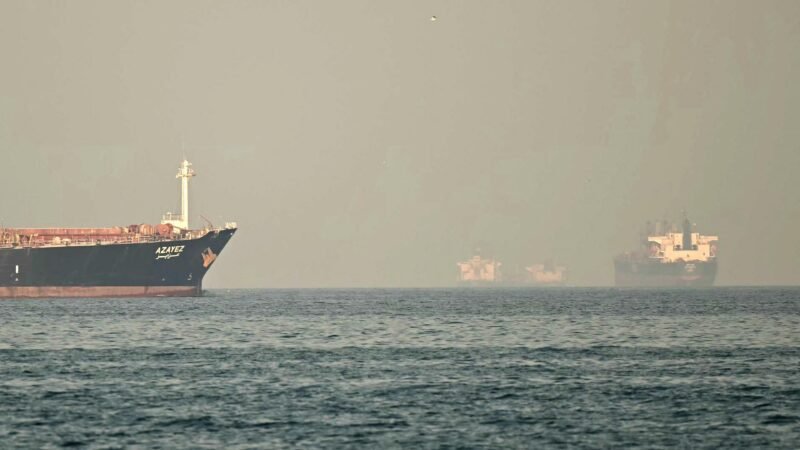
The recent Pollution Prevention and Response Sub-Committee meeting at the International Maritime Organization (IMO) in London did not lead to widespread headlines or dramatic regulations, yet it may be one of the most impactful gatherings for shipping operations in years. During the PPR 13 discussions, a notable shift in assessing environmental performance emerged, moving beyond fuel types and equipment to include the comprehensive operation of vessels throughout their lifecycles.
Participating industry groups, like the World Shipping Council, debated various topics, such as biofouling and Arctic emissions. Unlike previous approaches focused solely on tightening emissions limits, the IMO is now examining real operational challenges faced by ship operators. This includes hull conditions and the impact of maintenance decisions, which may soon be evaluated through an environmental lens. A significant topic at PPR 13 was the management of biofouling, transitioning from merely an invasive species concern to an issue tied to emissions efficiency.
Developments concerning exhaust gas cleaning systems and NOx certification also highlighted the evolving regulatory landscape. As scrutiny increases on discharge water from scrubbers, operators might face more stringent regulations, necessitating a shift in compliance strategies. Discussions around NOx certification acknowledged the gap between traditional testing processes and the realities of modern shipping operations, suggesting that future certifications may reflect actual operational performance more closely.
Collectively, these discussions imply a transformative rethinking of environmental regulation by the IMO. Compliance will increasingly hinge on the operational behaviors and combined lifecycle performance of ships, rather than the installation of standalone technologies. For shipowners and chief engineers, this reflects a shift from simple compliance to ongoing, demonstrable environmental performance, with significant implications for daily operations.
Share it now