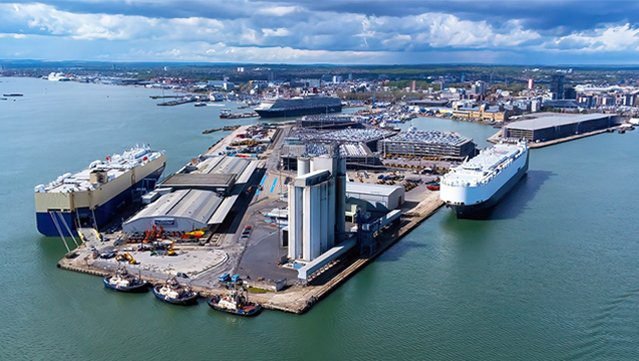
The UK ETS Authority is seeking feedback on a proposal to include emissions from international maritime voyages that either start or end in the UK, with implementation slated for 2028. Under this proposal, 50% of emissions from these voyages would fall under the UK ETS carbon pricing framework, aligning with the current EU ETS standards. This expansion will specifically target ships already subject to the UK ETS due to their domestic operations or emissions at UK ports, covering the same greenhouse gases.
The inclusion of international voyage emissions is anticipated to significantly enhance decarbonization efforts. It aims to ensure that all emissions from journeys between the UK and the European Economic Area (EEA) are accounted for, leveraging both the UK ETS and EU ETS frameworks. Additionally, the proposed expansion to other international routes is expected to further bolster these decarbonization initiatives. The impacts of this policy will be thoroughly evaluated in an Impact Assessment to accompany the Authority’s response to the consultation.
The expansion is projected to yield similar benefits in terms of greenhouse gas reductions and improved air quality as seen with domestic maritime emissions. However, uncertainties remain regarding the interaction between the UK ETS, EU ETS, and the International Maritime Organization’s (IMO) initiatives. While many maritime operators will already be subject to existing regulations, the proposed changes may lead to increased costs for those managing both domestic and international voyages, as a higher share of their emissions will now be included under the UK ETS.
Early evidence from the EU ETS indicates minimal route changes to evade coverage, although some ships have made additional UK port calls to reduce their ETS obligations. By extending the UK ETS to cover 50% of international voyage emissions, the incentive for such behavior may diminish, potentially affecting UK port activity. Although the overall cost impact on goods transportation via maritime is expected to be low, there is a possibility that operators may implement surcharges to offset these costs. The Impact Assessment will further explore these dynamics, particularly concerning international trade and the potential for shifts to other transport modes not covered by the UK ETS.
Share it now
Related posts:
 First FuelEU Maritime Exchange Platform Launched in Singapore for Efficient Compliance Trading
 UK Concerns Over Egyptian Submersible Safety After Red Sea Accidents
 Shipping Industry Faces Rising Risks of Unwarranted Arrests due to Drug Smugglers
 Eco-Friendly Hull Coating Claims to Reduce Ship Emissions and Fuel Consumption