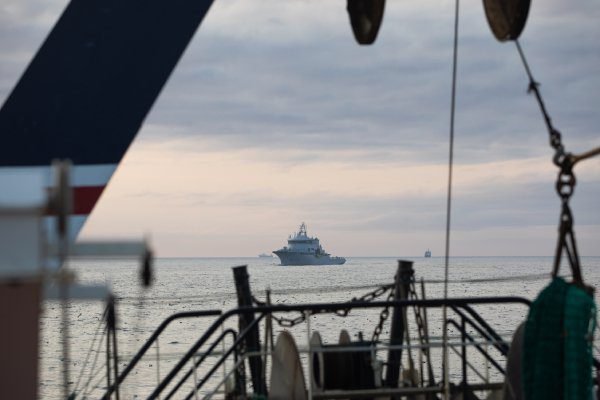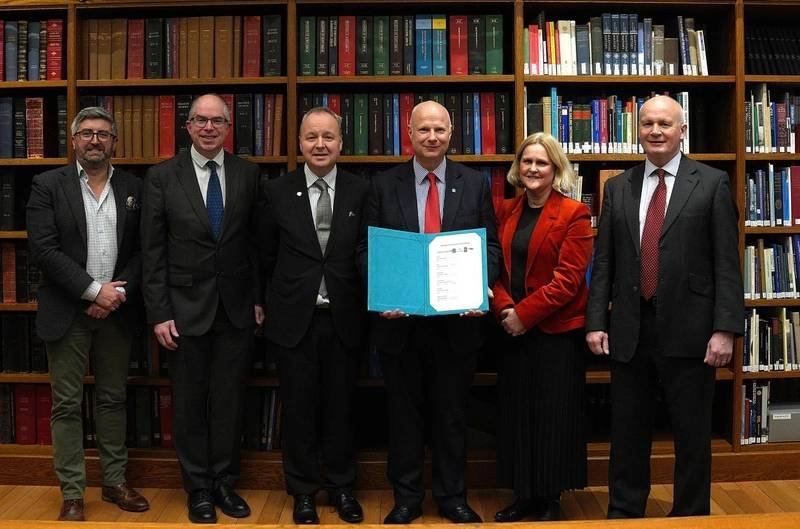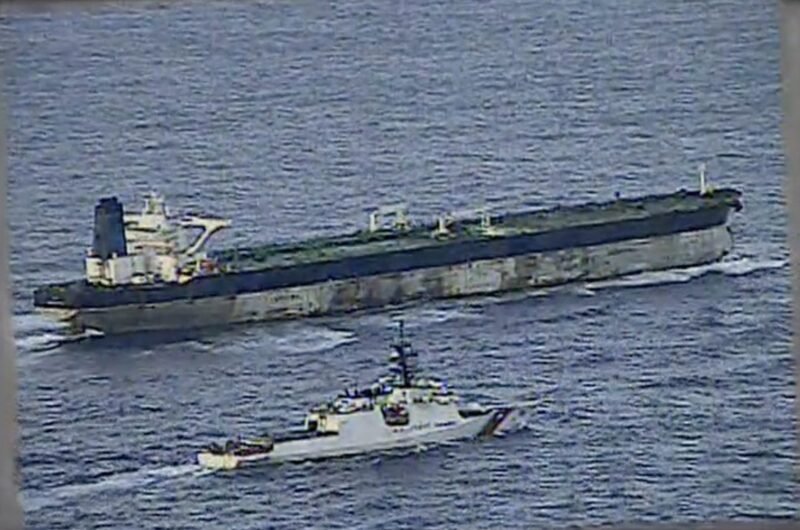
The United Kingdom has intensified its efforts against Russia’s “shadow fleet” by granting military and law enforcement agencies the authority to board vessels suspected of violating sanctions while navigating British waters, including the English Channel. This announcement coincided with Prime Minister Keir Starmer’s attendance at the Joint Expeditionary Force summit in Helsinki and marks a significant escalation in maritime enforcement aimed at restricting Moscow’s energy revenue.
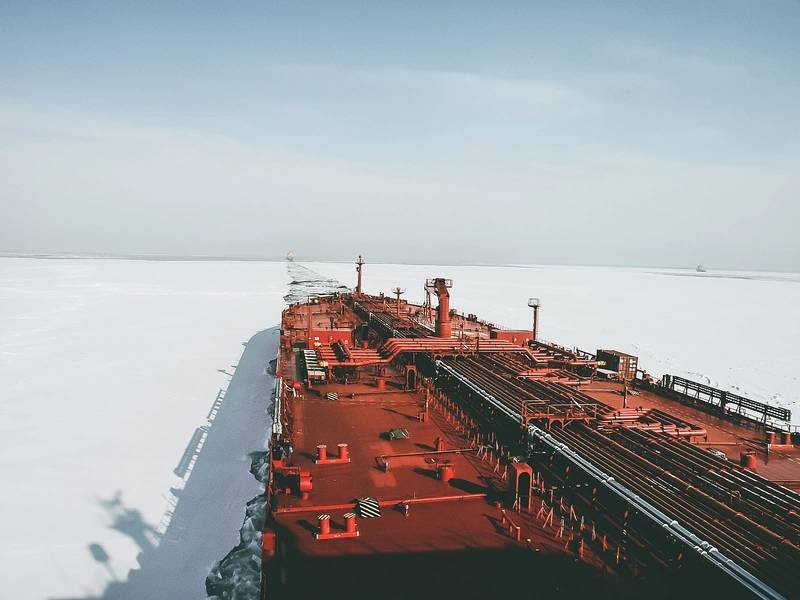
This new policy specifically targets the aging and often obscure tanker networks that allow Russian crude to remain available despite Western sanctions. UK officials estimate that around 75% of Russia’s crude exports are transported by these shadow vessels, many of which evade regulatory scrutiny. The UK has been tracking these ships for years and is now shifting its focus to enforce these measures closer to home.
Under the revised framework, sanctioned vessels can be stopped, boarded, and potentially detained in UK waters. Each operation will be evaluated on legal, operational, and market factors. As the UK adopts more proactive measures, it joins other Joint Expeditionary Force nations like Finland and Estonia, which have already taken similar actions in the Baltic Sea to restrict safe transit routes for these vessels.
The implications are significant, as detaining vessels could lead to criminal proceedings against those involved, increasing the legal and financial risks associated with the trade. This aggressive stance signifies an important shift in Western efforts to disrupt Russia’s maritime oil exports, moving from observation to active intervention.
Share it now