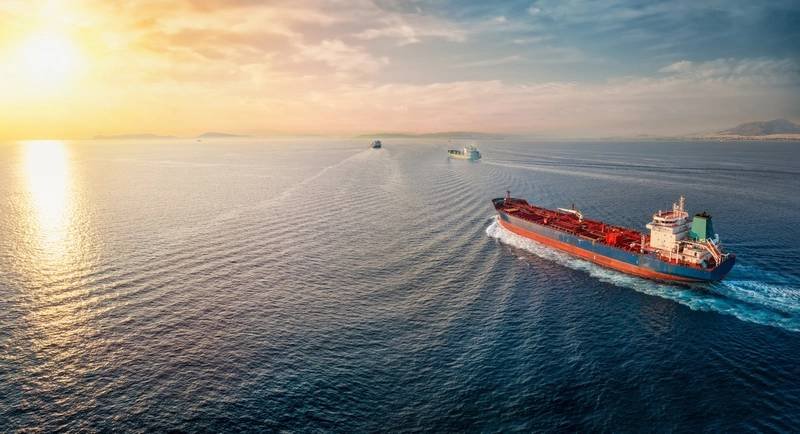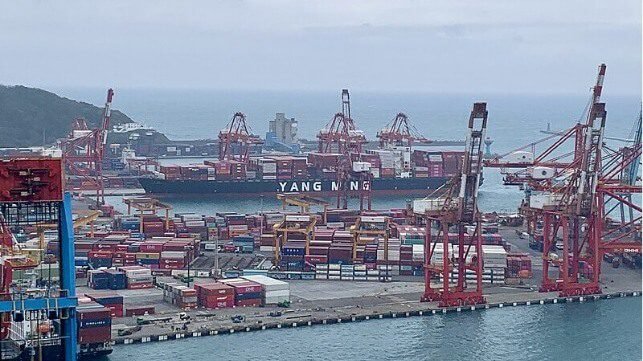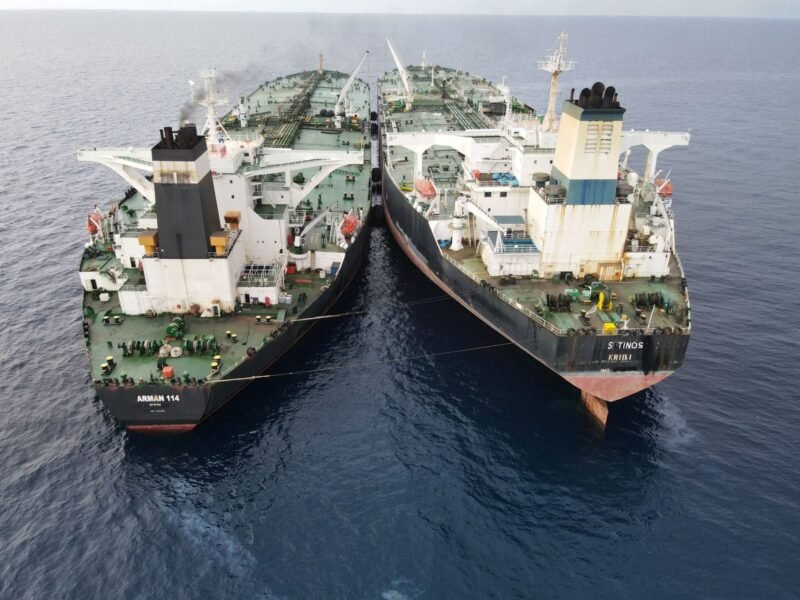
The oil tanker market is facing a significant shortage, prompting newly constructed vessels—typically dedicated to carrying refined fuels on their initial trips—to rush empty to pick up crude oil instead. This year, six supertankers have made their maiden voyages empty from East Asia to load crude in the Middle East, Africa, or the Americas, in stark contrast to only one such journey in 2024.
Traditionally, tanker owners use new ships to transport refined fuels due to their cleanliness and the economic feasibility since many are built in East Asia, which heavily imports unrefined oil and exports refined products. However, the severe shortage of tankers is disrupting this pattern. Increased oil production from both OPEC and non-OPEC countries, coupled with Western sanctions on Russia and dangers in the Red Sea, has led to longer shipping routes and a higher demand for vessels.
As a result, even smaller product tankers are entering the oil trade, and traders are compelled to divide larger cargoes to adapt to the limited availability of bigger vessels, further inflating transport costs. The Baltic Dirty Tanker Index has surged by 50% since late July, illustrating the dramatic shift in the market dynamics.
Georgios Sakellariou, a chartering analyst, noted that the lucrative earnings for Very Large Crude Carriers and Suezmaxes have incentivized quick bookings at current high rates. The Aliakmon I was the first supertanker to embark on this trend, leaving a Chinese shipyard without cargo and later transporting nearly 2 million barrels of oil to South Korea in November.
Share it now