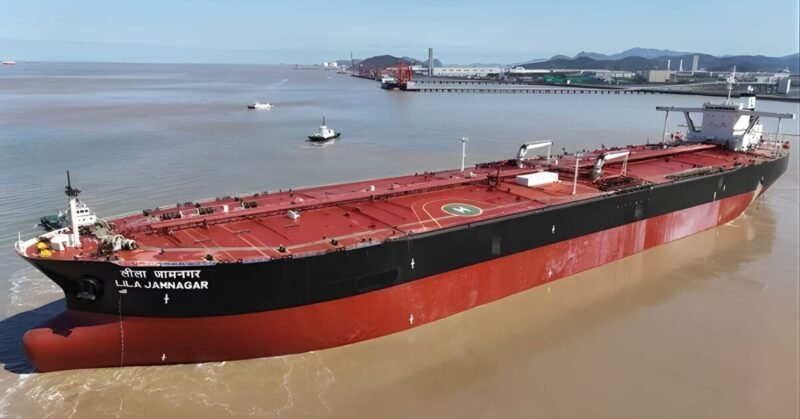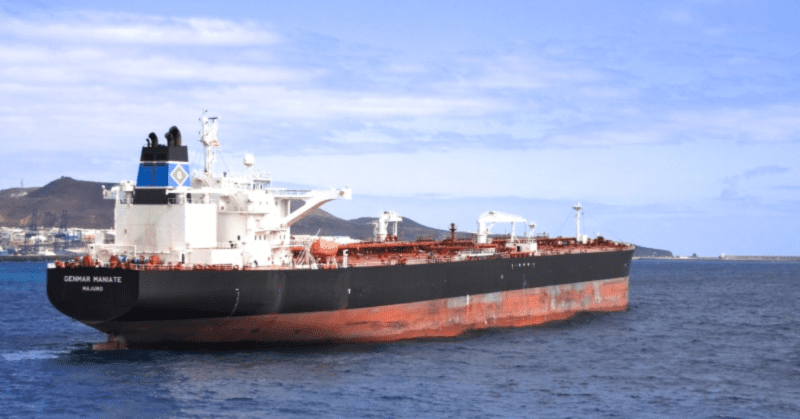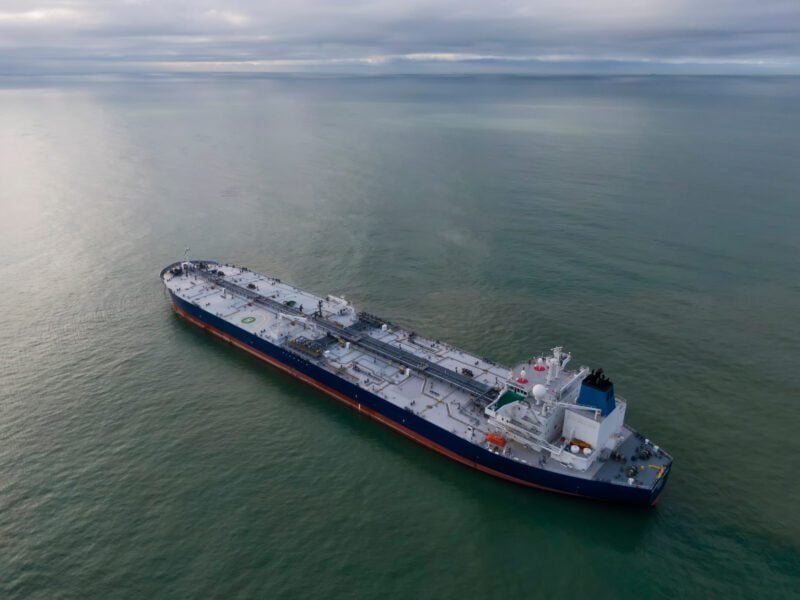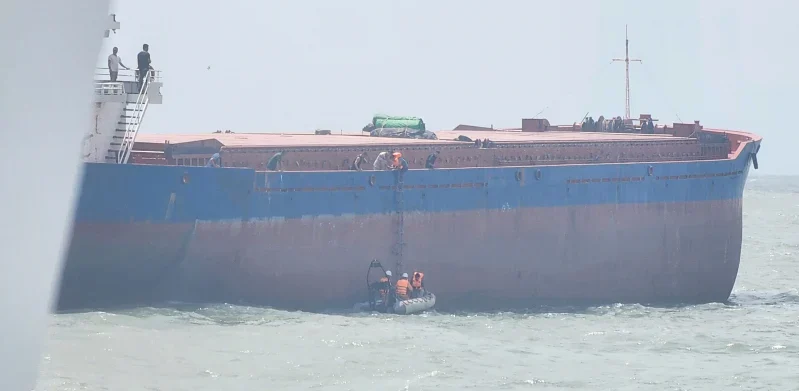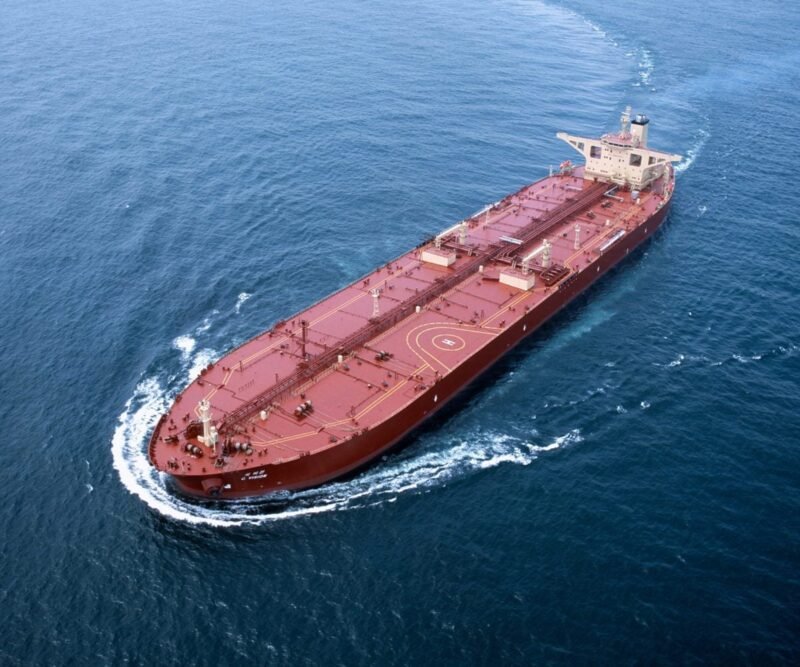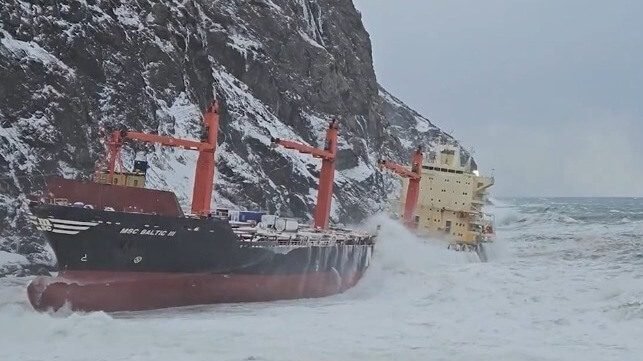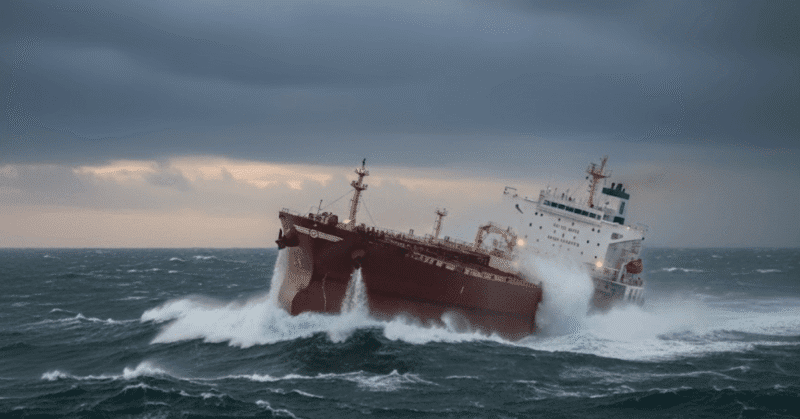
A fully loaded Very Large Crude Carrier (VLCC) experienced significant weather-related damage while navigating through heavy seas near Ile d’Ouessant, France, en route to Rotterdam. Wind speeds exceeded 60 knots, and wave heights reached over 10 meters, causing the vessel to roll heavily and take on substantial amounts of water. This resulted in the loss of critical safety equipment, including liferafts, fire hose boxes, and immersion suits, as well as damage to deck fittings and railings.
The incident’s root cause was a lack of adequate planning. Given the forecasted adverse weather conditions, the crew could have applied additional lashings and relocated certain equipment to prevent loss. Modern technology allows vessel masters to access accurate forecasts, enabling them to make informed decisions to avoid severe weather or time their arrival to evade dangerous conditions.
Despite the challenges, the master effectively mitigated potential structural damage by reducing the vessel’s speed as conditions worsened. Following the incident, a thorough inspection of the deck was conducted, and the damage was promptly reported to management, facilitating timely replacement of lost items and necessary support arrangements for the vessel’s discharge operations.
Key lessons emphasize the importance of daily weather monitoring, adjusting course and speed early to avoid severe conditions, and ensuring that all deck fittings and equipment are secure. While commercial pressures exist, safety must always take precedence, as accidents can have lasting repercussions on individuals and organizations.
Share it now