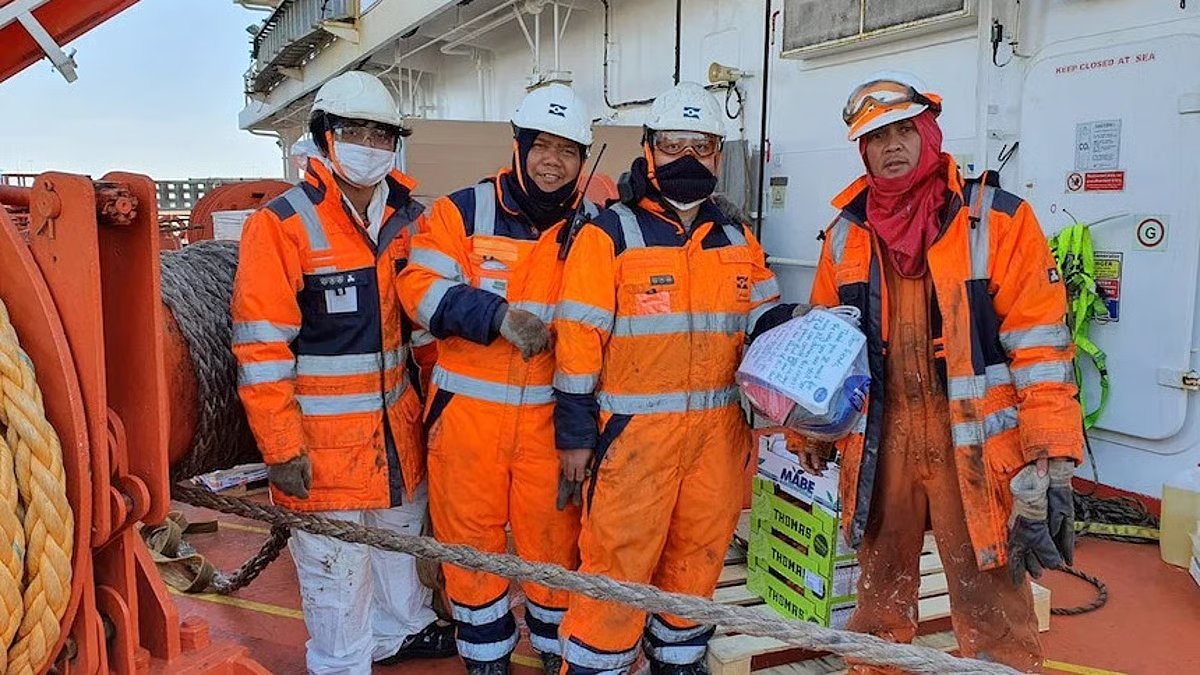
New Zealand has set a precedent by allocating a portion of its port fees specifically for seafarer welfare services during port visits. Paul MacGillivary, a prominent advocate for seafarer welfare and HRAS Global Ambassador in Australia, believes that this model should be adopted by Australia and other nations to align with the Maritime Labour Convention (MLC) requirements. Each year, over 500,000 seafarers dock in Australia, often sacrificing much-needed rest time to enjoy brief shore leave, where they can connect with loved ones, shop, or seek medical care.
While Australian charities are dedicated to supporting seafarers, they face significant funding challenges that hinder their ability to operate effectively. Many organizations are struggling to maintain regular hours and expand initiatives focused on mental health and counselling. For the past four years, MacGillivary has been advocating for a national funding model to ensure that seafarer welfare services are adequately supported. His campaign emphasizes the need to enhance existing maritime levy structures with minimal legislative changes to sustainably finance these services.
To identify existing resources and gaps in seafarer welfare, MacGillivary has developed an online survey targeting Australia’s Mission to Seafarers and other relevant organizations. He highlights funding as a critical issue, advocating for policy changes that would bolster support for these essential services. Human Rights at Sea aims to protect the fundamental labor rights of all individuals at sea, ensuring they have reliable access to welfare facilities near commercial ports globally. MacGillivary asserts that labor rights are universal, applicable both on land and at sea, particularly during port stays.