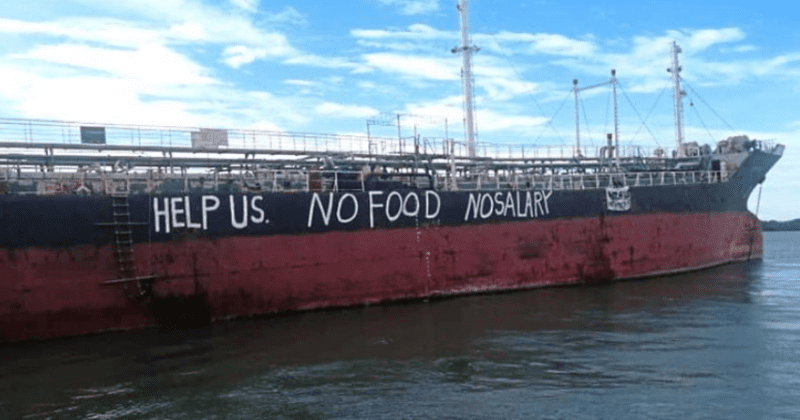
The International Transport Workers’ Federation (ITF) has reported a troubling rise in the abandonment of seafarers by irresponsible shipowners. This issue is expected to worsen unless significant structural changes are made within the maritime industry, as emphasized by the CEO of Seafarers’ Rights International (SRI), Professor Hilton Staniland. He acknowledged that while many shipowners act responsibly and organizations like the International Labour Organisation (ILO) and the International Maritime Organization (IMO) strive for greater transparency, the industry remains unbalanced. Unscrupulous shipowners exploit loopholes, repeatedly abandoning ships and crews due to systemic flaws.
A major concern is the lack of enforceable international requirements linking shipowners to their vessels. Complex corporate structures and ambiguous flags enable owners to evade responsibility, leaving seafarers vulnerable. When abandonment occurs, these workers often rely on outdated Admiralty law principles, such as maritime liens, to address unpaid wages and repatriation costs. Although the Maritime Labour Convention (MLC) aims to provide protections, enforcement is inconsistent, and financial security measures often fail, forcing seafarers into legal predicaments they cannot manage.
Staniland insists that abandonment is not an unavoidable fate but a direct consequence of regulatory shortcomings and weak accountability. He advocates for increased transparency in ship registration and proposes that the intentional abandonment of seafarers be treated as an international crime. These critical issues will be revisited during the IMO Legal Committee meeting in April 2026, raising the question of whether the global community can move beyond mere concern and take decisive action to protect seafarers from being treated as disposable assets.