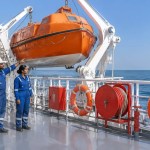
Technology & The Seafarers.
Note: This post was published more than 7 years ago, on 28 December 2018. Some information, rules or references in it may have changed since then and may no longer apply. Some links may no longer open the original page because the source website may have moved or removed it. Readers should check the current information with the relevant official source before relying on it.

INTRODUCTION :
As we know this is technological era and the technologies are constantly updating and taking over the world. The technology is also brining new changes in Maritime Education and Training for better future of maritime industry.
Shipping is traditional industry and the ship operation involves operation of heavy machinery in all kind of weather. To handle the ships efficiently and safely maritime industry need highly qualified seafarers. For that industry has to provide best training to the seafarers. The training, therefore, demands better ways of learning, which can be achieved by deploying the latest technology in training.
Importance of Training in Shipping Industry :
Education and Training plays very important role in every industry. When it comes to safety we must have to provide good training and Education. Shipping is vitally important to global community, the world is depend on shipping industry and this industry is playing key role in sustainable development. The most important part of shipping industry is Seafarers. The industry is completely dependent on seafarers. Seafarers operate the ships that carry the essential cargoes safely and economically.

Shipping, today, is highly technical, demanding considerable skill, knowledge and expertise from those who work in it. On job training may not always provide sufficient knowledge of about all aspects of ship operation. For the safety of seafarers and even of the ships, maritime education and training must be of high and consistent quality throughout the world. They must be skills-based, competence-based, utilize the latest technology.
As per various case studies, around 60% of marine related accidents are caused by human error. These accidents are caused by insufficient technical knowledge on the part of seafarers. To reduce these accidents, maritime industry should provide high quality of education and training to seafarers. They should provide training by adopting latest methods and applying of latest technologies and guide them well. The human element in ship operation is very important, not only for commercial reason but also as the industry moves towards ever higher standards of safety. Without a quality, motivated, trained and skilled labour force to appropriate international standards, shipping cannot thrive. The importance of training and education for the maritime personnel of today and tomorrow is greater than ever before. Effective standards of training are bedrock of safe and secure shipping industry. Maritime Training and Education, therefore, should be of High and Consistent Quality.
Challenges Surrounding The Training of Seafarers :
The challenges surrounding the training of seafarers today is finding a way to continuously update the equipment of the training centers and the instructors as close as possible to the requirement of the ruling body and shipping industry. We have to consider a lot of factors affecting our focus in enhancing the competency and familiarization of the seafarers specifically on the use and the management of new equipment (like electronic navigation, balance water management, control of emission and preparation for the polar code), while at the same time taking in consideration the workload that the seafarers have onboard nowadays, and the period of rest in combination with the time that’s needed to be dedicated on the training.
How Technology is changing Marine Education and Training :
Education and Training is very important to develop the career. Without learning there can be no growth. There are many challenges associating with developing skills and knowledge particularly when struggling to balance an expanding workload. Seafarers often feel pressured to leave their jobs at sea earlier then planned in order to try and move up the career ladder.
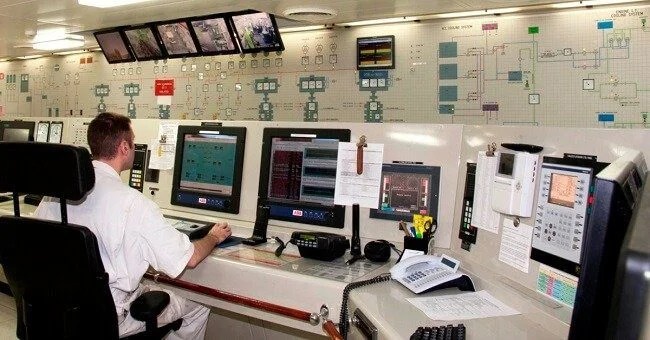
Some of the marine training initiatives are devising new blended distance e-learning solutions to address this issue. This technology allows seafarers to stay at sea longer and continue to develop the skills they need to make the next career step and remain in the maritime profession. There are six ways of technological solutions and blended learning models are improving maritime education.
With the help of E-learning seafarers can learn new technology from anywhere at any time. This makes seafarers more friendly towards the new technology. There has never been a more important time to invest in training and professional development, and introduction of E-learning will provide a better and effective method of learning complex technology of future ships.
Digital Training in Maritime Industry :

Digitalisation describes the transformation of process and model due to digital changes. Digitalisation is growing day by day. The increasing use of digital elements on ships allows for machines to interact and to act more independently. Nowadays, industry is launching automated ships. The building of such vessels is going to be the revolution in shipping during the next 10 years.

The automated ships have interesting advantages which are related with a reduction in the weight of constants allowing room for more cargo intake as well as a reduction in fuel consumption. To handle such kind of ships, industry should provide Digital Training to the seafarers. Industry should arrange awareness programs in maritime institutes, colleges and even onboard. The digitalisation requires new and different technical skills which is not going to be about driving the ships, it’s going to be about controlling the system, for that industry should provide personalised training and education with modern equipment to the seafarers.
9 Experts Discuss the Skills Seafarers Need in the Future :
Conclusion :
Technology and globalisation are driving the greatest changes in the maritime industry. Maritime education and training is an important agent in ensuring the growth and sustainability of maritime industry.
Technology may advance, but the world will still need skilled manpower to man these ships for trade and transport. Disruptive technologies are entering ships, ports and maritime organisations, and they are bringing new life into a well-established industry, so that the importance of seafarer training are rising. Technology is making human more and more smarter. Future seafarers will need to be highly computer literate, with strong analytical skills and well-tuned critical thinking and problem-solving abilities. But proper training of Technology should be provided for better future of the industry. Maritime education institutions need to be agile and nimble in an age of accelerating technological advance. Maritime courses must be kept relevant and colleges should be proactive rather than reactive in dealing with change.
References :
– https://www.ukessays.com/essays/education/the-importance-of-shipboard-training-education-essay.php
– https://safety4sea.com/training-for-seafarers-needs-to-change-philosophy/
– https://www.youtube.com/watch?v=KwsvCno3s2k
Read also: Autonomous Shipping
Disclaimer: This article is for general information and guidance only, and some of the information may now be out of date. Any information about rules and regulations (for example from the IMO, ILO, flag states, DG Shipping/DGMA or other maritime authorities) should be checked on the official website of the authority concerned for its current applicability before making any decision. CrewMirror and its owners and operators will not be responsible for any loss or damage caused by the use of information published on CrewMirror pages and posts.