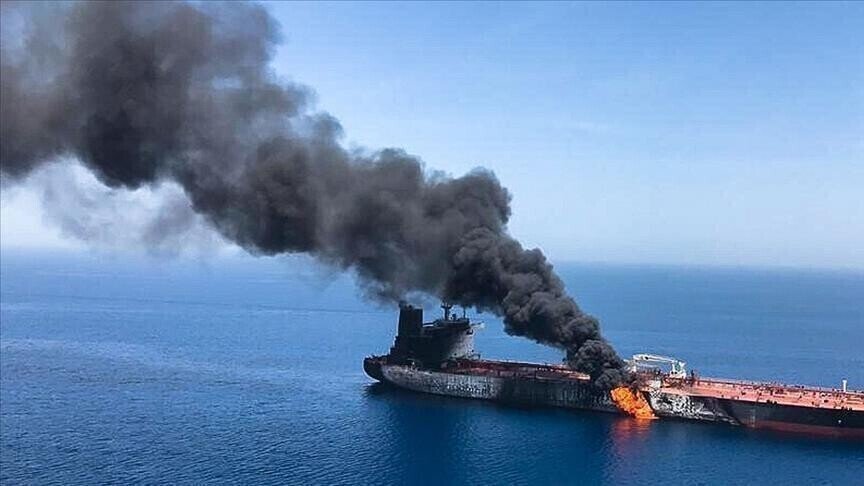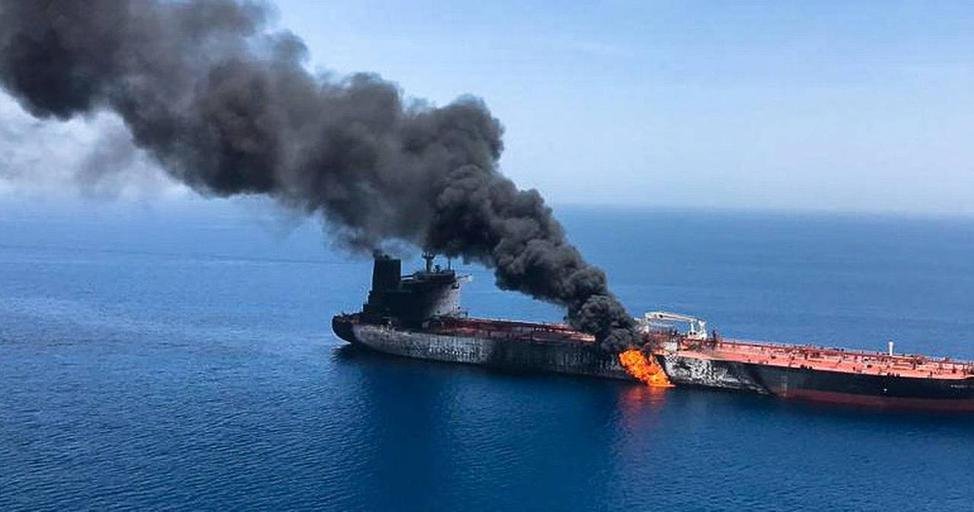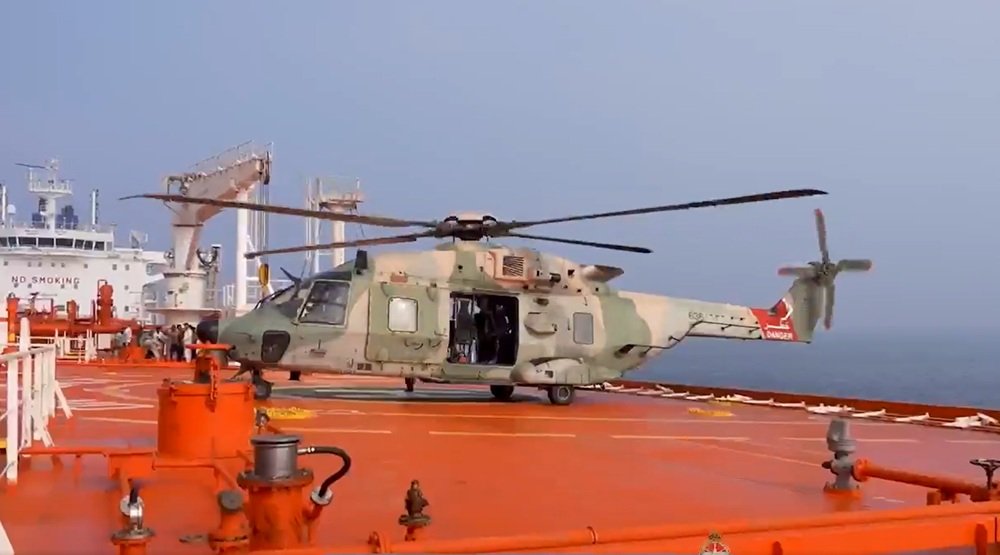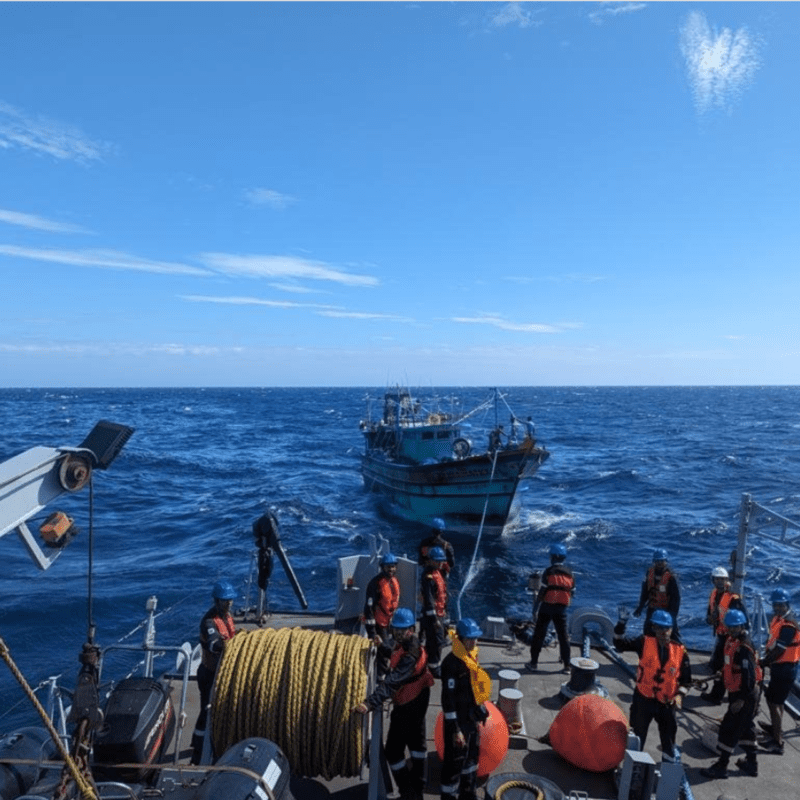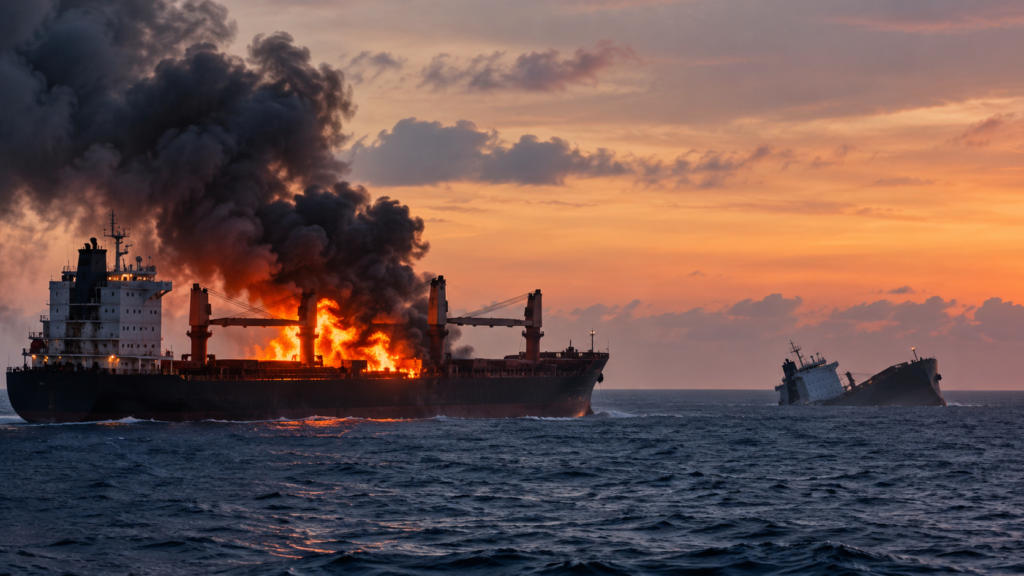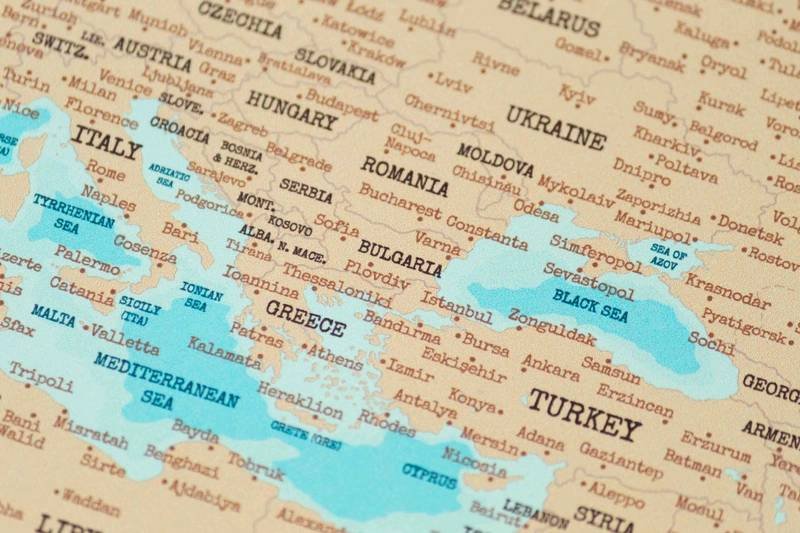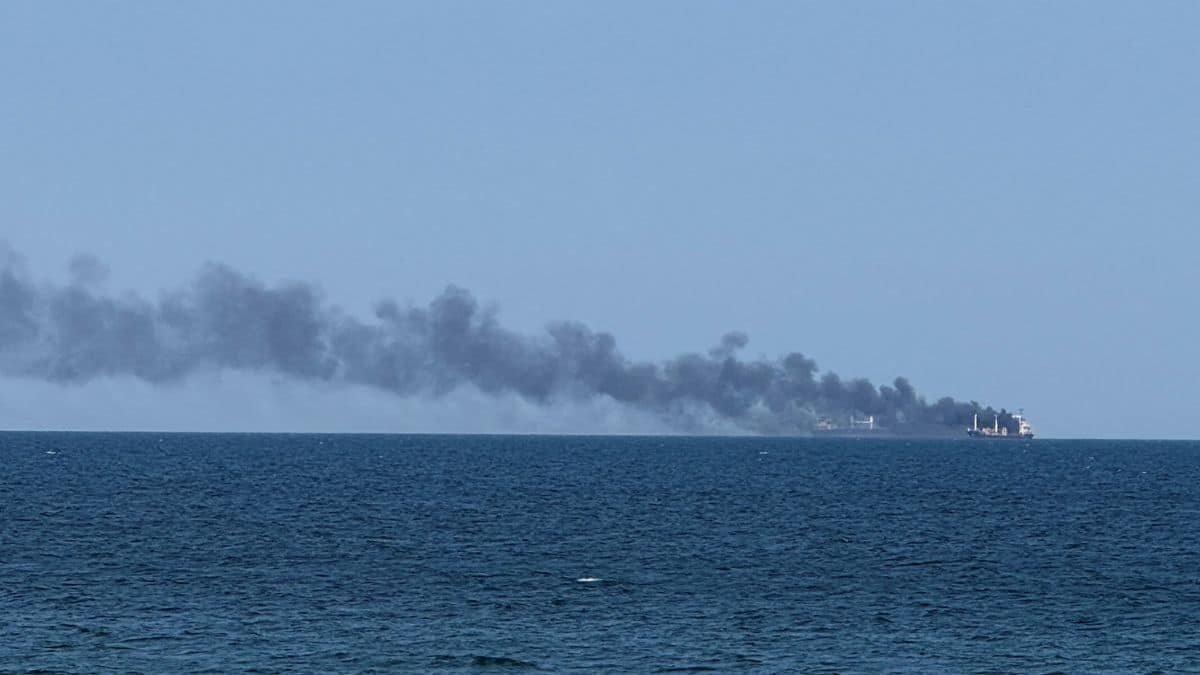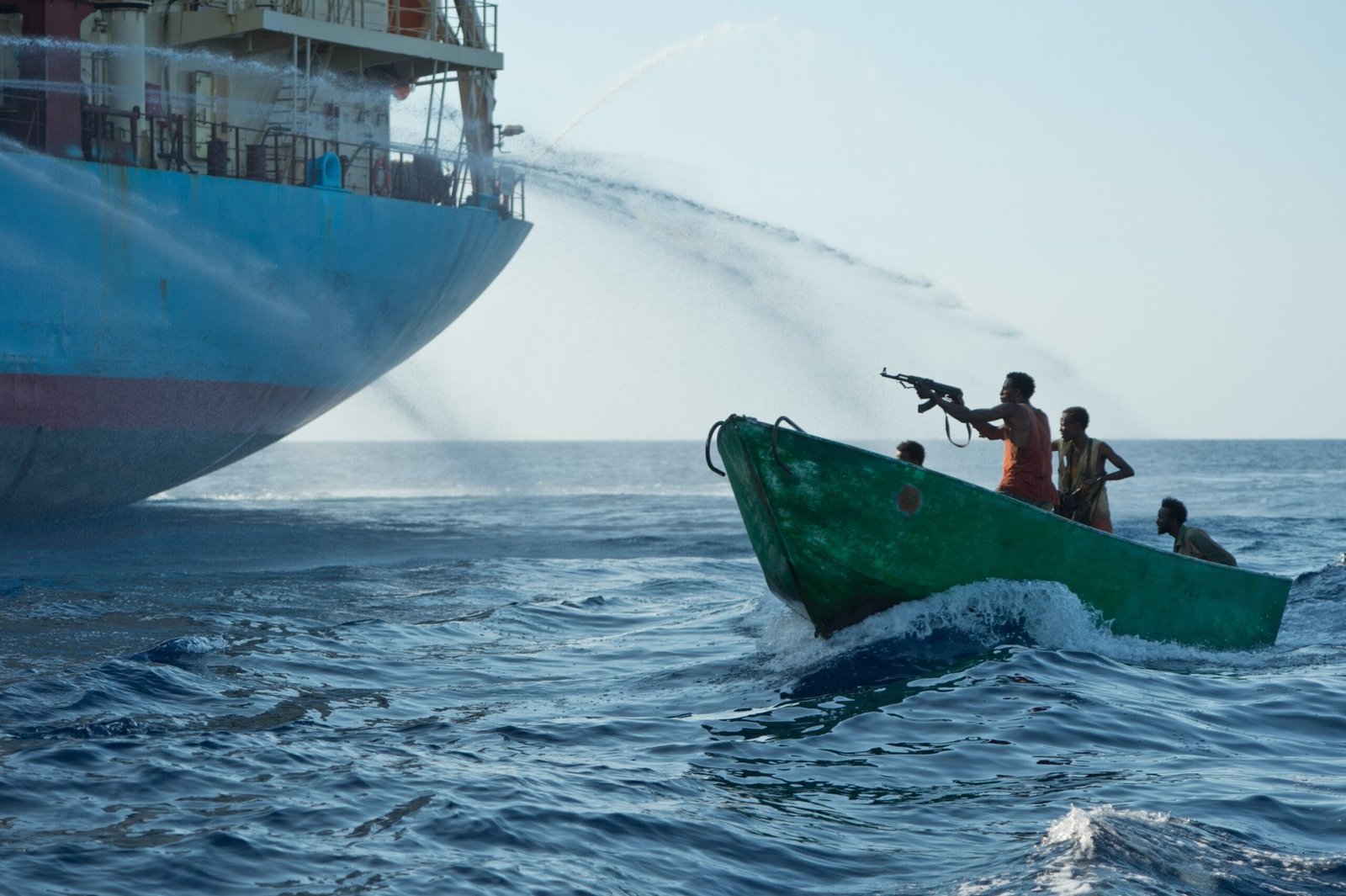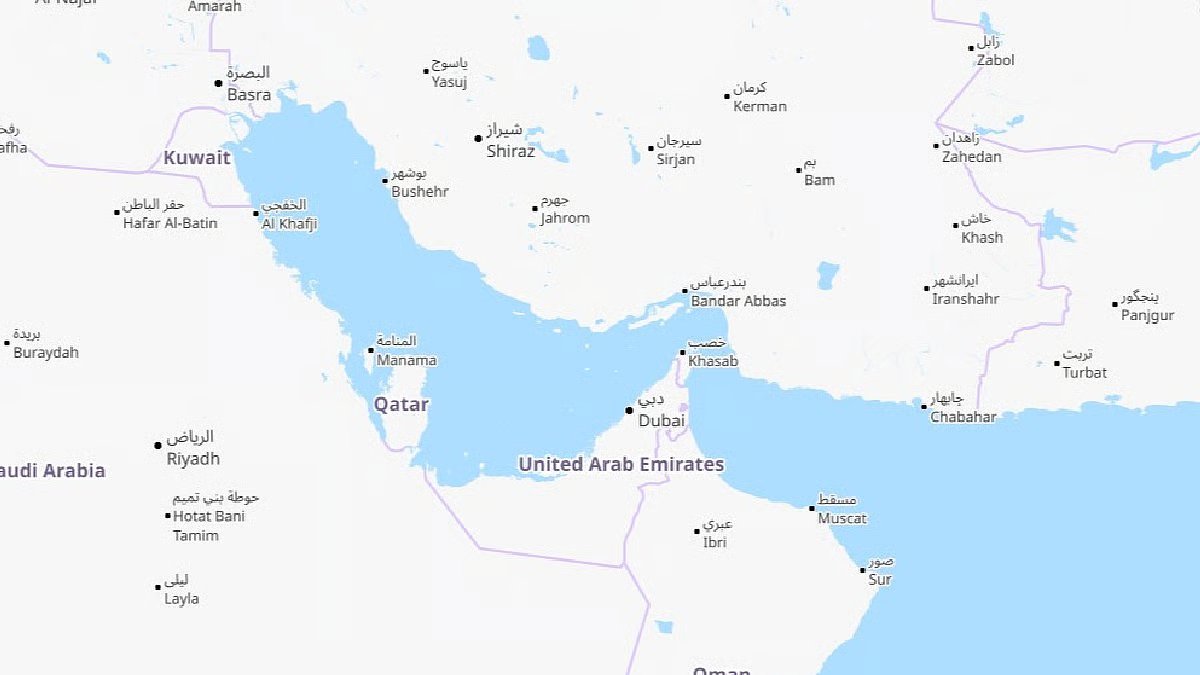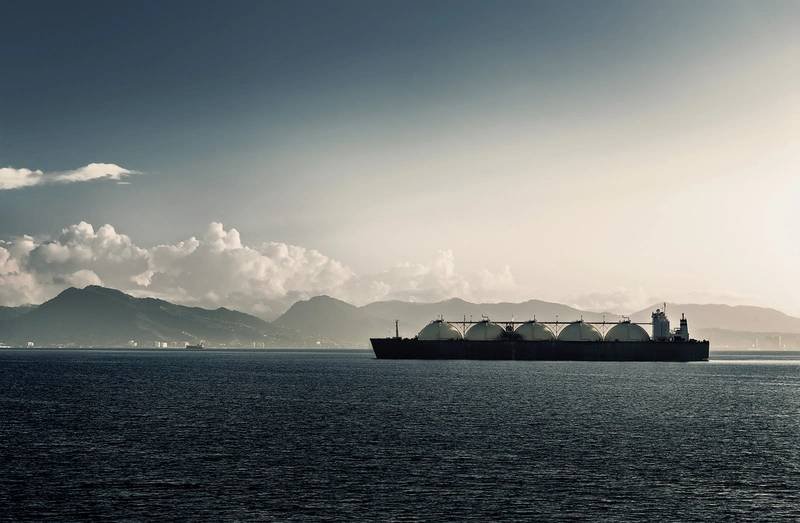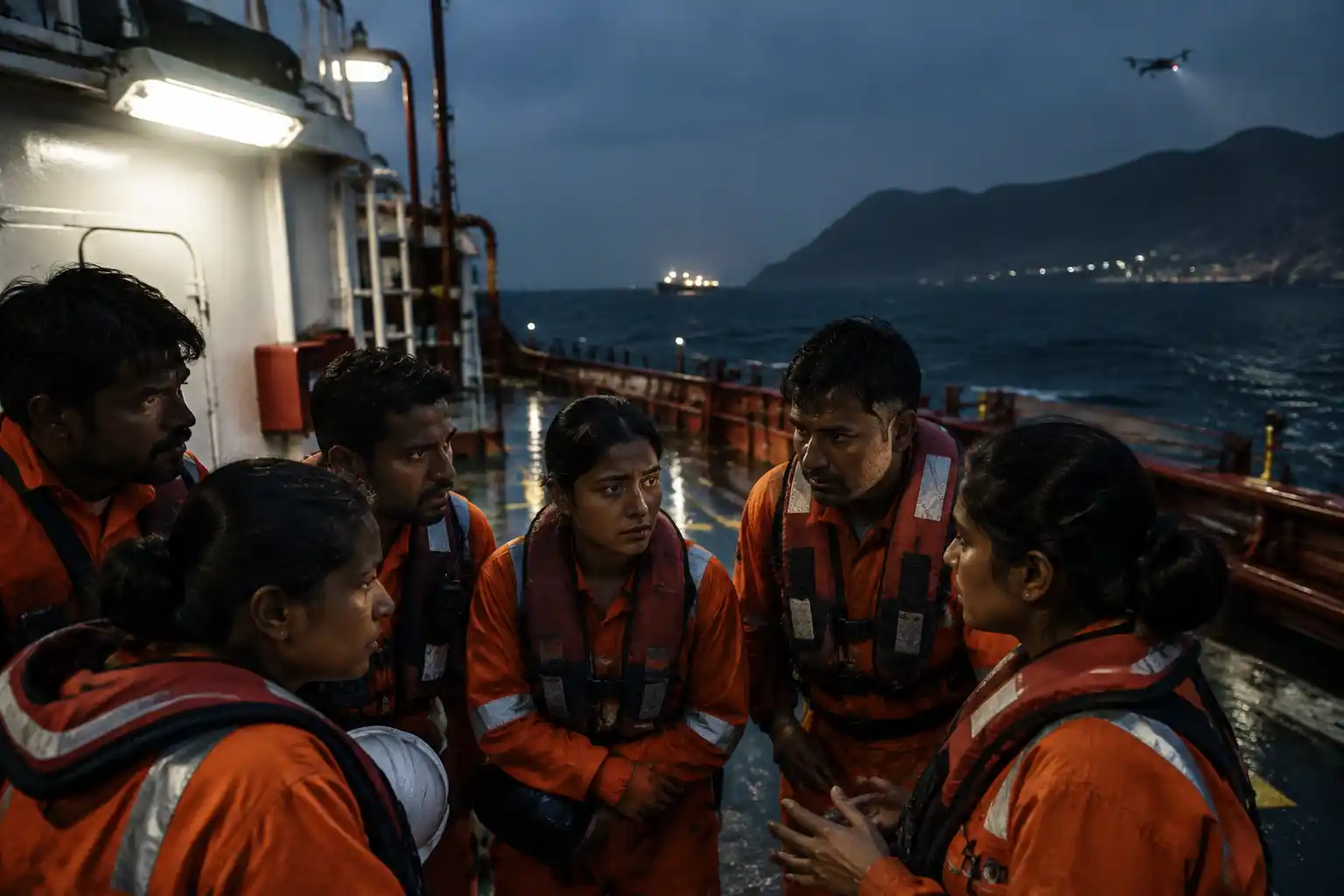
Over the past few days, a tanker was struck by a projectile in the Strait of Hormuz, a drone hit the crude carrier MT GEM NO. 2 with 22 Indian crew at Sharjah anchorage, and ships off Ras Al Khaimah were told over VHF to leave their anchorages. In the Black Sea, the Alfa Watan sank with ten crew still missing. India’s Shipping Secretary has said 11 Indian seafarers have lost their lives in the West Asia conflict, and around 4,200 Indian seafarers have been brought home from the Hormuz region.


For the men and women on board, the question is not geopolitics. It is simple: Do I have to go there? What do I get if I do? And what happens to my family if something goes wrong?
This guide explains war zone rights for seafarers in plain language: what you are entitled to when your ship is ordered into a conflict area. It starts with the rules that apply specifically to Indian seafarers, then covers the IBF agreements that protect crews on thousands of ships worldwide, and the Maritime Labour Convention (MLC) for ships outside those agreements.
For Indian seafarers: what DGMA requires today
India supplies over three lakh seafarers to the world fleet, and Indian crews have been among the worst affected in the Gulf this year. The Directorate General of Maritime Administration (DGMA, formerly the Directorate General of Shipping) has issued a series of advisories as the situation has changed. Knowing which one is in force matters.
How the rules have changed in 2026:
- 13 June (DGS Circular 31): After attacks on MT Marivex, MT Settebello and MV Jalveer, companies were told to restrict deployment of Indian seafarers to conflict areas.
- 26 June (DGS Circular 33): Replaced the earlier advisories and clarified that Indian seafarers could be deployed in and out of the Persian Gulf, provided security protocols were followed.
- 15 July (DGMA Circular 36): After two more Indian deaths, companies were directed to avoid deploying Indian seafarers on any voyage through the Strait of Hormuz until further orders.
- 5 August (DGMA Circular 47): The current advisory at the time of writing. It replaced Circular 36 and allows Hormuz voyages again, but only under two conditions.
The two conditions under Circular 47. Shipowners, ship managers and RPSL agencies engaging Indian seafarers on ships that intend to transit the Strait of Hormuz must:
- Keep the DG Communication Centre informed of the transit, and
- Obtain the consent of each individual Indian seafarer for the voyage.

What this means for you in practice:
- Your consent is required. No company can lawfully send an Indian seafarer through Hormuz without asking you first. Consent should be individual, not a blanket signature collected from the whole crew.
- Ask for it in writing. If you agree, make sure the consent form names the ship, the voyage and the date. If you do not agree, say so in writing and keep a copy.
- Refusing consent should not cost you your job. If your RPSL agency or company threatens you, blacklists you or withholds wages because you declined, report it to DGMA. RPSL agencies are licensed by DGMA and are accountable to it.
- If you are already on a ship inside the Gulf, check that the company has informed the DG Communication Centre, and keep the emergency numbers below at hand.
Masters operating in the Persian Gulf, the Strait of Hormuz and adjoining waters must also maintain heightened security vigilance, monitor navigational warnings and security advisories, and follow their Ship Security Plan under the ISPS Code.
Emergency contacts listed in Circular 47:
- DG Communication Centre: dgcommcentre-dgs@nic.in | WhatsApp/Call: +91 86575 49760 | Alternate: +91 22 22613606, +91 86575 49752
- IFC-IOR (Indian Navy Information Fusion Centre – Indian Ocean Region): ifc-ior.gurugram@navy.gov.in | +91 124 2208385
Save these on your phone before you sail and share them with your family. DGMA has also repeatedly asked seafarers not to circulate unverified videos and social media posts during incidents, because fake news causes panic among families and can hamper rescue efforts.
Don’t forget your other protections. If you serve on an IBF-covered ship, the DGMA consent rule is in addition to your IBF rights explained below, not a replacement for them. Indian unions affiliated to the ITF can help you check what your agreement provides.
First, check what covers your ship
Your rights depend on the documents you signed and the agreement that applies to your vessel. Before anything else, find out:
- Is your ship covered by an IBF agreement? The International Bargaining Forum (IBF) brings together the International Transport Workers’ Federation (ITF) and shipowners’ Joint Negotiating Group (JNG). Around 15,000 vessels worldwide are covered. Look for an ITF Blue Certificate on board, or ask your union or manning agent.
- What does your Seafarer Employment Agreement (SEA) say? Many SEAs and national collective agreements have their own war-zone clauses.
- Which flag does the ship fly? Some flag states issue their own war-zone guidance and repatriation rules.
How war zones are designated
The IBF’s Warlike Operations Area Committee (WOAC) reviews dangerous regions and places them in one of three main categories:
- Warlike Operations Area (WOA): the highest level, where there is a real risk to life from hostilities.
- High Risk Area (HRA): serious danger, one step below a WOA.
- Extended Risk Zone (ERZ): a buffer zone where benefits are paid only on days the ship is actually attacked.
These lists change, sometimes week to week. The Strait of Hormuz, Gulf of Oman and Persian Gulf were made an HRA on 2 March 2026 and upgraded to a WOA on 5 March 2026. The committee has been reviewing that designation weekly since.
According to the ITF’s published list of designated risk areas (as of 11 May 2026), the designated areas include:
Warlike Operations Areas
- The Persian Gulf, Strait of Hormuz and Gulf of Oman (west of the line defined from Ra’s al Hadd towards the Pakistan border), including all ports, terminals, anchorages and inland waterways.
- The Yemeni coast out to 12 nautical miles, including all ports and anchorages.
- The southern Red Sea, Bab el-Mandeb and the Gulf of Aden, including the coasts of Djibouti and Somalia.
- The Sea of Azov and Kerch Strait.
- The northern Black Sea region and all Ukrainian ports.
High Risk Area
- The wider Black Sea, south of the northern WOA line.
Extended Risk Zones
- Parts of the Gulf of Oman.
- The coast of Israel and Lebanon out to 12 nautical miles, with special rules for ships alongside in Israeli Mediterranean and Lebanese ports.
Important: Always check the latest ITF/IBF list before you sail. Designations are added, upgraded, extended or lifted at short notice. Your union, the ITF website or your company’s DPA can confirm what applies today.


Your right to refuse to sail
On an IBF-covered ship, if the vessel is going to enter a Warlike Operations Area or High Risk Area, you have the right to refuse to sail into it. If you refuse:
- You must be repatriated at the company’s cost.
- You keep all benefits accrued up to your port of engagement.
- You are paid compensation equal to two months’ basic wage.
Refusing is not a disciplinary offence. It should not be recorded against you, and it should not stop you from being employed again. If anyone threatens your future employment for using this right, contact your union or an ITF inspector immediately.
How to use the right properly:
- Ask the Master or company, in writing, about the planned voyage and whether it enters a designated area.
- If you decide not to go, inform the Master in writing (an email or a signed letter is fine) before the ship enters the area. Keep a copy.
- Ask for written confirmation of your repatriation arrangements and the date you will sign off.
- Inform your union and your manning agent, and for Indian seafarers, the DG Communication Centre if you face any difficulty.
Timing matters. The right is to refuse passage into the area. Once the ship is inside, the practical options become much harder, so raise your concerns as soon as the voyage orders are known.
Extra pay inside the zone
If you choose to sail, IBF agreements entitle you to extra money for the danger:
- In a Warlike Operations Area: a bonus equal to 100% of your basic wage, payable for a minimum of five days on entry, plus every further day you remain in the area.
- In a High Risk Area: a bonus equal to 100% of your basic wage for each day of stay or transit.
- In an Extended Risk Zone: a bonus of 100% of basic wage only for a day the vessel is attacked. The attack must be entered in the ship’s logbook and reported to the recognised reporting authorities, such as UKMTO. The bonus cannot exceed the number of days spent in the zone.
This is why news reports call it “double pay”. Check the bonus appears on your wage slip, and keep your own note of when the ship entered and left the area in case of a dispute.
Doubled compensation for death and injury
In both WOAs and HRAs, compensation for death and disability is doubled for incidents in the area. In ERZs and the Level 2 ports, doubled compensation applies to injury or death on an attack day.
Standard insurance often treats war risks separately, so it is reasonable to ask your company to confirm that crew death and injury liabilities are covered for the voyage. This is also the protection your family relies on if the worst happens. Make sure:
- Your next-of-kin details with the company and manning agent are correct and up to date.
- Your family knows the name of the company, the ship, the manning agent and your union, and where a copy of your contract is kept.
- You know which P&I club covers the vessel, since claims for death and injury usually go through it.
Security on board and what to do if attacked
Designation also places duties on the shipowner. For WOAs and HRAs, the IBF list requires ISPS Level 3 security measures, which may involve extra personnel or systems depending on the ship’s type, size, freeboard and speed. In ERZs, measures must go beyond the latest Best Management Practices (BMP5).
As a crew member, you are entitled to a clear briefing on the company’s risk assessment and Ship Security Plan, citadel or muster drills, and up-to-date UKMTO and naval security advisories.
If the ship is attacked: follow the Master’s orders and go to the citadel or muster point. Once it is safe, the ship should report the incident to UKMTO and the company. Indian crews or ships should also inform the DG Communication Centre and IFC-IOR. Report every injury, however minor, to the Master so it is logged. Medical records and log entries are what later support compensation claims.

If any of these safeguards are missing, raise it with the Master and the Company Security Officer, and put it in writing.
If your ship is not IBF-covered
Many ships are not under IBF agreements. You still have protections, though they may be weaker:
- Your SEA and any national CBA may define war zones and set their own bonus and refusal rights. Read the clause carefully before signing on.
- The Maritime Labour Convention, 2006 guarantees repatriation in defined situations. Its guidance lists a ship being bound for a war zone, to which the seafarer does not consent to go, as one of the circumstances where a seafarer should be entitled to repatriation. How this applies depends on the flag state’s law and your SEA.
- Your flag state may issue its own advisory. For example, the UK requires owners to agree new or extended employment agreements where seafarers on UK-flagged vessels request it.
A quick checklist before you sail into a risk area
- Indian seafarers: confirm the company has informed the DG Communication Centre, and give or refuse your Hormuz consent in writing.
- Confirm whether your ship is IBF-covered, and which designation applies to the route.
- If you want to refuse, do it in writing, before the ship enters the area.
- If you sail, make sure the war-zone bonus is recorded on your wage slip.
- Update your next-of-kin details with the company and manning agent.
- Save the DG Comm Centre, IFC-IOR, your union and your company’s emergency numbers.
- Look after your mind as well as your body. Free, confidential 24-hour support is available from ISWAN’s SeafarerHelp.
The bottom line on war zone rights for seafarers
No wage is worth a life. The war-zone rules exist because seafarers have been injured and killed doing their jobs in waters they did not choose. For Indian seafarers, DGMA now requires that you be asked before your ship goes through Hormuz. If you are on an IBF-covered ship, you also have a firm right to say no and, if you say yes, to be paid and protected properly.
Knowing your war zone rights as a seafarer starts before you sign on. Check the latest designations before every voyage, put everything in writing, and contact your union, an ITF inspector or the DG Communication Centre if your rights are not respected.
This article is for general information only and is not legal advice. War-zone designations and government advisories change frequently; always confirm the latest position with DGMA, the ITF/IBF, your union and your flag state before you sail.
This article was prepared with the help of internet search and AI assistance tools.
Sources
- DGMA Circular 47 of 2026 (5 August 2026), Directorate General of Maritime Administration
- DGS Circular 31 of 2026 (13 June 2026), Directorate General of Shipping
- DGS Circular 33 of 2026 (26 June 2026), Directorate General of Shipping
- India directs shipping firms to stop deploying seafarers through Strait of Hormuz (DGMA Circular 36), Gulf News
- ITF list of designated risk areas with applicable benefits (as of 11 May 2026)
- Joint ITF–JNG statement: Designation of Warlike Operations Area in the Strait of Hormuz (5 March 2026)
- Joint ITF–JNG statement: Warlike Operations Area in Strait of Hormuz continues under weekly review (30 June 2026)
- Shipping employers and unions still consider Hormuz a war zone, AFP via Ahram Online (1 July 2026)
- MIN 732 (M+F) Amendment 3: guidance for seafarers affected by the conflict in the Middle East, UK Government
- West Asia Conflict Claims Lives of 11 Indian Mariners, CrewMirror
- Syria Calls on IMO and Bulgaria for Probe into Vessel Sinking, CrewMirror
- India Denounces Attack on MT On Peace in Hormuz Strait, CrewMirror
- LR2 Tanker Attacked in Hormuz, 11 Indian Seafarers Injured, CrewMirror