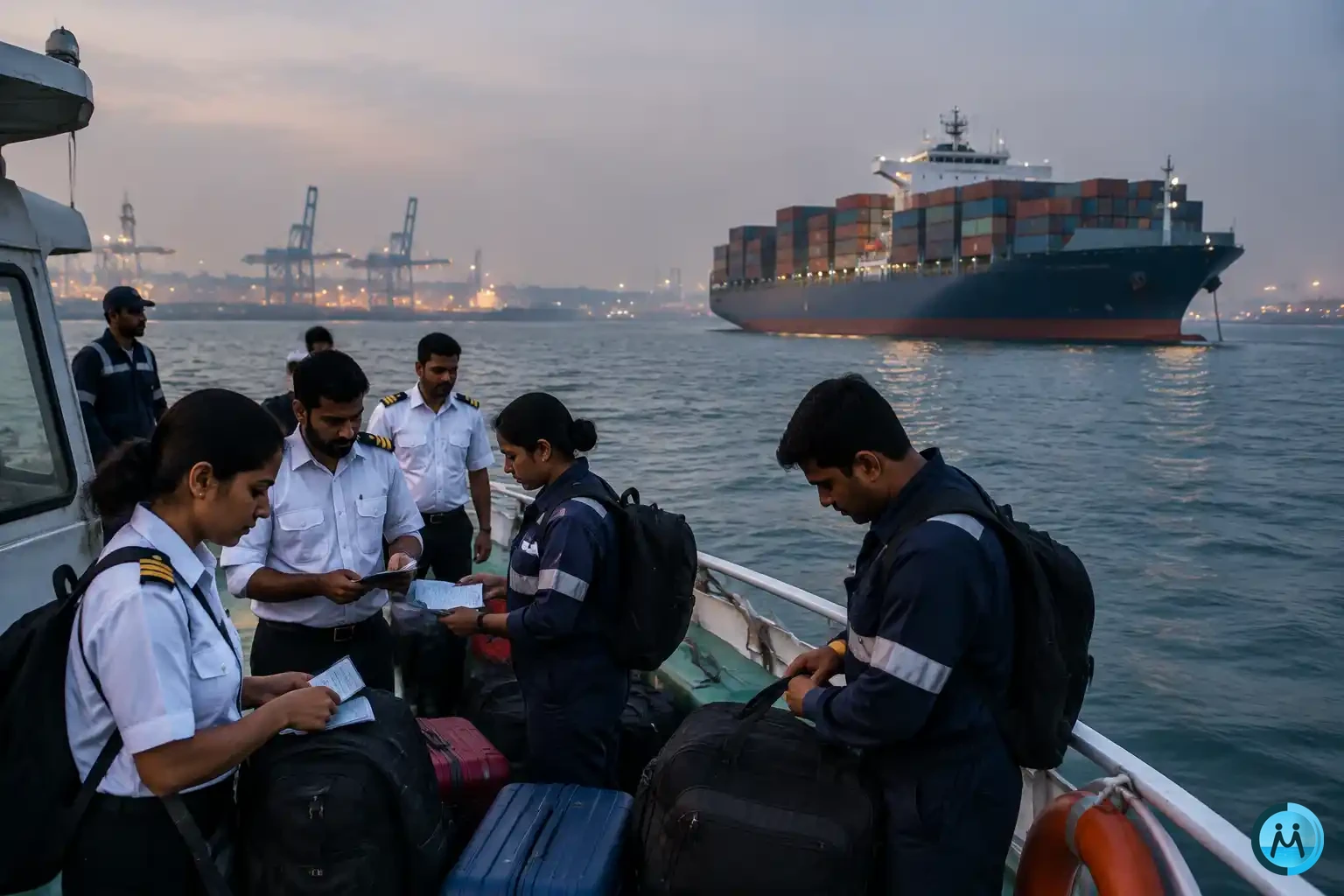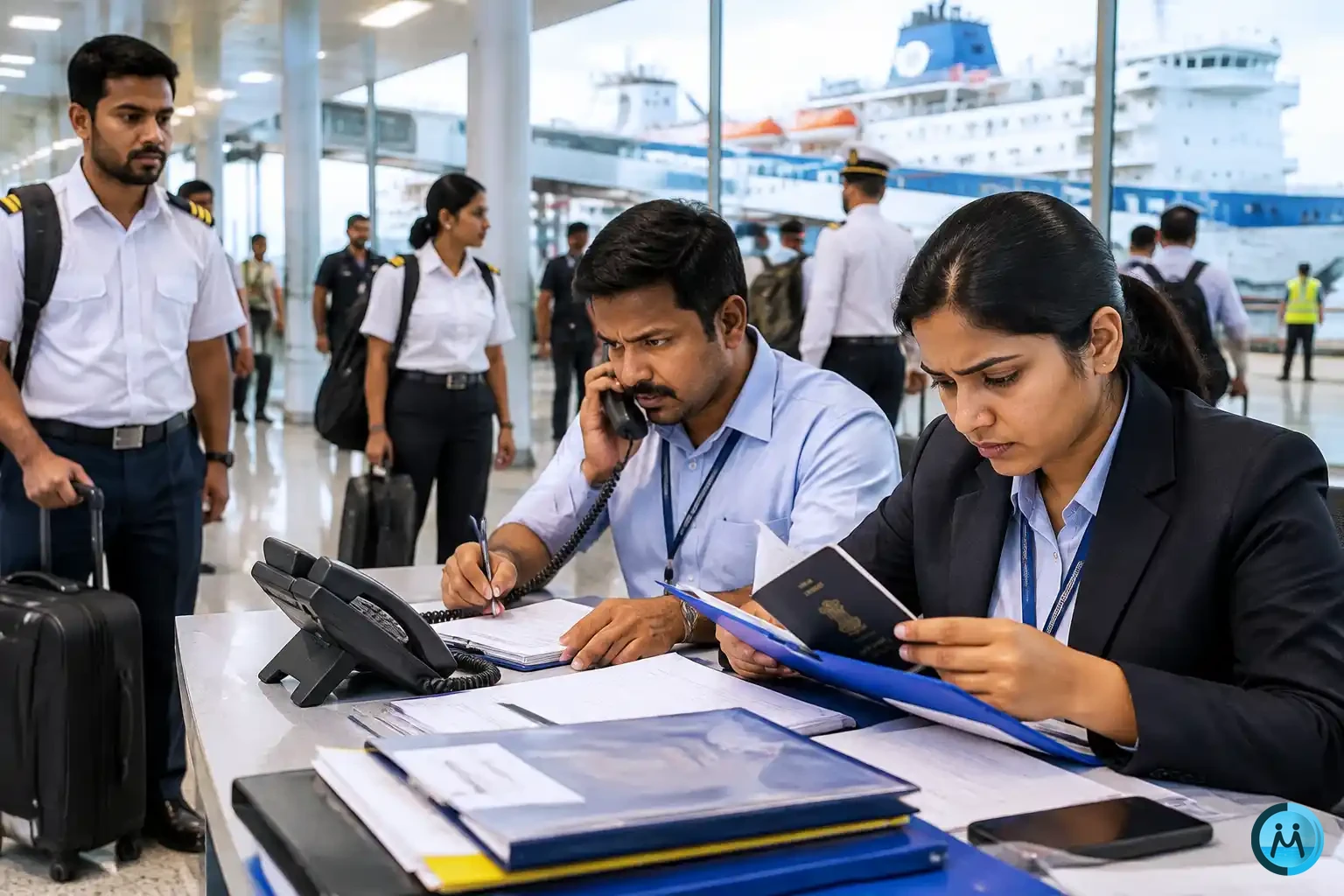
Crew change management has become one of the hardest jobs in an Indian manning office in 2026. Seafarers are refusing certain trades, officers are scarce, flights and visas are uncertain, and every delayed relief now carries a cost in money, morale and reputation. For Recruitment and Placement Service Licence (RPSL) holders and ship managers in Mumbai, Chennai, Kolkata, Kochi and Delhi, the old approach of “find someone by phone at the last minute” is no longer enough.
In our earlier guide on crew change problems for seafarers, we looked at the issue from the ship. This article looks at the same problem from the shore side: what Indian manning companies can do today to plan reliefs better, find the right people faster and stop wasting time on candidates who are not available.
Table of Contents

Why Crew Change Management Is Harder for Indian Manning Companies in 2026
India is the world’s third-largest supplier of seafarers, with more than 300,000 sailors on global fleets according to government data. That scale is a strength, but it also means Indian offices feel every global shock first. Four pressures stand out this year.
1. Deployment Restrictions and High-Risk Trades
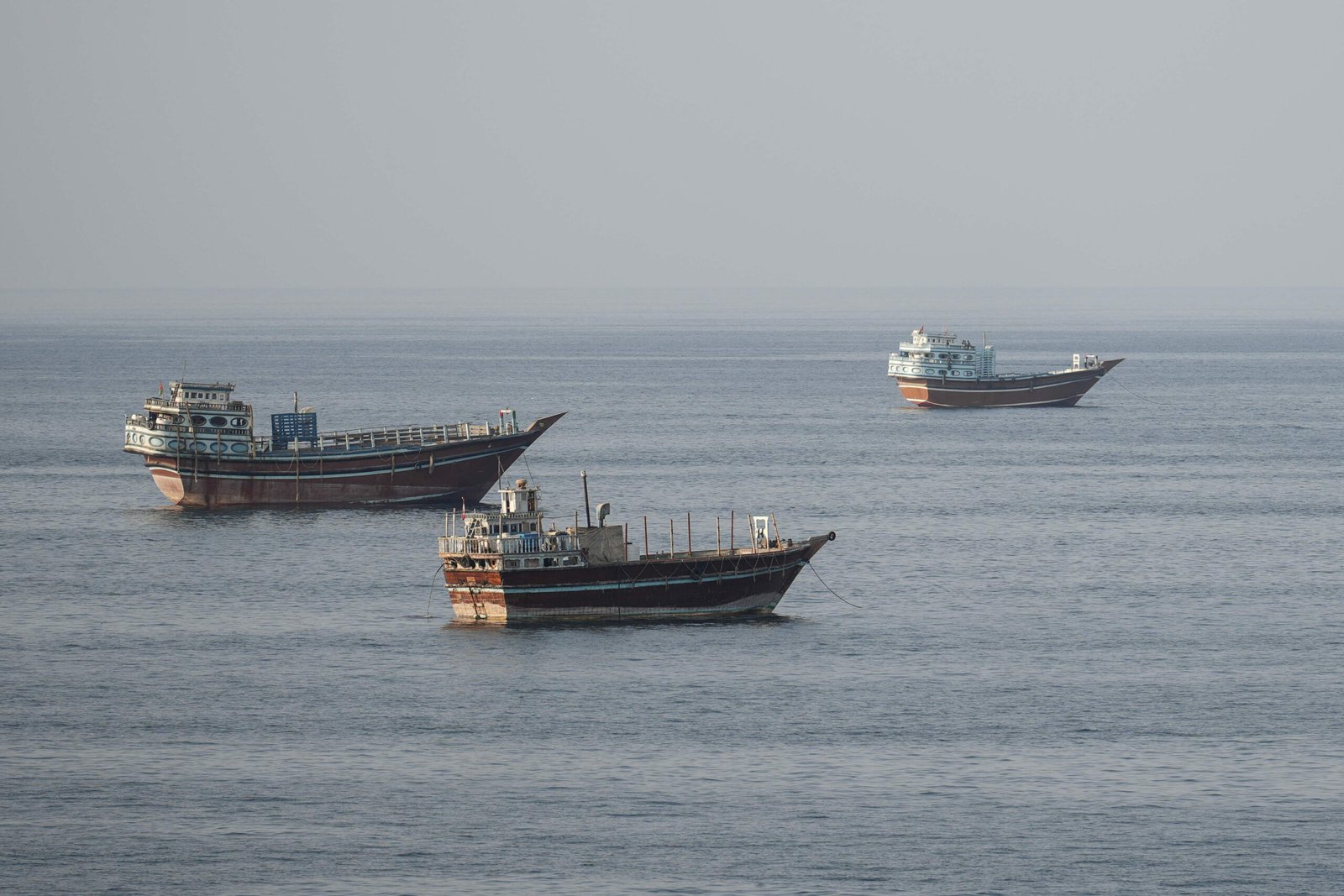
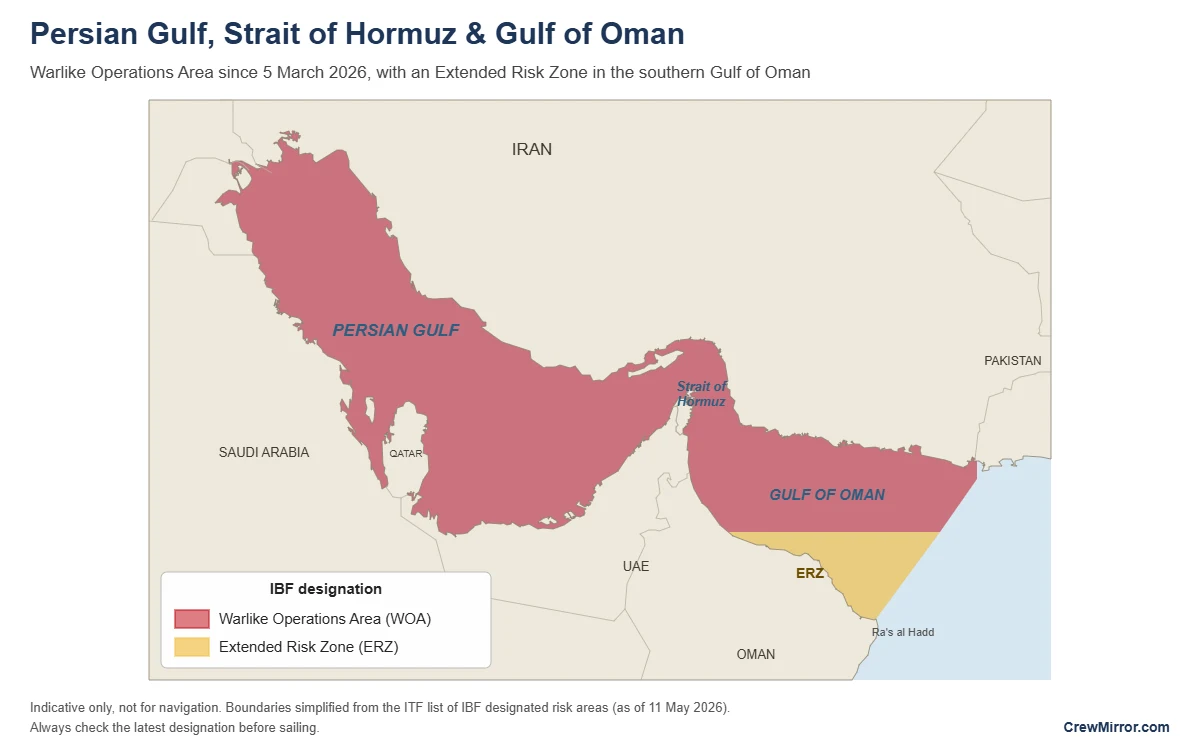
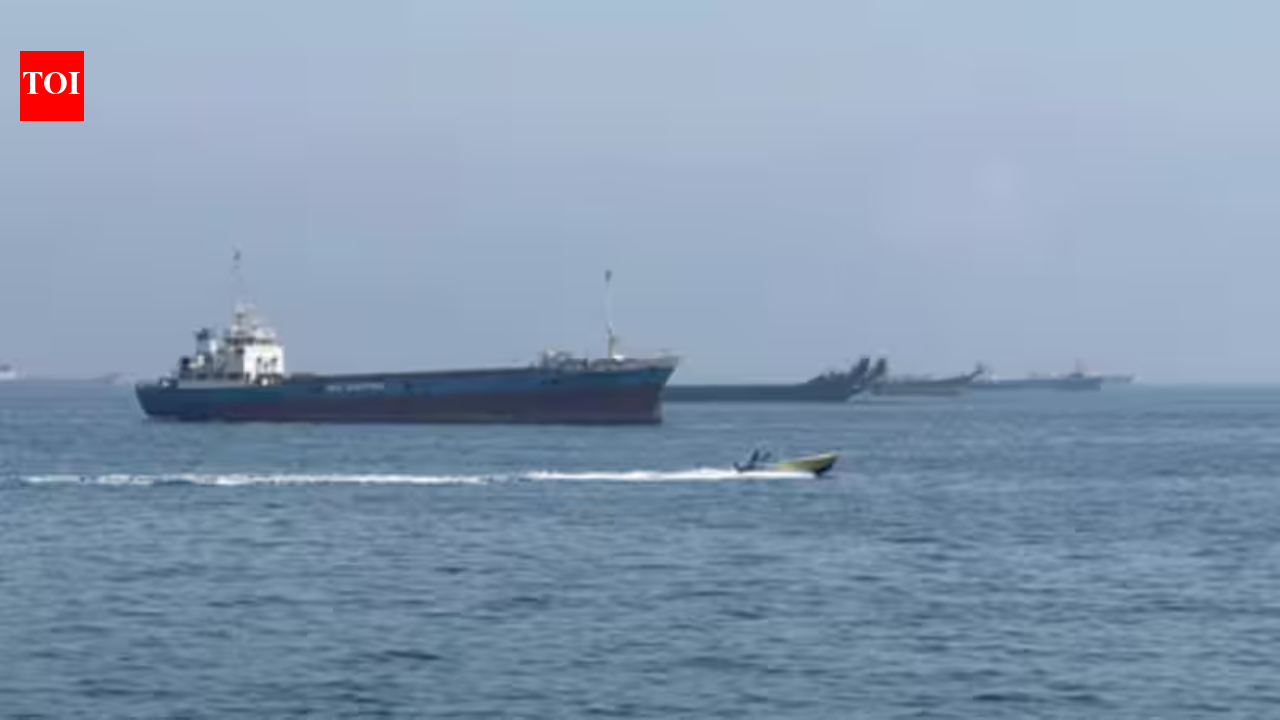
In July 2026, India’s maritime administration ordered shipowners, ship managers and recruitment companies not to deploy Indian seafarers on vessels sailing through the Strait of Hormuz until further orders, after Indian seafarers were killed in attacks in the region (report on the order). In October, the Directorate General of Maritime Administration (DGMA) also barred RPSL companies from placing Indian seafarers on inland, riverine and coastal vessels in Malaysia’s Sarawak region, as covered in our news on the DGMA Sarawak ban.
Each new rule changes which ships an Indian seafarer can join. A relief plan that was valid last month can become non-compliant overnight, so crew change management now needs a regulatory check built into every assignment.
2. More Refusals and Higher Wage Expectations
Indian industry voices have described a human resource crisis caused by the Gulf conflict. Fear after attacks has increased refusals, and RPSL companies are repeatedly searching for seafarers willing to sail in the region, often at higher wages or with extra incentives (Business India analysis). When one joiner backs out, the person on board waits longer.
3. A Global Officer Shortage
The BIMCO and ICS Seafarer Workforce Report 2026 estimates a shortage of 39,100 STCW-certified officers this year and says the world fleet will need 113,735 more officers by 2030. Ratings are in surplus, but good Chief Officers, Second Engineers and ETOs are hard to find. Every Indian manning company is competing for the same small pool of available officers.
4. Flights, Visas and Port Restrictions
Even where crew change is allowed, visas can be slow and flights limited, especially around the Gulf. A single missed connection can push a sign-on by a week and force an expensive deviation or a second launch boat booking. For crew change management teams, this means travel can no longer be booked as an afterthought; it has to be planned alongside the relief itself.
The Hidden Cost: Chasing Seafarers Who Are Not Available
Ask any crewing executive where the day goes, and many will say “on the phone”. A typical search for a relief starts with an old database of CVs. The executive calls dozens of numbers, only to hear that the officer is already on board, has just signed a contract elsewhere, or will only be free in three months.
This is the least visible part of poor crew change management, but it is costly. Hours of staff time, phone and messaging costs, delayed replies to the ship and, finally, a rushed choice made under pressure. The real problem is not a lack of seafarers; it is a lack of reliable data on who is free to join now.
8 Practical Steps to Improve Crew Change Management
The good news is that most delays can be reduced with better planning and better data. These steps are realistic for both large ship managers and small RPSL offices, and none of them needs a big software budget. Think of them as a simple crew change management system that any office can start using from next week.

1. Plan Every Relief 90 Days Ahead
Keep a live rotation calendar for each vessel. At 90 days before a contract ends, flag the relief, note the ship’s trading area and check if any deployment restriction applies. Planning early is the single biggest improvement you can make to crew change management.

2. Search Available Seafarers First
Instead of calling an entire database, start with candidates who have already confirmed they are available. Indian job portals such as Jobships.com, used by many seafarers and RPSL companies, show only seafarers who are currently available for a job, so a crewing executive does not waste time and money contacting people who are already at sea. Filter by rank, ship type and availability date, then shortlist.
Whatever source you use, the rule is the same: availability first, then experience, then cost. It turns a two-day phone hunt into a short, focused shortlist.
3. Keep Two Backups for Every Critical Rank
For Master, Chief Engineer, Chief Officer, Second Engineer and ETO, keep at least two pre-screened backups. With refusals rising, a backup who has already cleared document checks can save a crew change when the first joiner withdraws.
4. Be Honest About the Trading Area
Tell candidates clearly where the ship is trading, what war-risk terms apply and what their rights are. Many CBAs give seafarers the right to refuse warlike areas, as explained in our guide on war zone rights for seafarers. A seafarer who says “no” at the interview is far less costly than one who says “no” at the airport.
5. Verify Documents Before You Book Travel
Check the CDC, passport, STCW certificates, medical fitness, visas and vessel-type courses before any ticket is issued. Under the Merchant Shipping (Recruitment and Placement of Seafarers) Rules, RPSL agencies carry clear responsibilities and face annual inspection, as set out on the DGMA RPSL page. Remember that an RPSL must not charge any fee to the seafarer.
6. Plan Crew Change Ports and Travel Backups
For each voyage, agree a first-choice and a backup crew change port with the ship manager and local agent. Where Indian crew are involved, an Indian port call can make sign-off simpler and cheaper. Book flexible fares where possible and keep a travel agent who understands marine fares and transit rules.

7. Communicate With Seafarers and Their Families
Good crew change management is also about trust. Send short, regular updates to the seafarer on board about the relief plan. Reply to every applicant, even with a simple “not this time”. Seafarers remember companies that respect their time, and they return to them, which helps retention in a tight officer market.
8. Measure What Matters
Track a few simple numbers every month:
- Percentage of crew on board beyond contract end date
- Average days between relief request and confirmed joiner
- Number of last-minute joiner withdrawals
- Average cost per crew change, including travel and deviation
- Hours spent per successful hire
If the “hours per hire” figure is high, your sourcing is the bottleneck. Moving to availability-first searching usually brings it down quickly. Share these numbers with the ship manager or owner every quarter. Clear data turns crew change management from a daily fire-fight into a process that can be improved step by step.
A Simple Crew Change Management Checklist for Your Office
Print this list and keep it on every crewing desk:
- Relief flagged 90 days before contract end, with trading area noted
- Deployment restrictions checked against the latest DGMA orders
- Shortlist built from seafarers who are available on the joining date
- Two pre-screened backups ready for senior ranks
- All documents and courses verified before travel is booked
- Crew change port, agent and backup route agreed in writing
- Seafarer on board updated on the relief plan
- Feedback recorded after sign-off for the next rotation
A checklist sounds basic, but most failed reliefs can be traced back to one missed box. Using the same routine for every vessel makes crew change management predictable, even when the world outside is not.
Crew Change Management and Seafarer Welfare Go Together
Delayed reliefs are not only an operational issue. Long contracts increase fatigue, as our article on hours of rest violations shows, and they damage the company’s name in seafarer WhatsApp groups. Under MLC 2006, the maximum period on board must be less than 12 months. A company that keeps its promises on relief dates will find recruitment easier next year.

FAQ: Crew Change Management for Indian Manning Companies
What is crew change management?
Crew change management is the planning and control of every step needed to relieve a seafarer on time: finding and checking a replacement, arranging travel, visas and port permissions, and repatriating the off-signer.
How can RPSL companies reduce last-minute crew change failures?
Good crew change management starts early. Begin planning 90 days ahead, keep two pre-screened backups for senior ranks, verify documents before booking travel, and be transparent with candidates about the ship’s trading area.
How can manning companies save money on recruitment?
Focus on candidates who are actually available. Searching platforms that list only available seafarers avoids wasted calls and messages, shortens time-to-hire and reduces costly emergency travel.
Conclusion
The forces behind crew change problems in 2026, from conflict zones to the officer shortage, are outside any office’s control. But crew change management, the way a manning company plans, sources and communicates, is fully in its hands. Indian RPSL holders that plan early, search available seafarers first and treat crew with respect will relieve their people on time and win the loyalty of the best officers.
What is the biggest crew change challenge in your office or on your ship right now? Share your experience in the comments below. Your story may help another manning company or seafarer.
Sources
- The Sun (Reuters): India bars seafarers from Strait of Hormuz routes (July 2026)
- CrewMirror: DGMA bans Indian seafarers from working in Malaysia’s Sarawak region (October 2026)
- Hellenic Shipping News / Business India: Sailing through troubled waters
- BIMCO: BIMCO and ICS report warns of potential future shortage of officers (Seafarer Workforce Report 2026)
- Jobships.com: Seafarer jobs and available candidates portal
- Directorate General of Maritime Administration: RPSL (Recruitment and Placement Services License)
- India Seatrade News: DG Shipping has a five-pronged strategy to arrest recruitment fraud in the maritime sector
- ILO: Maritime Labour Convention, 2006 – Frequently Asked Questions
This article was prepared with the help of Internet Search and AI assistance tools.