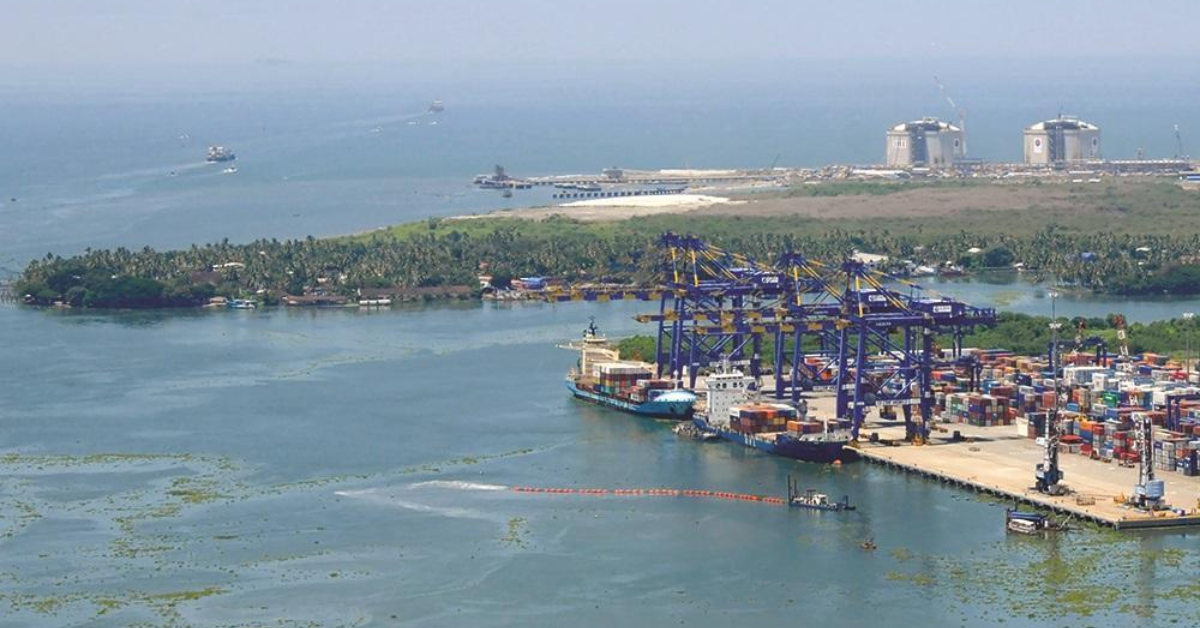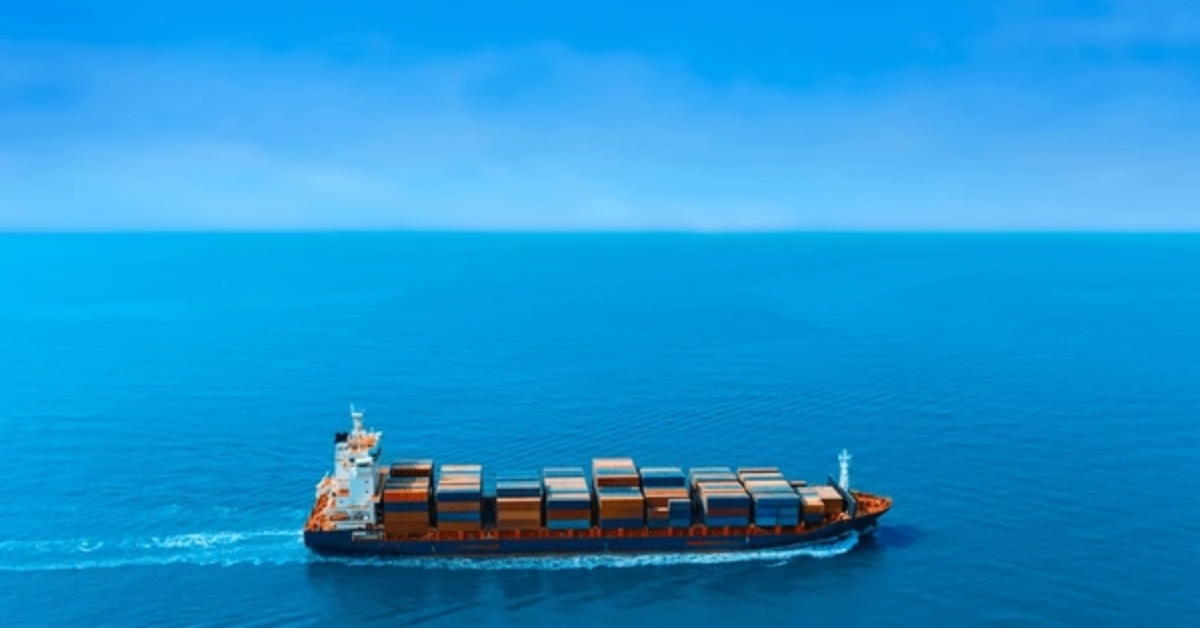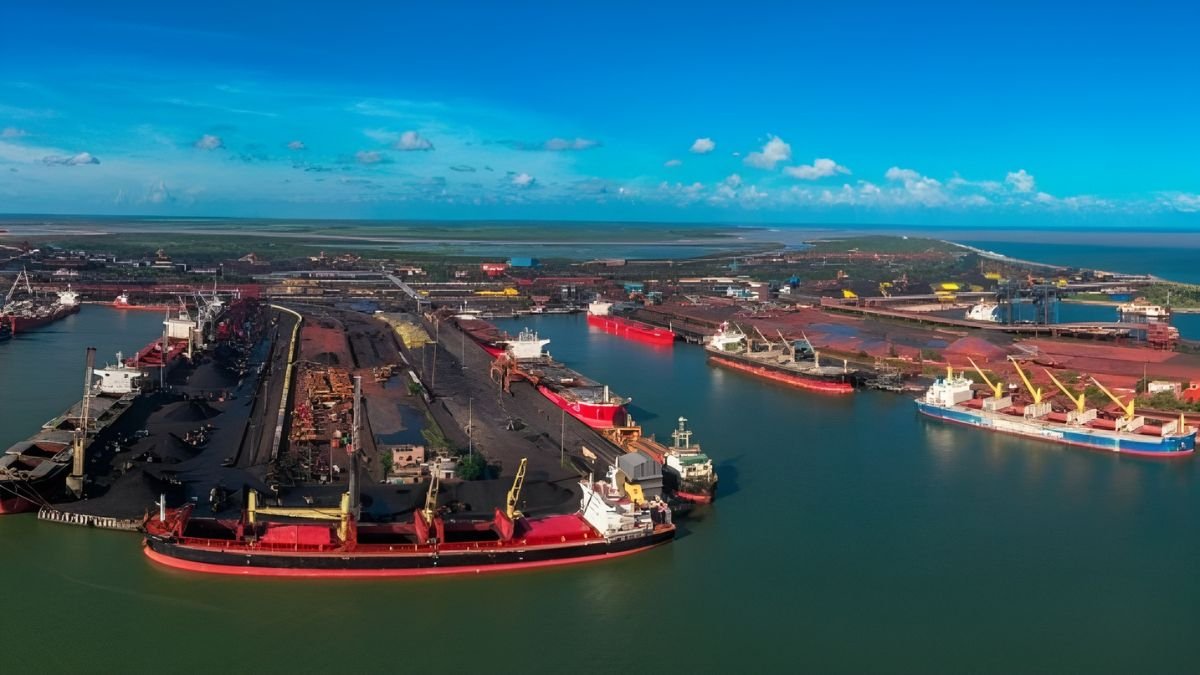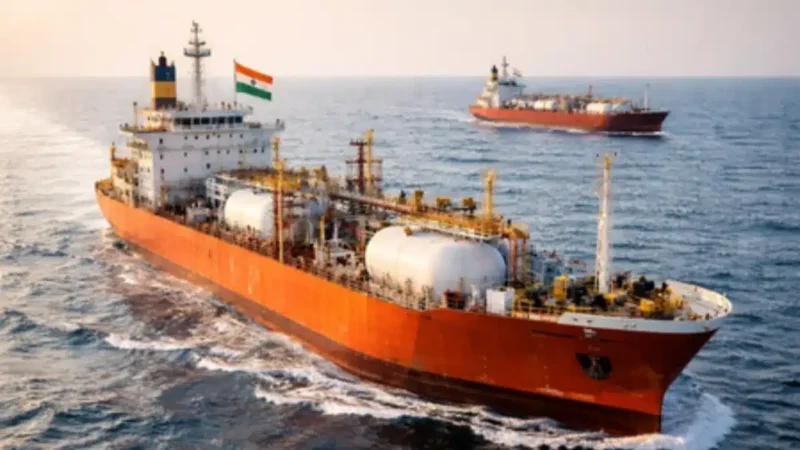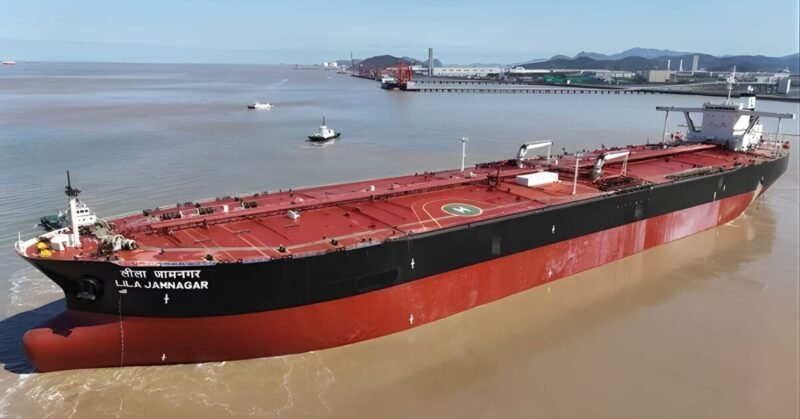
India is emerging as a vital alternative fuel supplier for Asian economies amid the West Asia crisis. Diesel exports to Southeast Asia reached a seven-year high in March 2026, driven by reduced Gulf output and India’s refined products surplus. The country’s geographical advantage allows for quicker deliveries to Southeast Asian markets compared to suppliers from the Atlantic Basin or the US. This boom in diesel exports is not only boosting foreign exchange earnings but is also improving refinery margins, which partially alleviates the financial strain from purchasing costlier crude from non-Gulf sources.
In a related development, South Korea’s petrochemical sector is facing naphtha shortages due to disruptions in Middle Eastern supplies. Consequently, South Korean industries are increasingly relying on Indian exporters to fill the gap. Indian refiners are well-positioned to ramp up naphtha production, potentially solidifying long-term trade relationships with other Asian economies. This shift could substantially transform India’s role in the regional energy markets, showcasing its growing export capabilities.
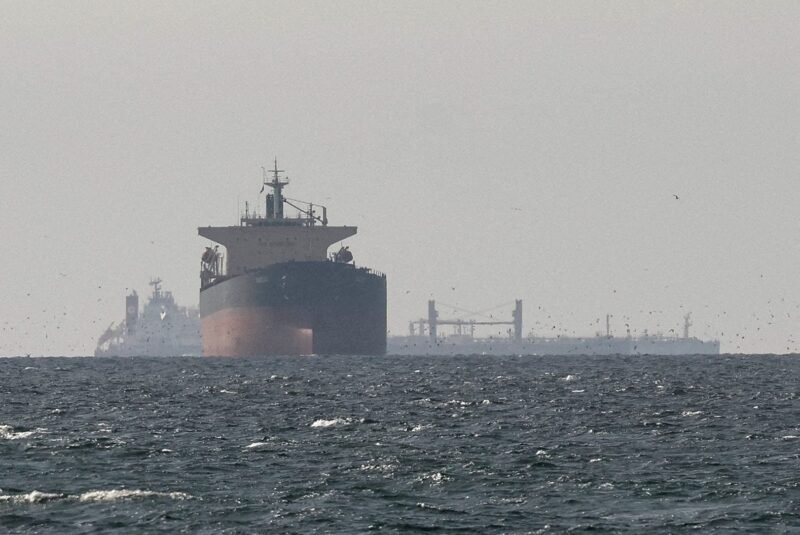
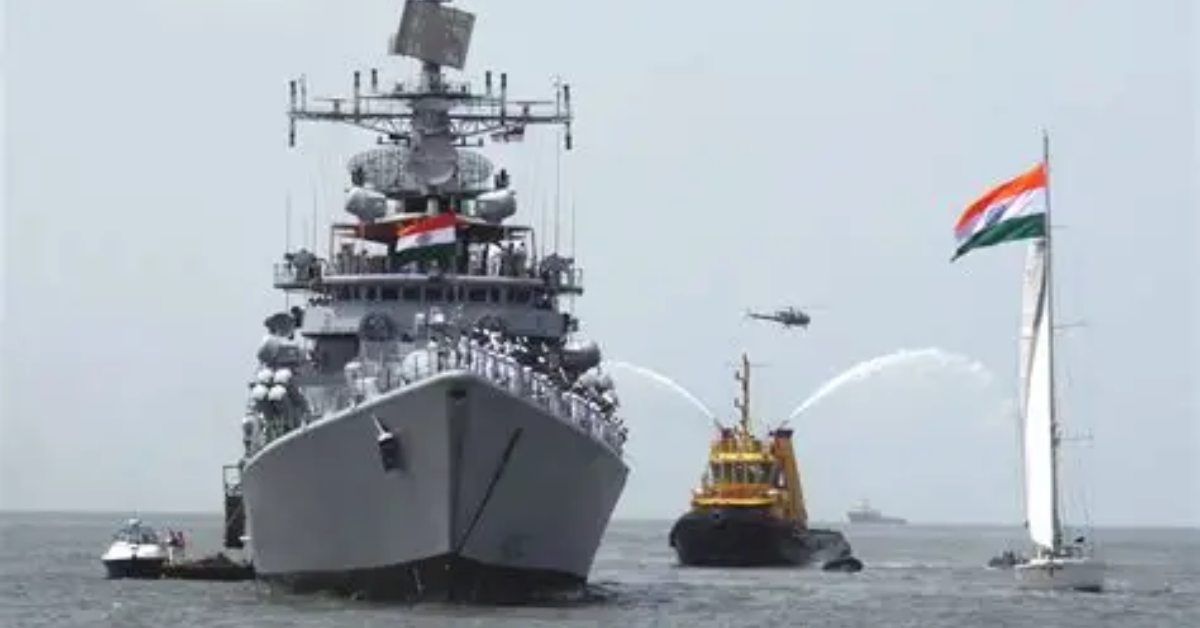
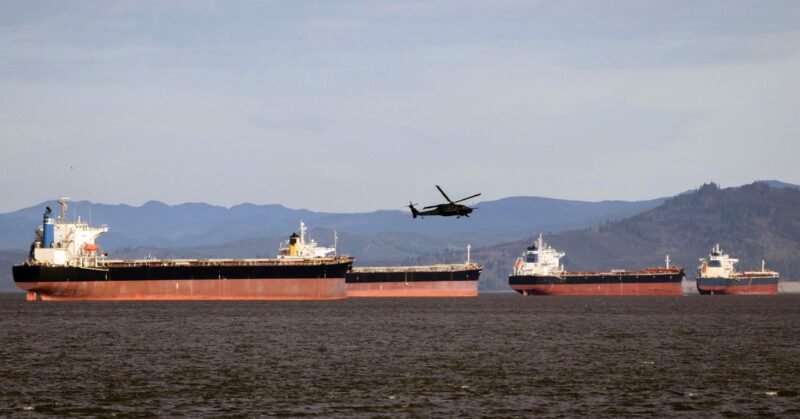
Despite these commercial opportunities, the Indian government is cautious regarding the safety of its maritime assets in the conflict zone and has no immediate plans to redeploy ships to the Persian Gulf. Instead, the focus remains on ensuring energy security and managing stranded vessels in the region.