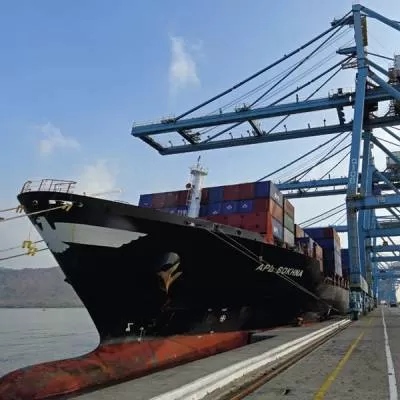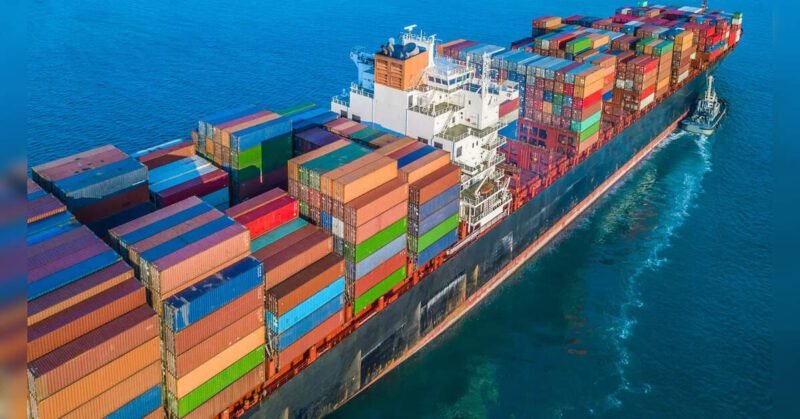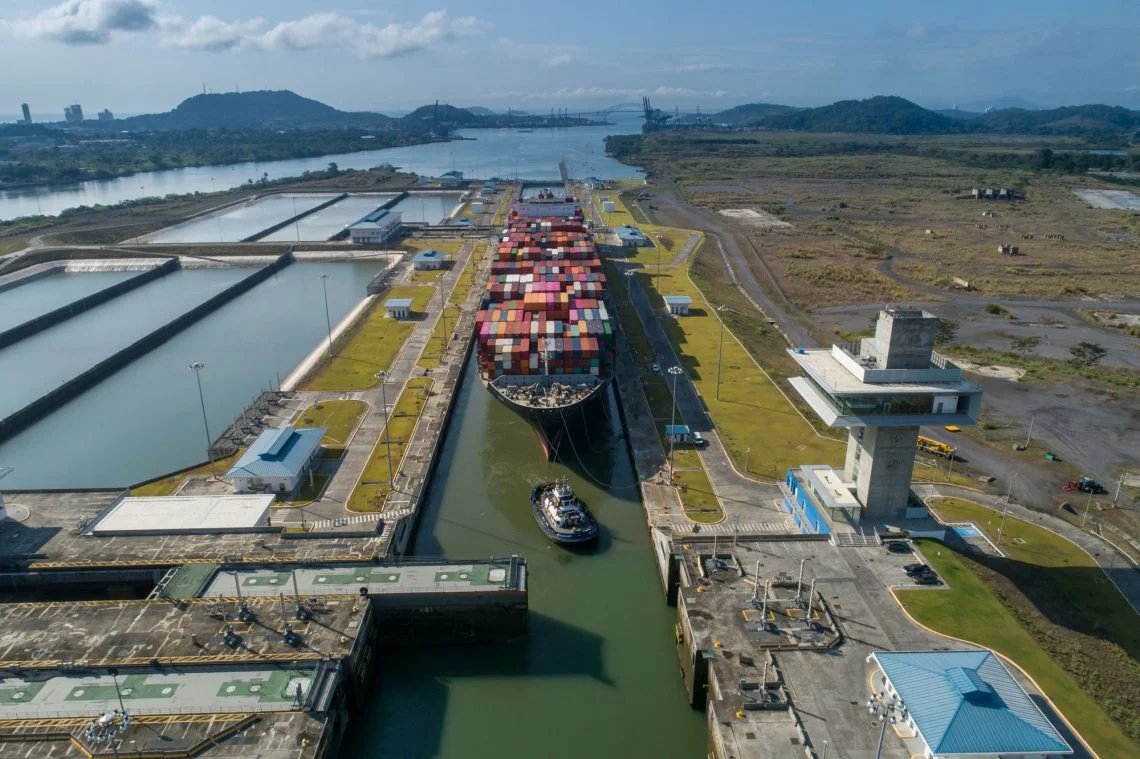
In response to the Hormuz crisis, India has revised its transshipment regulations to enhance cargo handling, attracting volumes diverted from Persian Gulf and Red Sea ports to Indian terminals. This regulatory adjustment aims to position Indian ports as viable alternatives for transshipment, easing the logistical challenges posed by the region’s instability.
The streamlined procedures have reduced dwell times and improved efficiency for containers at Indian ports. Ports on India’s west coast, nearest to the Gulf, and those on the east coast, with strong links to Southeast Asian hubs, stand to benefit significantly from these changes.
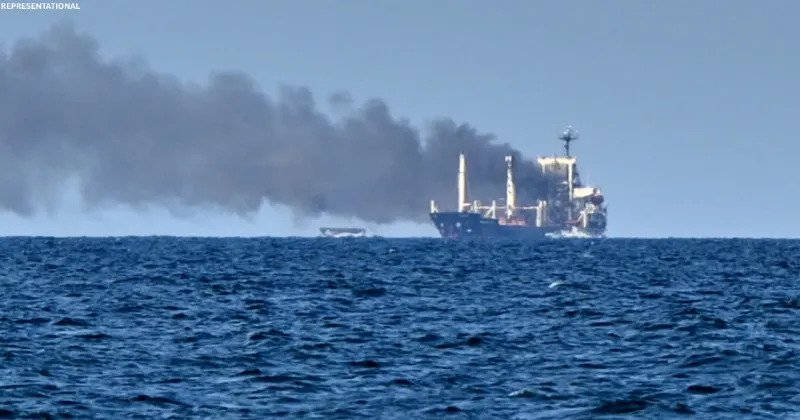
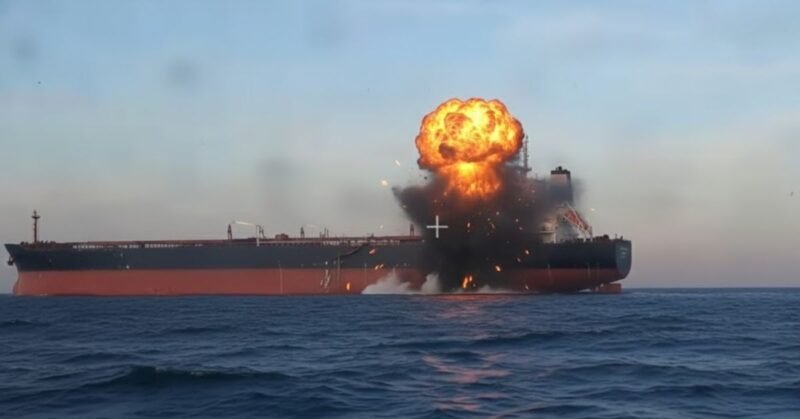
Currently, 19 energy vessels bound for India, carrying crude oil, LNG, and LPG, remain stranded near the Strait of Hormuz due to security concerns. This situation exacerbates pressure on local energy supply chains, particularly for LPG, with anticipated import volumes significantly below averages from the previous month.
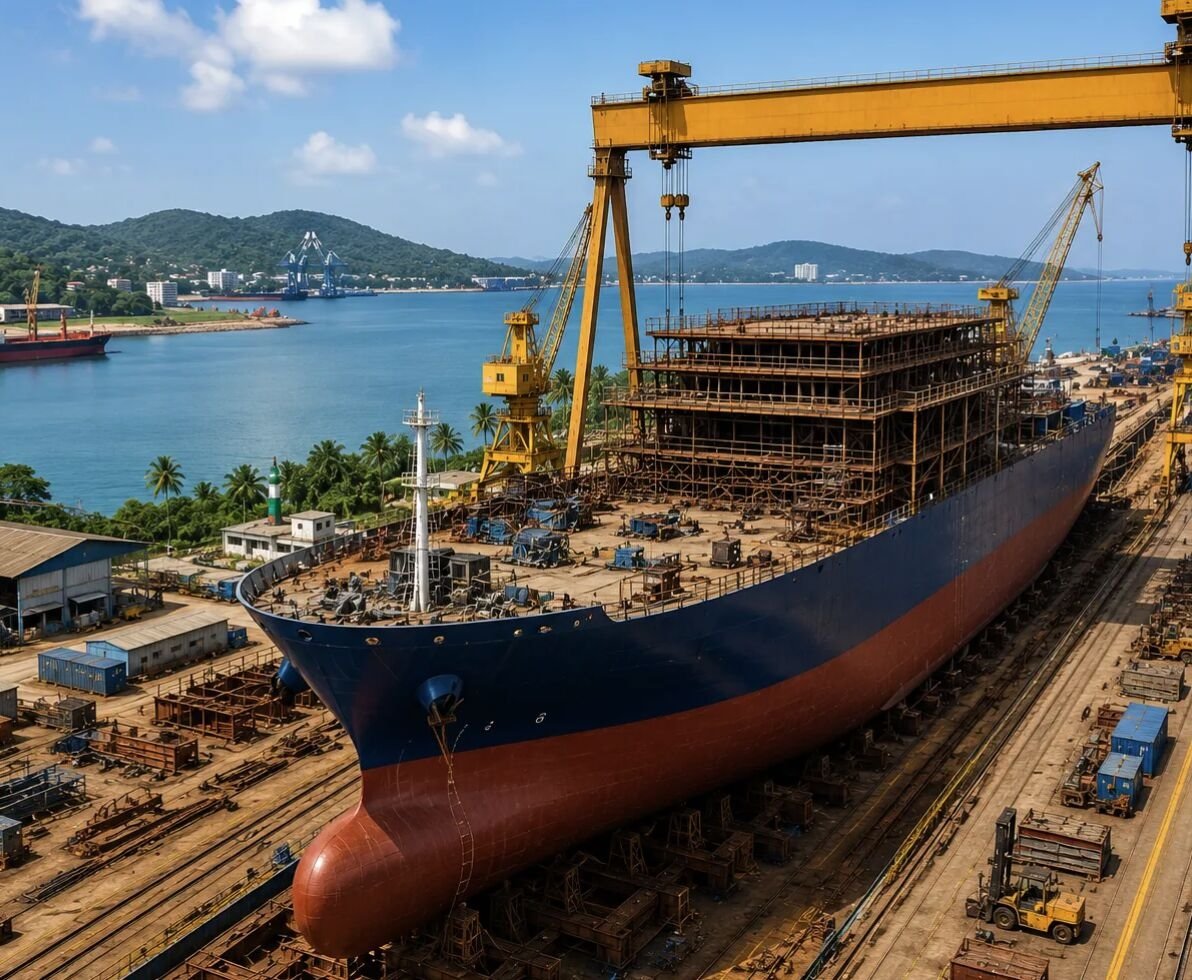
The easing of transshipment rules is poised to benefit shipping lines, port operators, and cargo owners alike. It presents Indian ports as attractive options compared to global counterparts, fostering quicker cargo movement and reducing costs, ultimately supporting India’s energy needs during this crisis. Additionally, a ₹438.29 crore project to modernize New Mangalore Port emphasizes long-term infrastructure growth for energy handling.