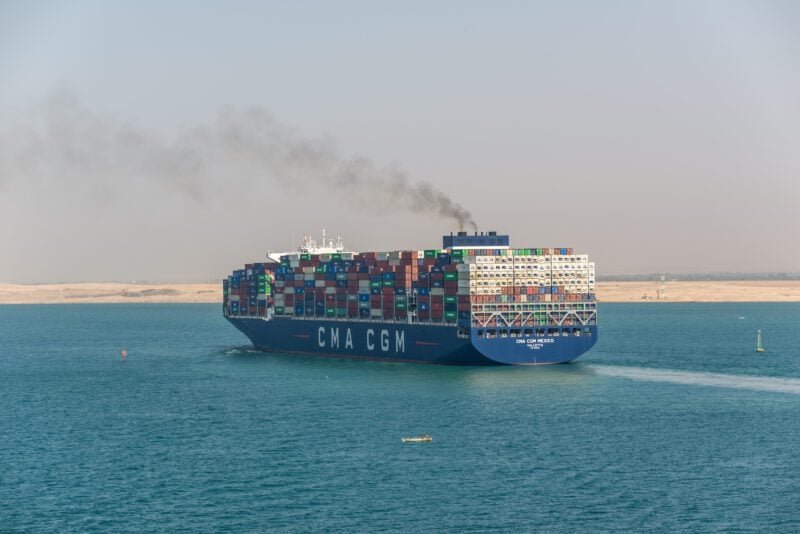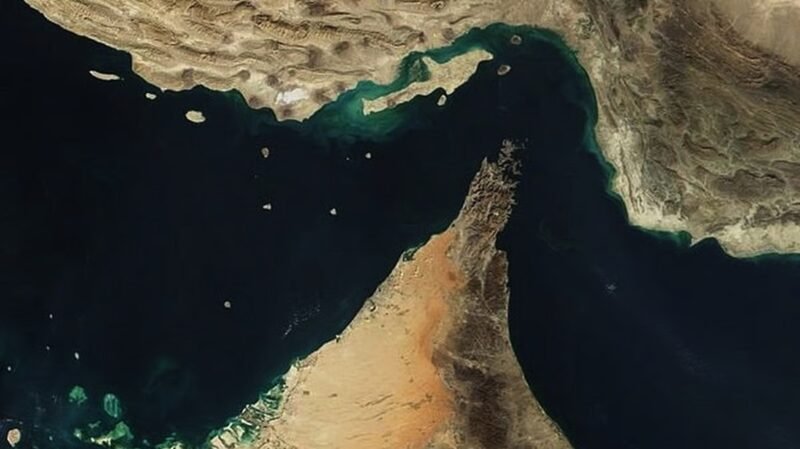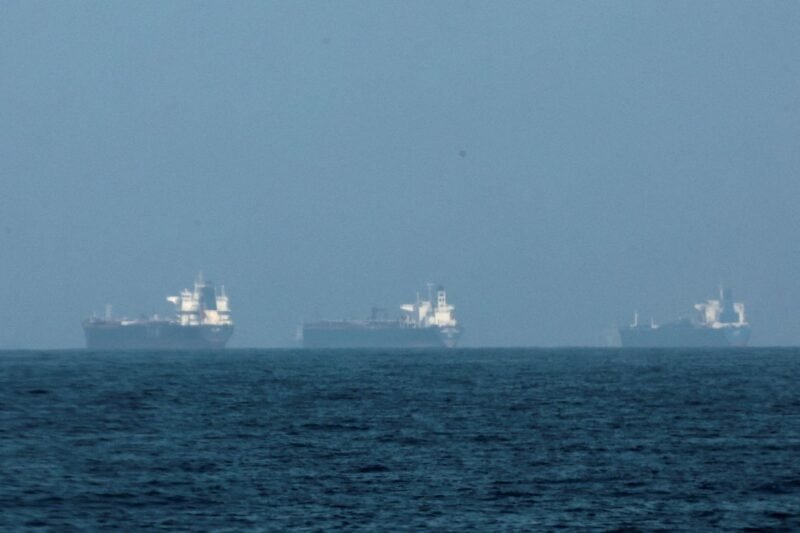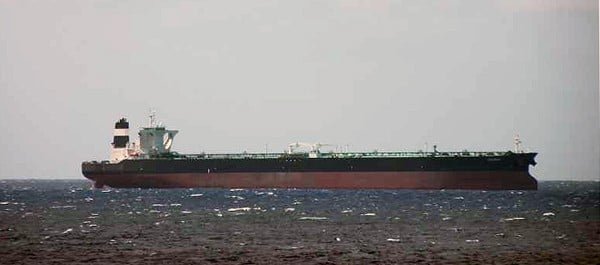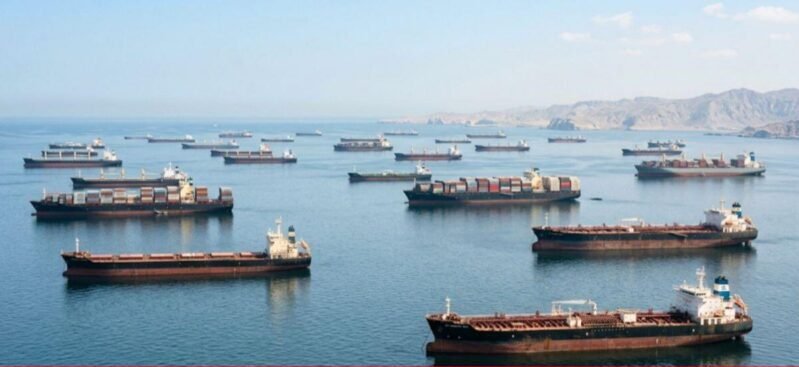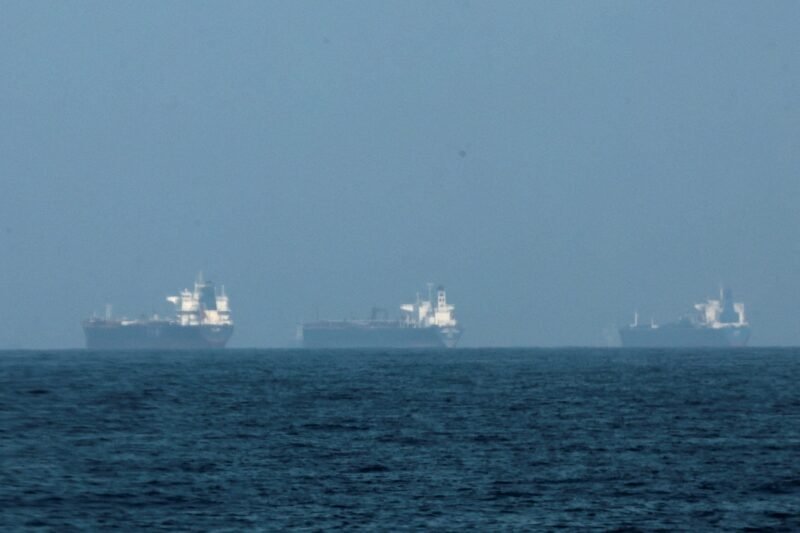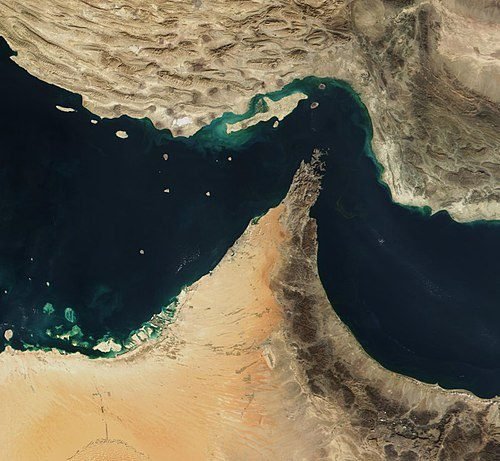
Two Indian-flagged very large gas carriers (VLGCs) — Jag Vasant and Pine Gas — have successfully navigated the Strait of Hormuz, as confirmed by ship-tracking data. This development represents a cautious return of Indian vessels to a crucial energy chokepoint amid ongoing geopolitical tensions. The ships traveled north from the UAE, closely following Iran’s coast, a route that has become a favored pathway for vessels cleared by Iranian authorities.
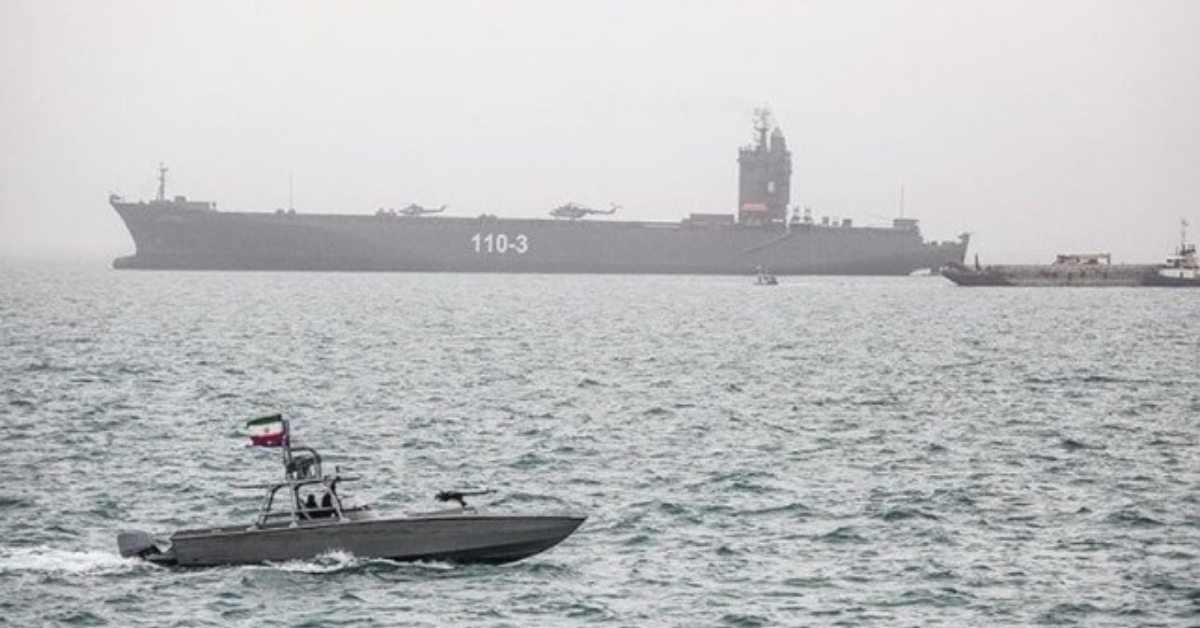
This transit illustrates Iran’s selective access policy, allowing vessels from non-adversarial nations while restricting those linked to the U.S. and Israel. Following heightened diplomatic engagements, Indian tankers have benefited from Iran’s willingness to permit their passage, with officials emphasizing that the strait remains accessible for friendly vessels. Although the legal status under UNCLOS is ambiguous, this arrangement has facilitated the continued flow of energy supplies to India.
The successful passages are vital for India’s LPG supply chain, which had faced significant disruptions after the Strait’s initial closure to commercial traffic. With India relying heavily on Gulf imports for LPG, concerns grew about availability, especially in rural areas supported by the Pradhan Mantri Ujjwala Yojana scheme.
In parallel, India’s multi-faceted response includes the Indian Navy’s Operation Sankalp escort mission and ongoing diplomatic efforts, while plans to diversify LPG sources from the U.S. and Argentina are underway. As of late March, 22 Indian-flagged ships remain in the Persian Gulf, and their exit rate will be closely monitored by energy markets.
Share it now