![Rise Of The [Hull Clening] Robots](https://crewmirror.com/wp-content/uploads/2026/04/Rise-of-the-Hull-Cleaning-Robots-A-New-Era-Begins.jpg)
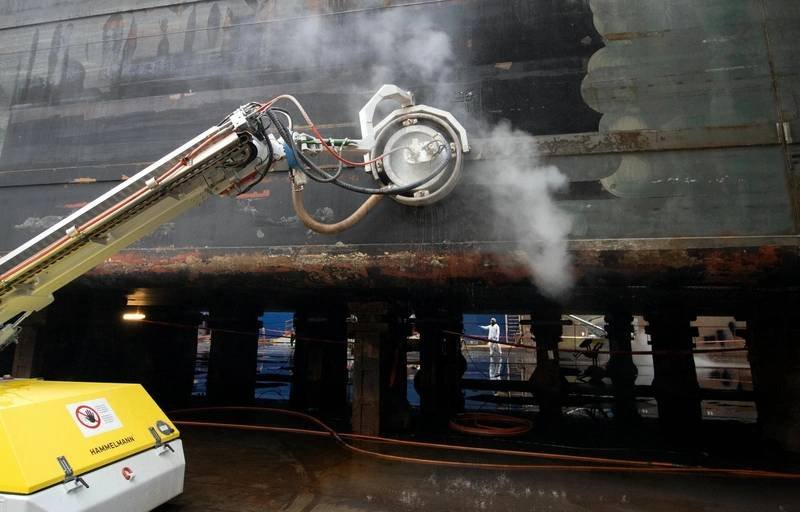
For centuries, shipowners have battled biofouling—marine organisms like barnacles and algae that cling to hulls, increasing drag and reducing efficiency. Traditionally, antifouling coatings and diver cleaning teams were the norm, but the rise of underwater robotics is transforming hull maintenance. Robotic cleaning systems are now essential for shipowners aiming to enhance efficiency, cut emissions, and adopt flexible maintenance schedules. A clean hull can reduce fuel consumption by 10-30%, making robotic cleaning economically advantageous amid rising fuel costs and stringent environmental regulations.
Initially driven by compliance with environmental laws, robotic cleaning technologies are evolving into crucial operational tools. Systems like HullWiper and CleanSubSea capture and filter removed biofouling, preventing the spread of invasive species. Companies like Greensea IQ and Jotun are pioneering this sector, with Greensea’s EverClean system enabling routine maintenance while vessels remain operational. Demonstrations with the U.S. Army have shown that robotic systems can clean hulls significantly faster than traditional methods, improving readiness and efficiency.
As robotic technology advances, the industry is witnessing a shift toward continuous cleaning and integrated maintenance strategies. Innovations like Neptune Robotics’ cavitation-jet technology and CRABI Robotics’ autonomous systems aim to maintain optimal hull conditions without extensive downtime. This transition reflects a growing recognition that maintaining a clean hull not only enhances performance but also offers substantial long-term cost savings. The future of hull maintenance may soon be defined by fleets of autonomous robots, fundamentally changing how vessels operate efficiently in the water.