WAPS: Advancing Shipping Decarbonization
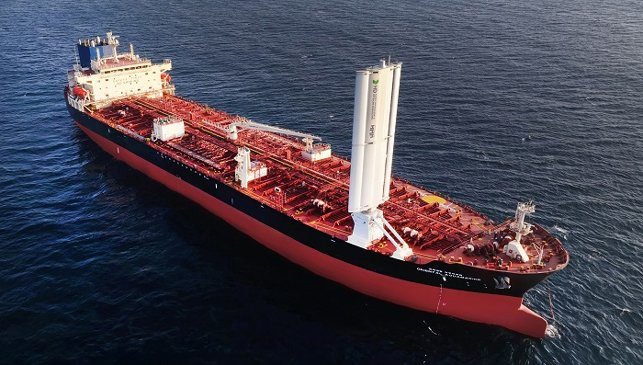
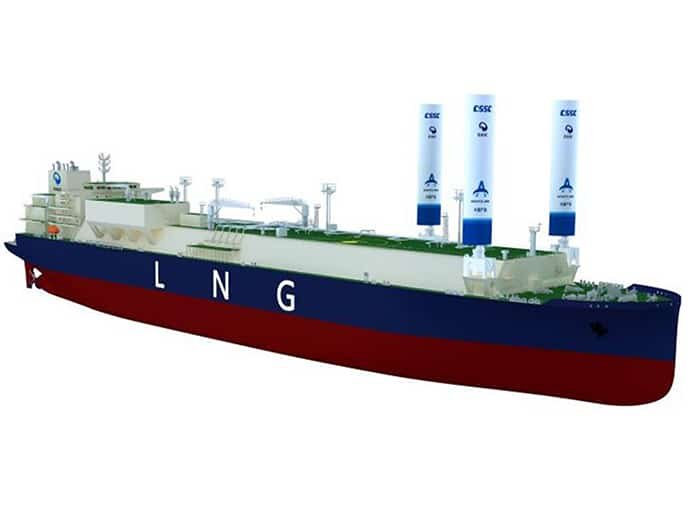
Wind-assisted propulsion systems (WAPS) are emerging as crucial solutions in the maritime sector’s quest for decarbonization. As the shipping industry faces stricter regulations and rising fuel costs, WAPS, particularly wingsails, offer proven and scalable technologies that can significantly reduce fuel consumption. Dr. Lee Kindberg, a board member at OceanWings, emphasizes that shipping companies have already implemented various strategies to lower their carbon footprints, such as adopting cleaner fuels and optimizing operational efficiencies.
Recent studies indicate that wingsails can achieve fuel savings of up to 35%, making them an attractive option as low-carbon fuels become more expensive. The Canopée vessel’s operational data shows consistent savings of 2.2 tonnes of fuel per day per wingsail, underscoring the effectiveness of this technology. However, the successful integration of WAPS requires a shift in operational practices and training for maritime personnel to maximize performance.
To facilitate the adoption of WAPS, stakeholders, including ports and governments, should establish technology demonstration programs that provide technical support and financial assistance. Classification societies play a vital role in ensuring these technologies meet safety and regulatory standards, as evidenced by OceanWings receiving a Type Approval Design Certificate from DNV. This certification marks a significant milestone, signaling that wingsails are ready for widespread implementation in the maritime industry.
Share it now
Related posts:
 Innovative Dynafin Biomimetic Maritime Propulsion Inspired by Whale Motion
 40-Meter Wing Sail Prototype Unveiled to Boost Wind Assisted Propulsion
 Wind-Assisted Propulsion: Five Rotor Sails Installed on Valemax Bulker
 Innovative AI-Driven Safety System Enhances Maritime Collision Avoidance and Compliance