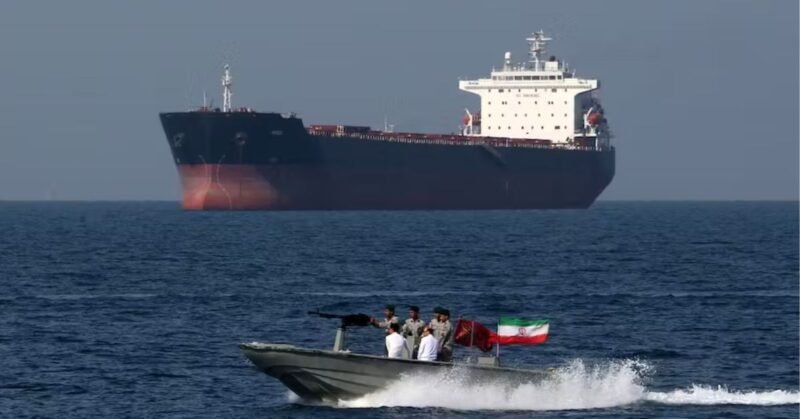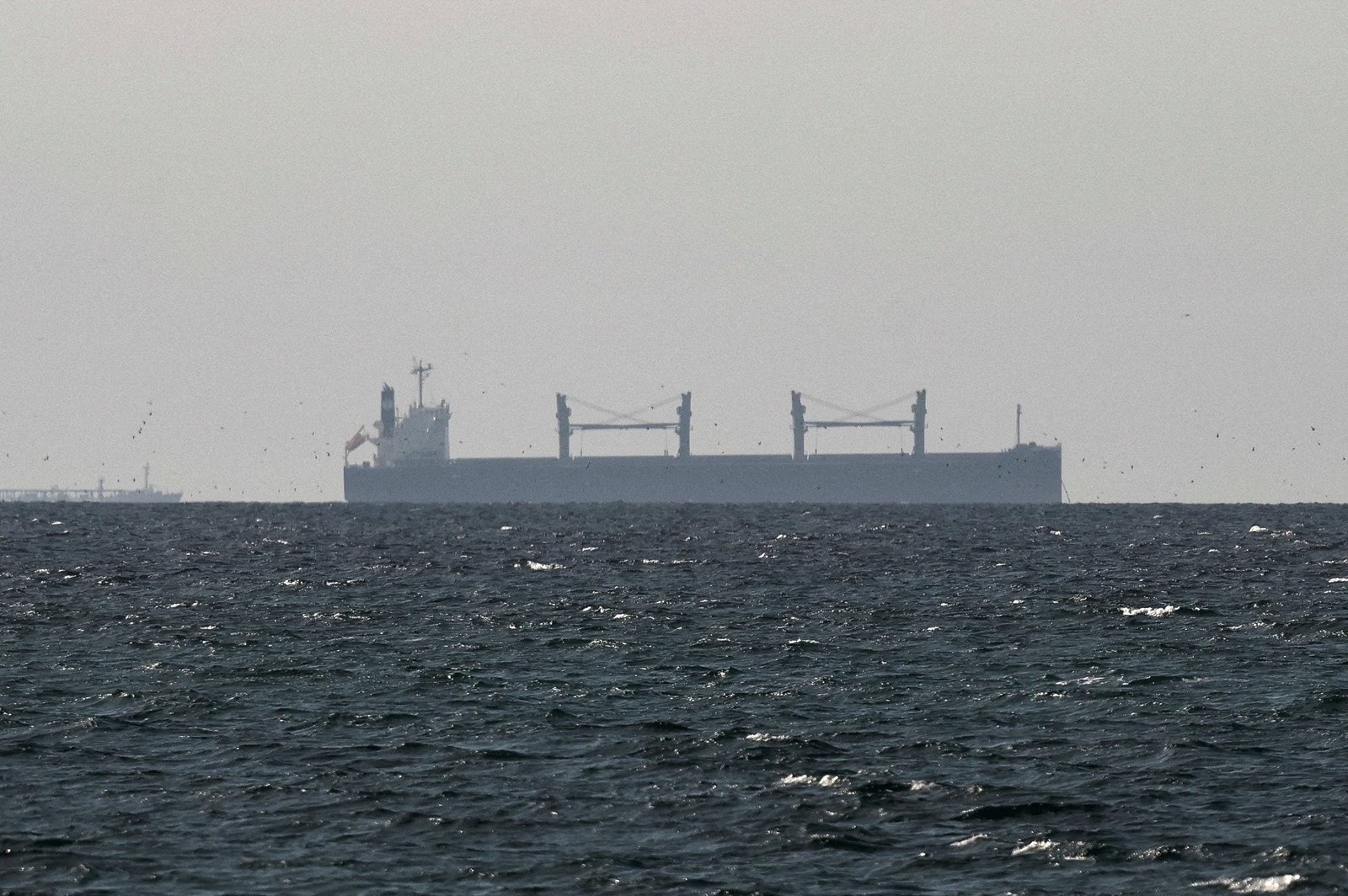
The UN Trade and Development (UNCTAD) is raising alarms about the escalating crisis in the Strait of Hormuz, indicating it is evolving from a mere shipping disruption to a substantial economic shock. This waterway is crucial, as it carries approximately 25% of the world’s seaborne oil, along with significant volumes of liquefied natural gas (LNG) and fertilizers. The current disruptions in these flows are already being felt across the global market.
Data from UNCTAD shows a dramatic decline in ship transits through the Strait, dropping from an average of 129 per day in February to almost single digits by early March. This decline highlights the actions taken by shipping operators, such as rerouting vessels or delaying travel until security improves. Markets reacted swiftly, with Brent crude prices crossing $90 per barrel and natural gas prices spiking, leading to increased transportation costs, insurance premiums, and freight rates.
The situation is further complicated for developing economies, which are already grappling with debt crises. UNCTAD warns that rising energy expenses could lead to inflated transport and fertilizer prices, subsequently exacerbating food inflation. As the Strait is vital for Gulf fertilizer exports, prolonged disruptions could have serious implications for nations reliant on these supplies.
Financial instability is already evident, with regional bond yields on the rise. This pattern suggests a familiar cycle where energy crises quickly translate into broader economic stress. Overall, the Strait of Hormuz remains a critical chokepoint in global trade, and if disruptions continue, the cascading effects on shipping, energy, and food security could become increasingly pronounced.
Share it now