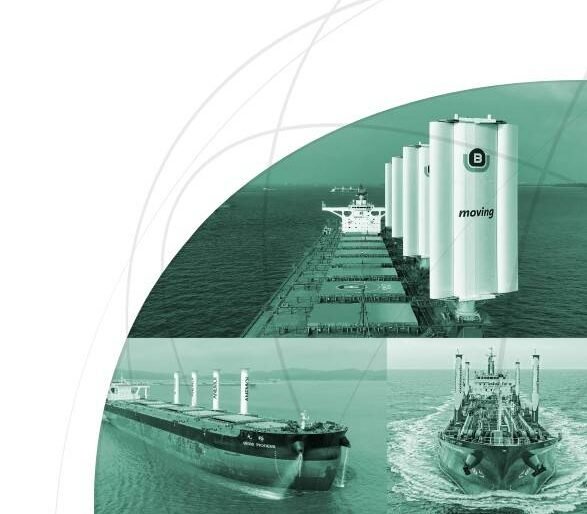
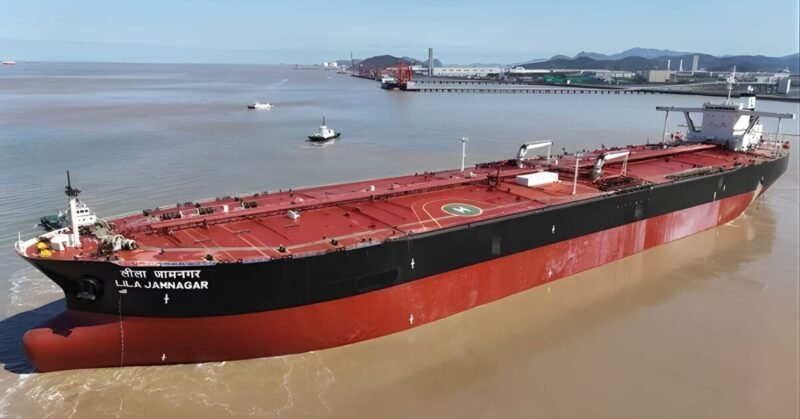
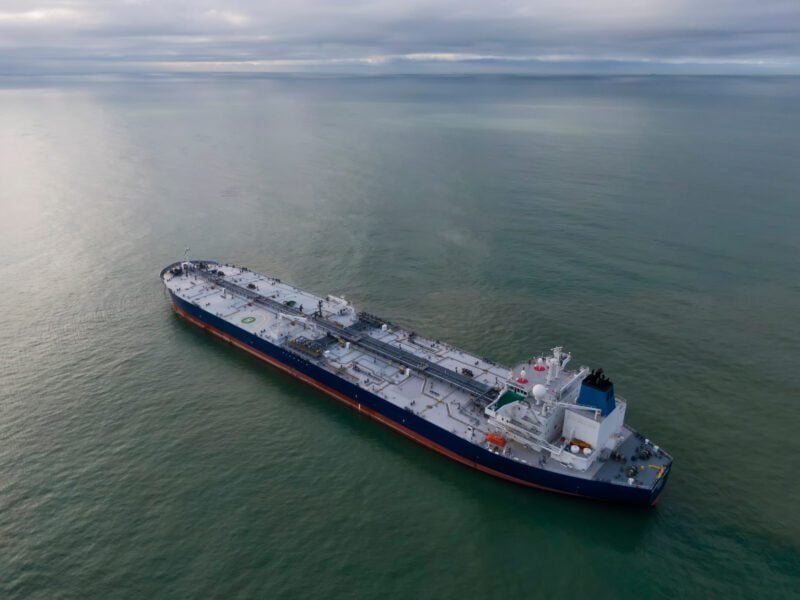
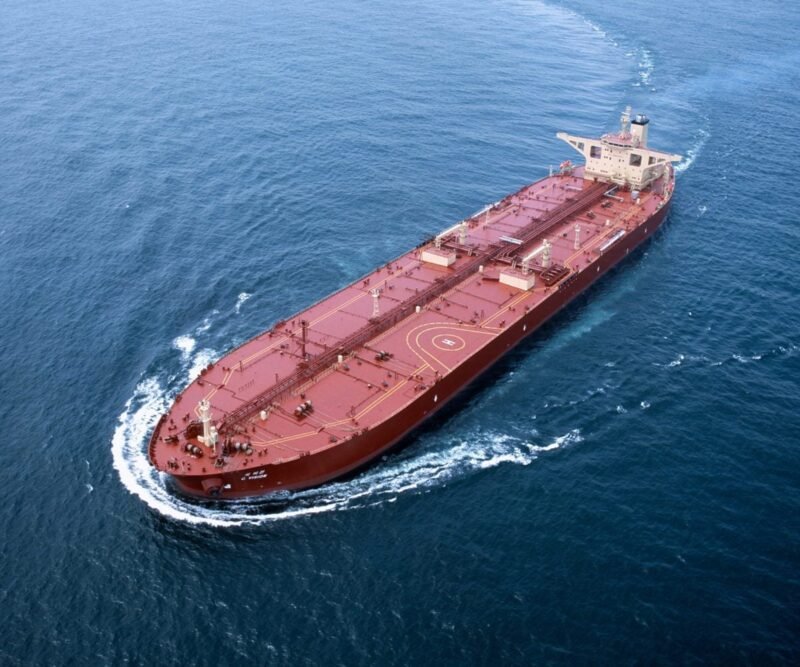
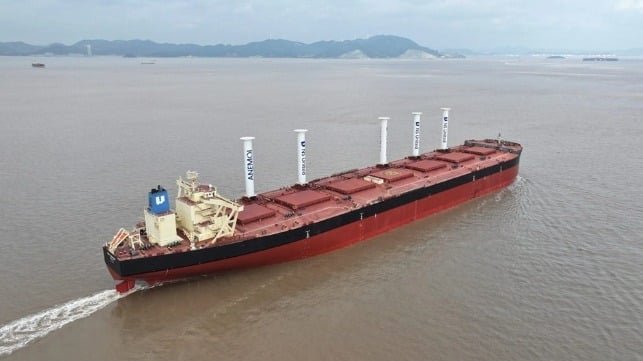
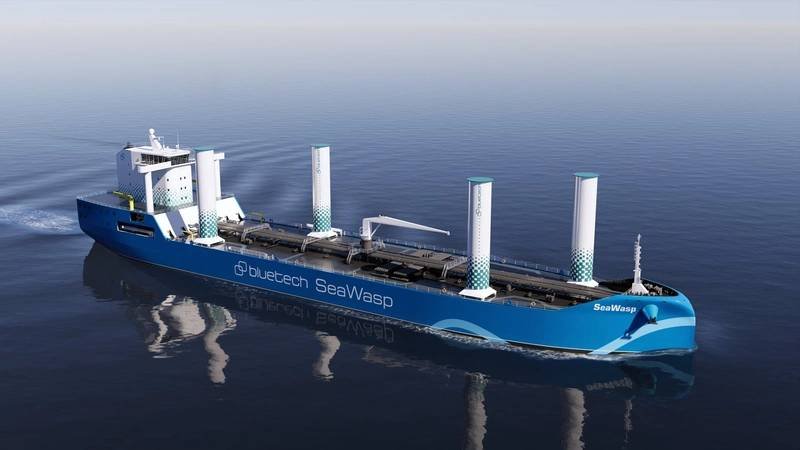
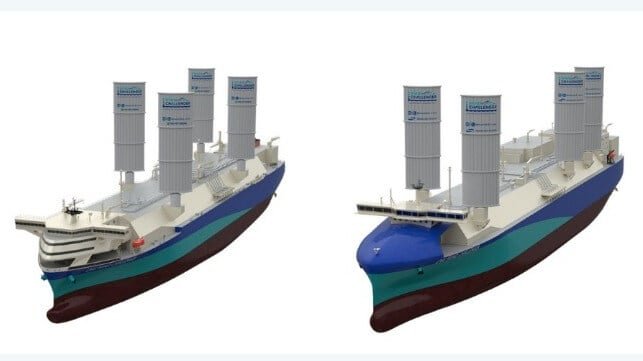
Norsepower and Idemitsu Tanker Co., Ltd. have joined forces to equip two Very Large Crude Carriers (VLCCs) with innovative wind-assisted propulsion technology. This milestone marks the first instance where some of the world’s largest crude oil tankers will utilize mechanical sail power to mitigate emissions. Currently being constructed by Japan Marine United Corporation and Nihon Shipyard Co., Ltd., these vessels will feature two 35x5m “explosion-proof” Norsepower Rotor Sails, with the first delivery expected by late 2028.
Idemitsu’s initiative reflects its dedication to sustainable shipping practices. Alongside the rotor sails, the VLCCs will incorporate advanced energy-saving technologies and are set up to utilize future low-carbon fuels such as methanol. Representatives from Idemitsu emphasized their commitment to a carbon-neutral society, highlighting that the inclusion of Norsepower Rotor Sails represents a significant advancement toward reducing the environmental impact of long-haul shipping while ensuring stable energy transportation.
This partnership also signifies a strategic move for Norsepower within the tanker segment, where it now boasts 22 rotor sail units across various vessel types. The VLCC installation not only marks a technical achievement but also validates the use of wind propulsion at the largest scales of crude oil transport. Norsepower’s CEO, Heikki Pöntynen, noted that this collaboration further cements Japan as a key market for their technology.
The rotor sail technology offers noteworthy performance enhancements, with digital control systems that adjust operations in real time for optimal efficiency. Norsepower claims that these systems can reduce fuel consumption by 5 to 25 percent, potentially achieving even more substantial savings under favorable wind conditions. As shipping companies face mounting pressure to lower greenhouse gas emissions, this VLCC project illustrates how traditional fossil fuel transport can effectively integrate clean energy solutions.
Share it now
Related posts:
 Japanese Coal Carrier with Rotor Sail Technology Completes Maiden Voyage Successfully
 World’s Largest Suction Sails Installed on Fruit Juice Carrier for Enhanced Efficiency and Emission Savings
 40-Meter Wing Sail Prototype Unveiled to Boost Wind Assisted Propulsion
 Wind-Assisted Propulsion: Five Rotor Sails Installed on Valemax Bulker