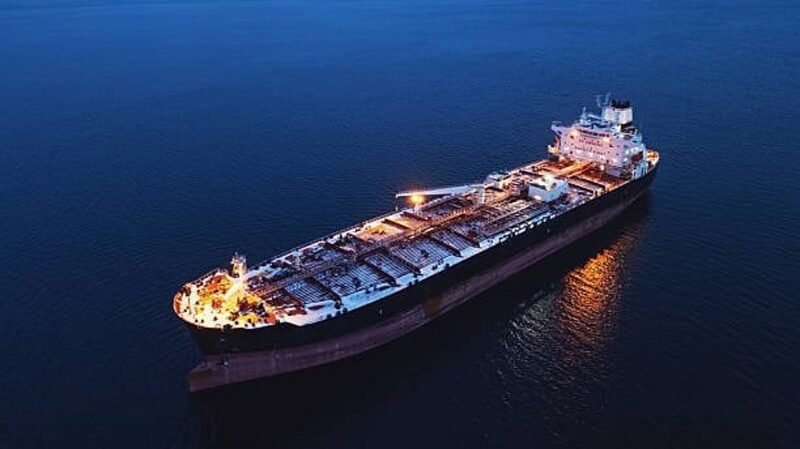
The shipping industry faces new risks from the growing shadow fleet, which poses not only regulatory challenges but also significant informational threats. Each vessel that disappears from tracking reduces global safety awareness, according to Yarden Gross, CEO of Orca AI. The rise of this fleet, with 170 Iranian-sanctioned vessels and many others carrying Russian oil, is straining maritime capacity and increasing the likelihood of further expansion.
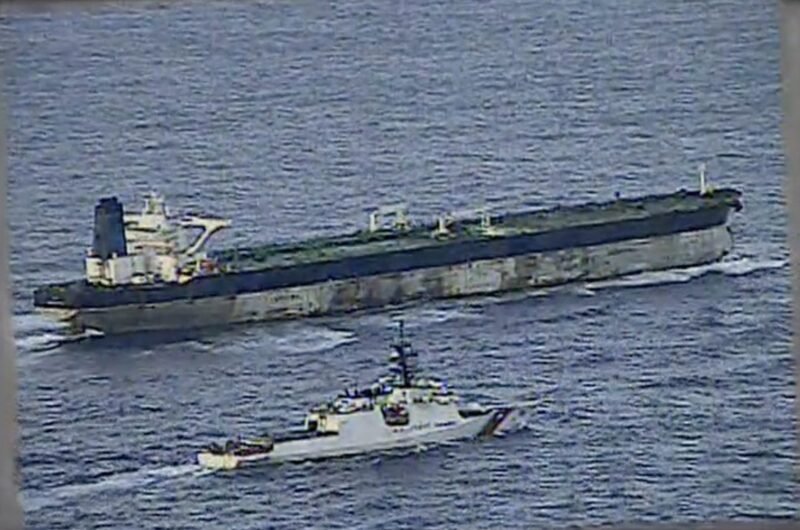
Experts estimate that over 3,000 vessels may be operating without oversight, often described as “ticking time bombs.” The disabling or manipulation of Automatic Identification Systems (AIS) leads to data erosion, creating a “dark data” environment that hampers risk assessment. This lack of visibility can distort global trade data, increasing uncertainty and costs in maritime commerce.
To combat this, visual intelligence technologies that integrate multiple sensor inputs are essential for validating vessel presence when digital signals fail. As some vessels are scrapped discreetly and others abandoned, the risk of unrecorded incidents rises, hindering safety learning. Restoring visibility is crucial for informed decision-making and risk management. Operators must adopt practices like visual verification and data sharing to navigate safely in an increasingly opaque environment.