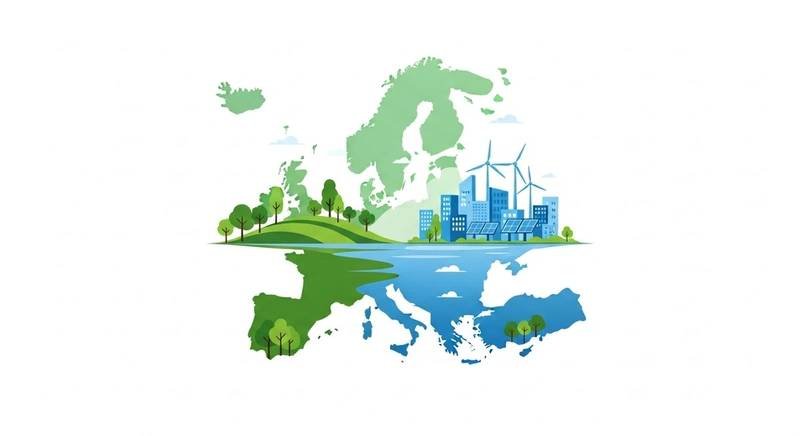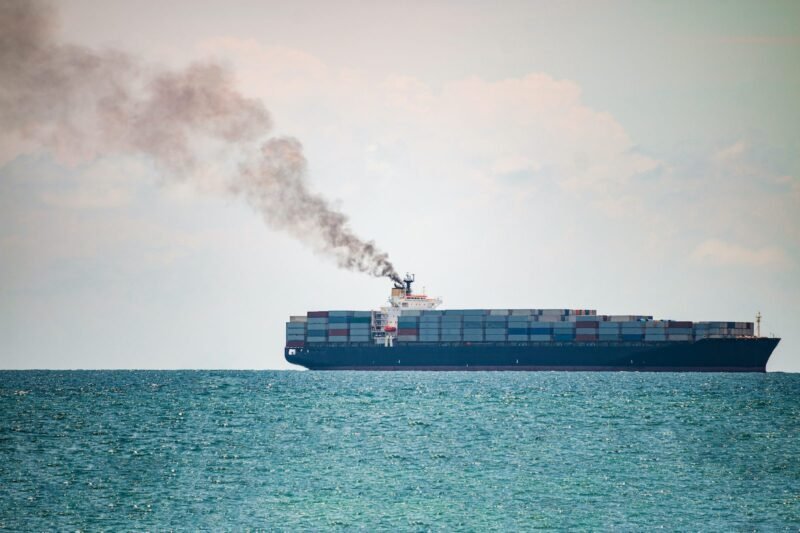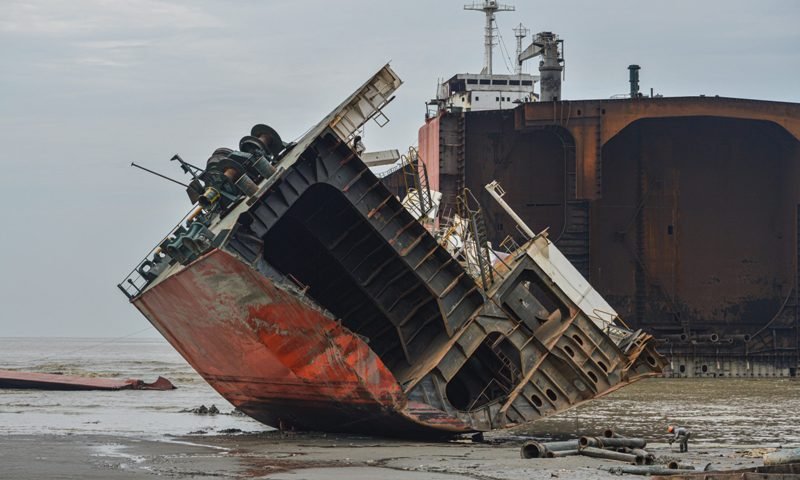
The NGO Shipbreaking Platform, in partnership with Sandbag and the University of Tuscia, has released a report emphasizing the potential of scrap steel from decommissioned ships to aid the European steel industry’s decarbonization. As Europe aims to meet its climate targets, it is crucial for the steel sector to transition from carbon-intensive blast furnace methods to low-carbon electric arc furnace technology, which heavily relies on high-quality scrap steel. The report argues for enhancing ship recycling capacity within the EU to secure this resource.
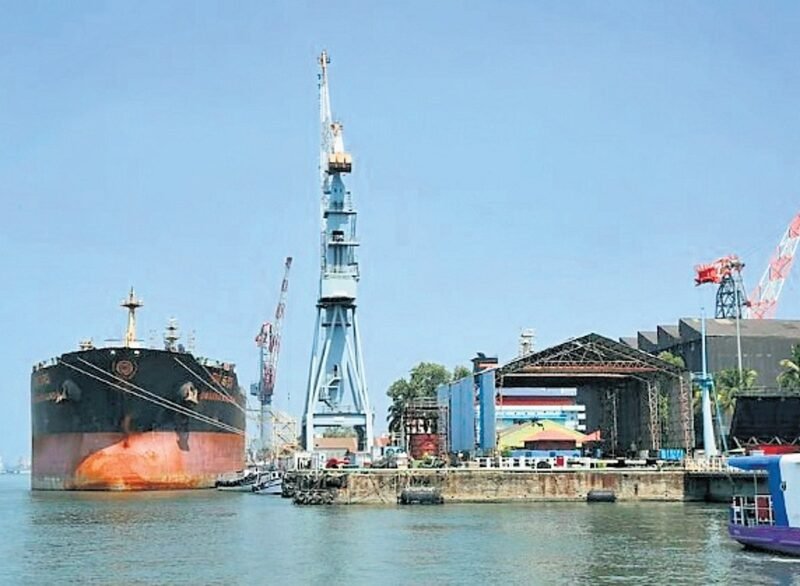
Benedetta Mantoan, Policy Officer at the NGO Shipbreaking Platform, highlights that Europe possesses a significant reservoir of high-quality ship steel, currently processed unsafely abroad. With appropriate policies—such as improved traceability and financial incentives—ship scrap could become integral to a circular, low-carbon steel economy, presenting both environmental and strategic benefits for the industry.
The report also showcases innovations in digital material traceability and reuse initiatives, illustrating how collaboration among the maritime, steel, and construction sectors can promote circular solutions. However, Mantoan stresses that without proper data on steel composition, much of its value is lost, hindering its integration into European industries.
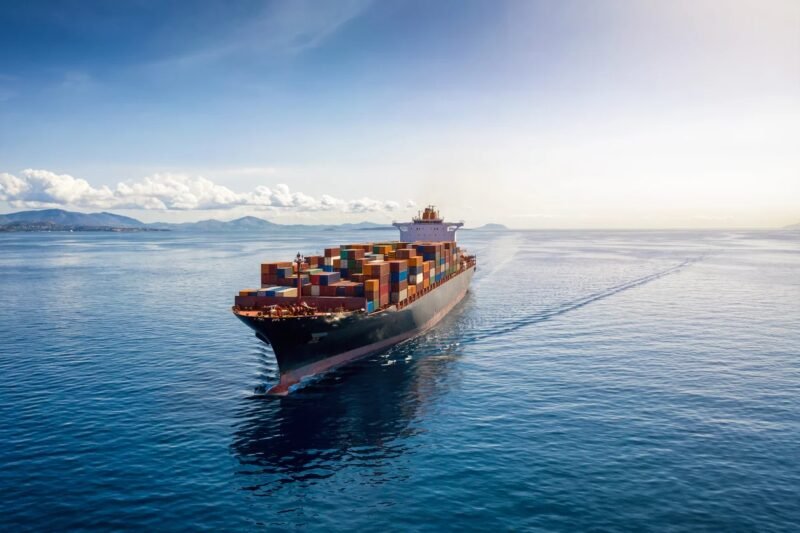
Currently, only 1% of European ships are recycled in the EU, despite the potential to recover 70–95% of a ship’s weight as scrap. Recycling ship steel can significantly reduce CO₂ emissions and conserve resources. Upcoming EU policies should explicitly endorse sustainable ship recycling to align with circular economy principles.
Share it now