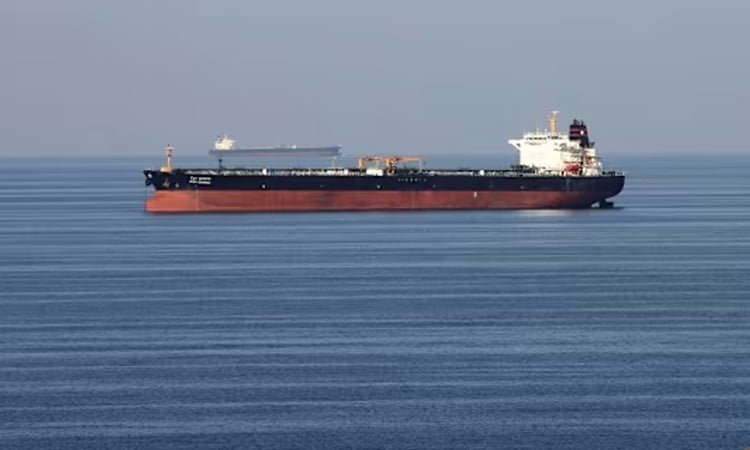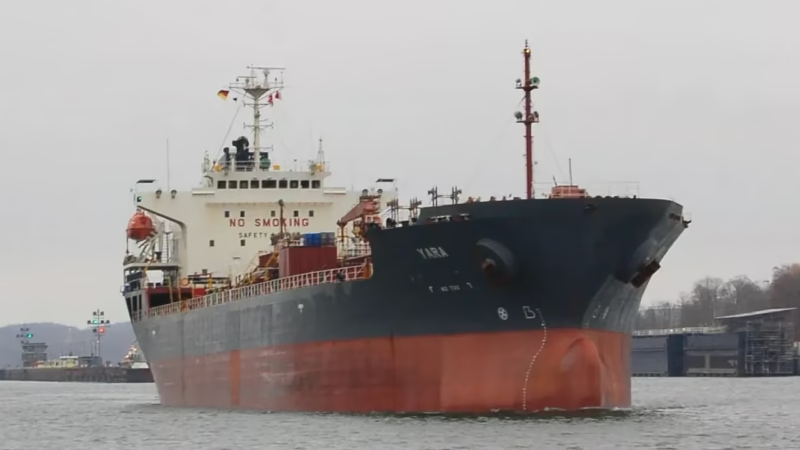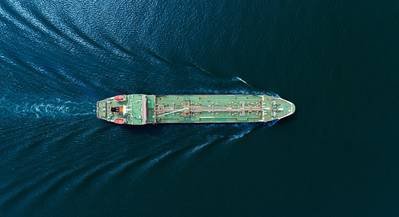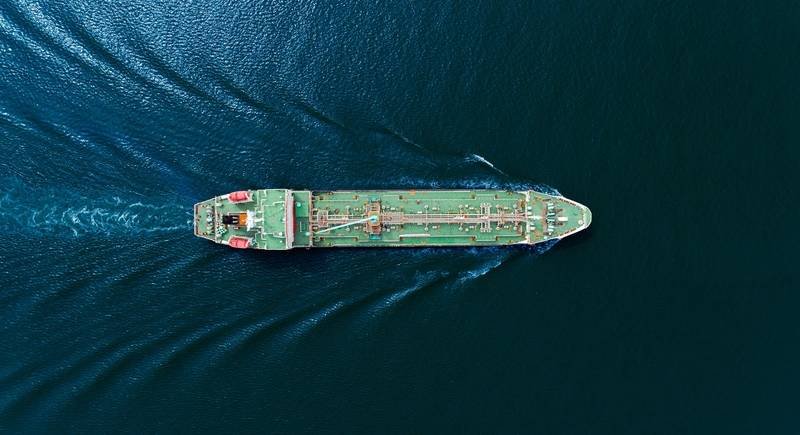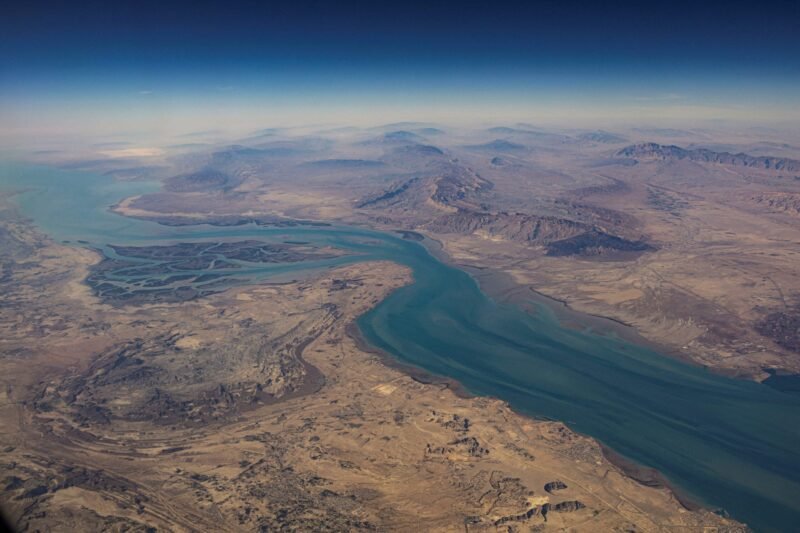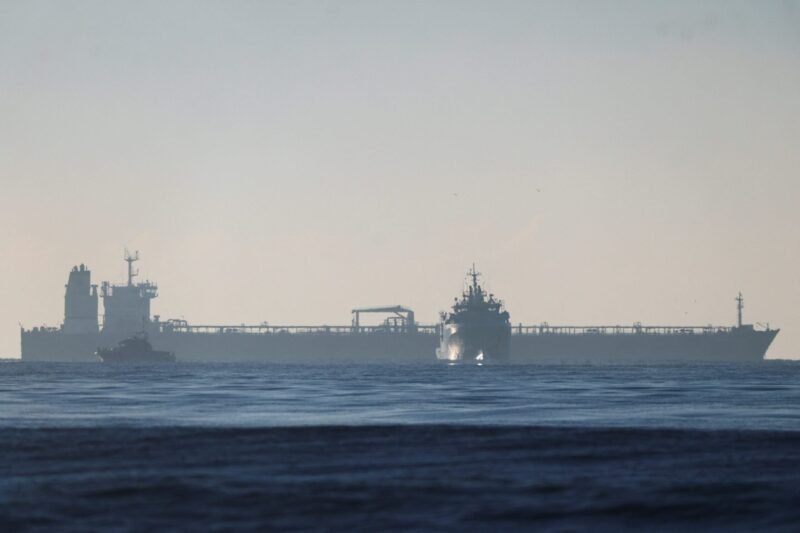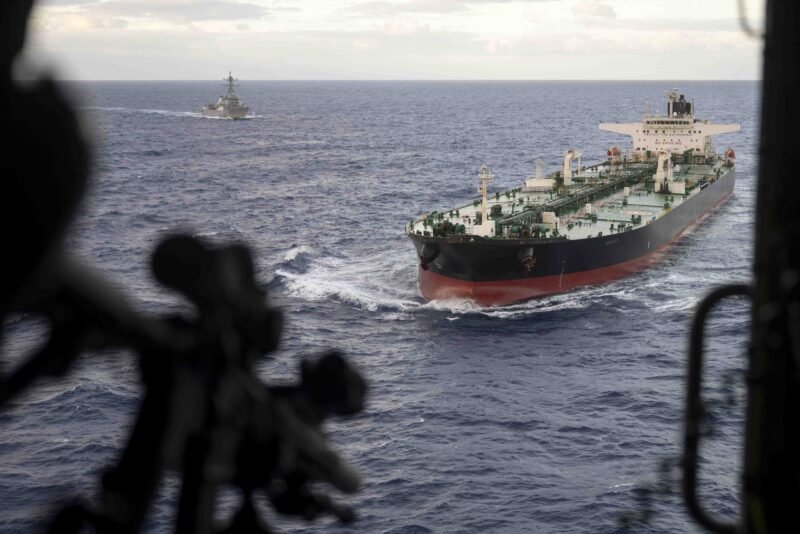
U.S. forces successfully intercepted the sanctioned tanker Aquila II in the Indian Ocean, concluding a weeks-long pursuit that began in the Caribbean and covered over 10,000 nautical miles. This operation, executed under the U.S. Indo-Pacific Command, is one of the longest maritime enforcement efforts related to Washington’s crackdown on the shadow fleets associated with Russia and Venezuela. U.S. officials tracked the tanker throughout multiple ocean basins after it left Venezuelan waters earlier this year.
Military authorities highlighted that this interdiction is part of an ongoing strategy to enforce sanctions and deter the movement of blocked oil in global markets, even beyond the Western Hemisphere. The U.S. Department of War stated on social media, “No other nation on planet Earth has the capability to enforce its will through any domain,” emphasizing their commitment to pursuing sanctioned vessels.
The Aquila II, linked to Russia’s energy sector and designated as blocked property by the U.S. Treasury Department, was previously operating under the alias Cape Balder. It is the eighth tanker seized in a recent uptick of interdictions targeting vessels in violation of sanctions. The series of seizures has intensified since President Trump announced a complete blockade on sanctioned oil tankers from Venezuela.
Russia has condemned these actions as illegal, warning of possible retaliation against U.S.-flagged vessels. Meanwhile, U.S. Southern Command insists that these seizures are lawful efforts to enforce sanctions and curb revenue streams associated with the shadow fleet operations, indicating a determined expansion of U.S. enforcement activities.
Share it now