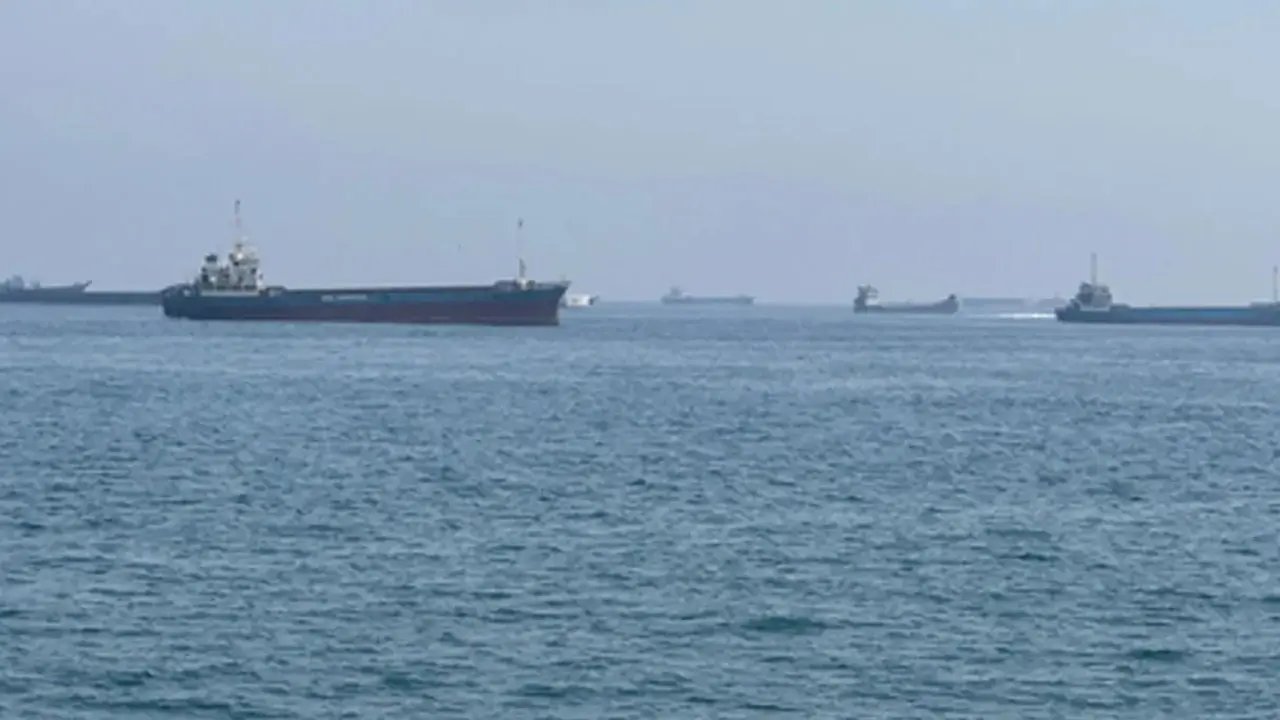
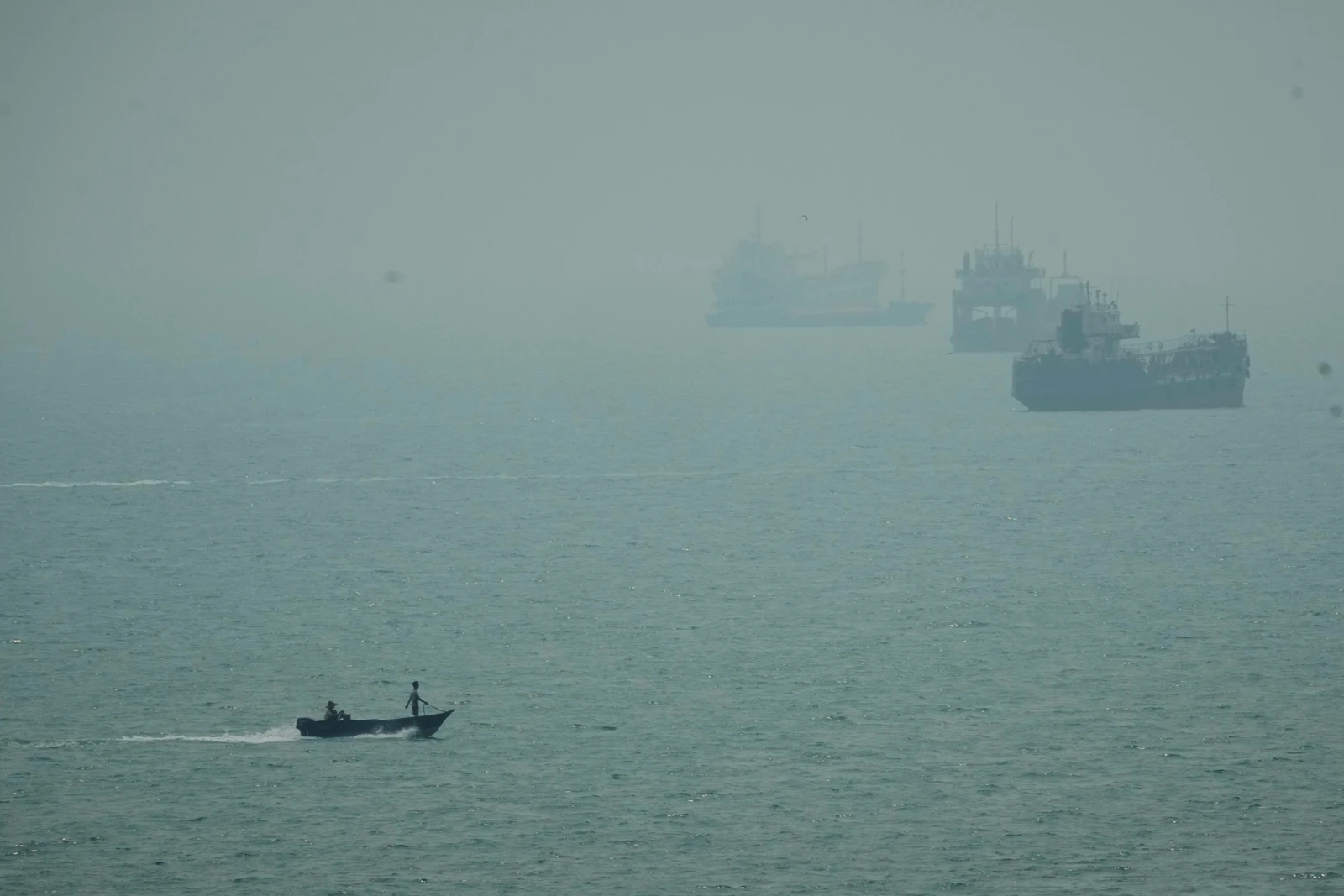
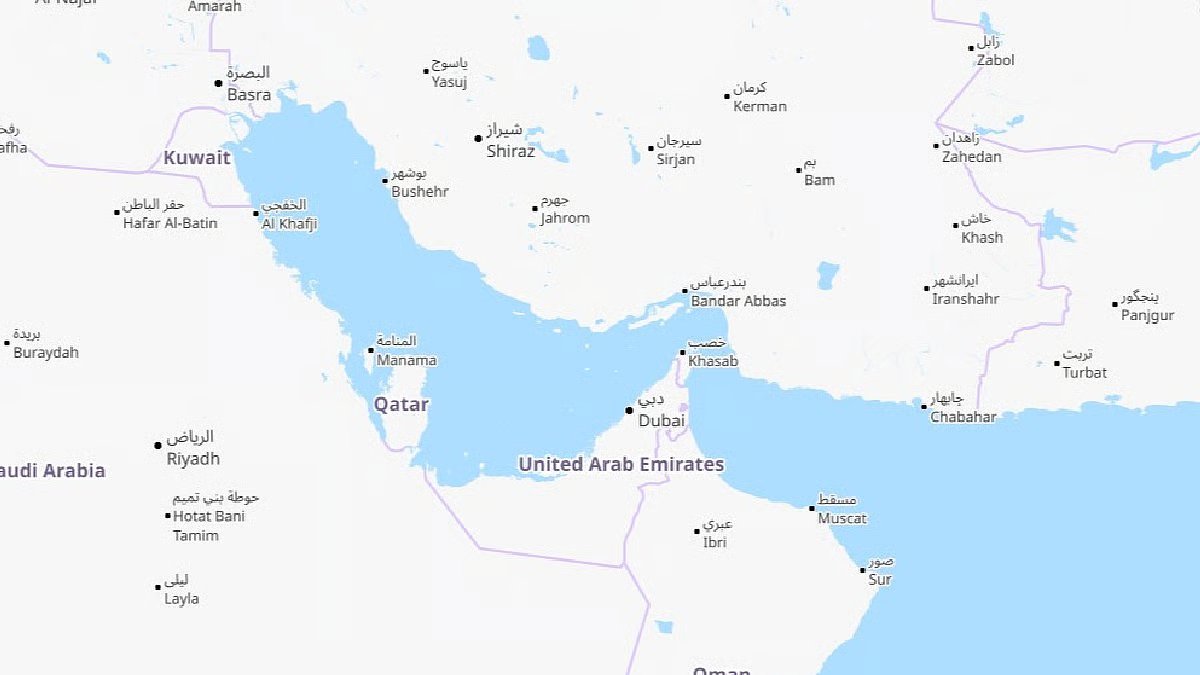
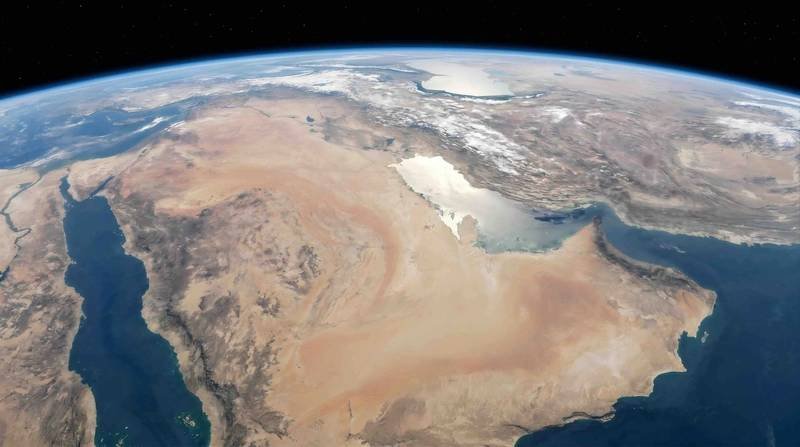
NATO allies have opted out of U.S. President Donald Trump’s proposed blockade of the Strait of Hormuz, instead choosing to intervene only after hostilities cease. This decision is likely to escalate tensions within the alliance, as Trump recently announced plans for a military blockade to control maritime traffic linked to Iran, following failed negotiations to end a six-week conflict. The U.S. intends to initiate this blockade on Monday, specifically targeting ships traveling to or from Iranian ports.
Since the conflict’s onset, Iran has effectively restricted the strait, asserting its control and potentially seeking to levy fees on passing vessels. NATO members, including the UK and France, expressed their intention to work toward re-opening the strait, which is crucial for global oil supply. British Prime Minister Keir Starmer emphasized that they would not enter the war, regardless of external pressures. Instead, they are focusing on establishing a multinational mission for safe navigation in the region.
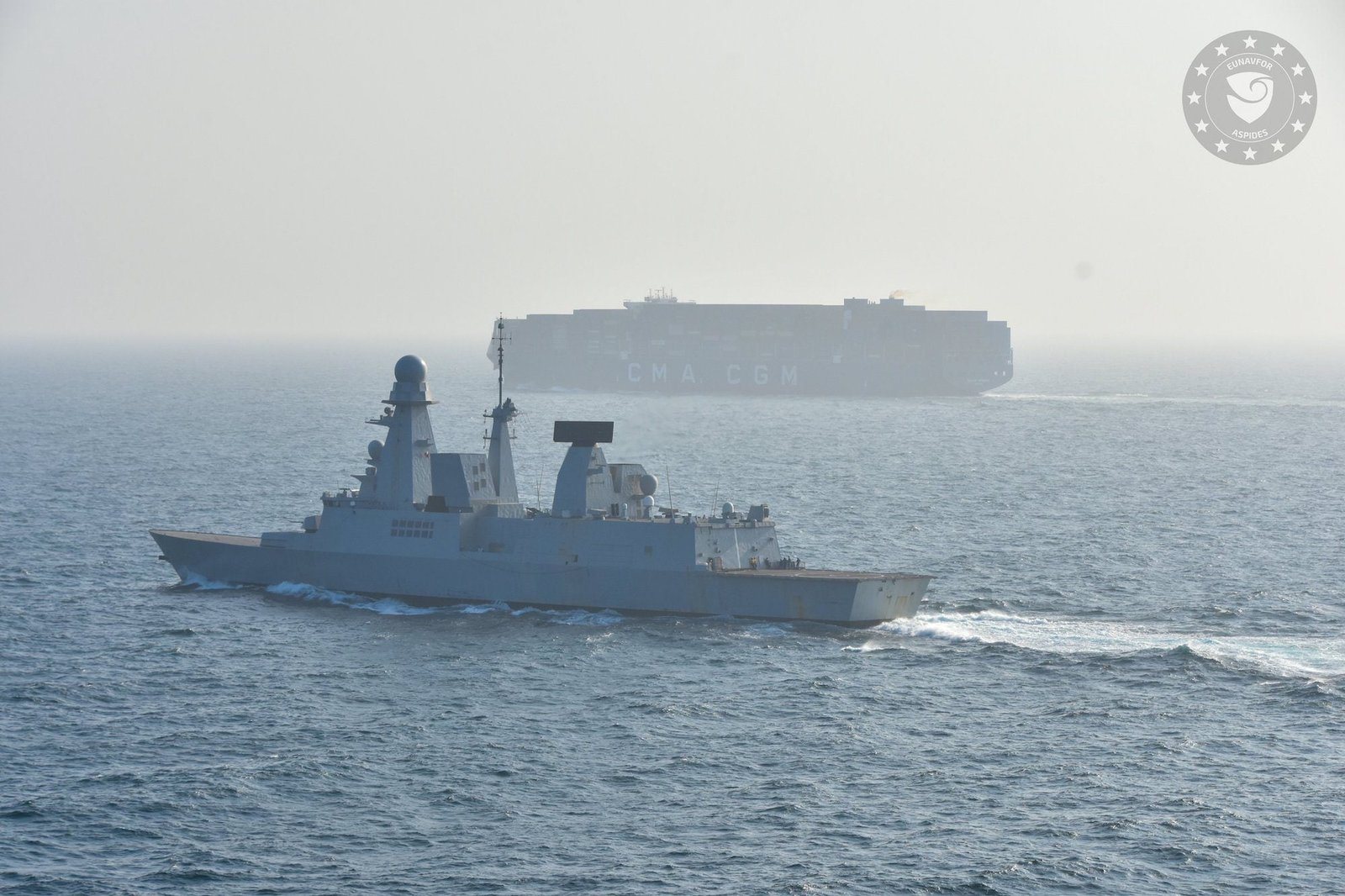
French President Emmanuel Macron announced plans to convene a conference to form a mission aimed at restoring maritime security in the strait, contingent on a resolution to hostilities. Military vessels involved would prioritize protective measures without escalating conflict and would inform Iran and the U.S. of their operations, although these countries would not participate directly. Whether Trump will support this initiative remains uncertain, given his recent calls for a blockade. Meanwhile, Turkey stresses the need for diplomatic avenues to reopen the Strait of Hormuz.




![Port of NEOM development area in focus at Oxagon[34].jpg](https://crewmirror.com/wp-content/uploads/2023/05/The-port-of-NEOM-in-Saudi-Arabia-is-open-for.jpg)