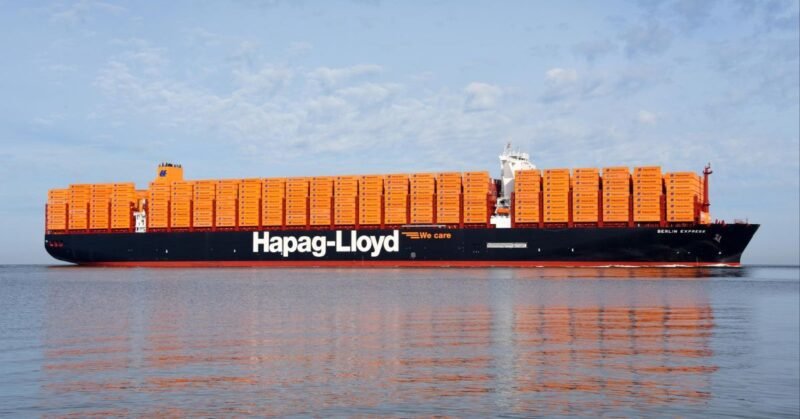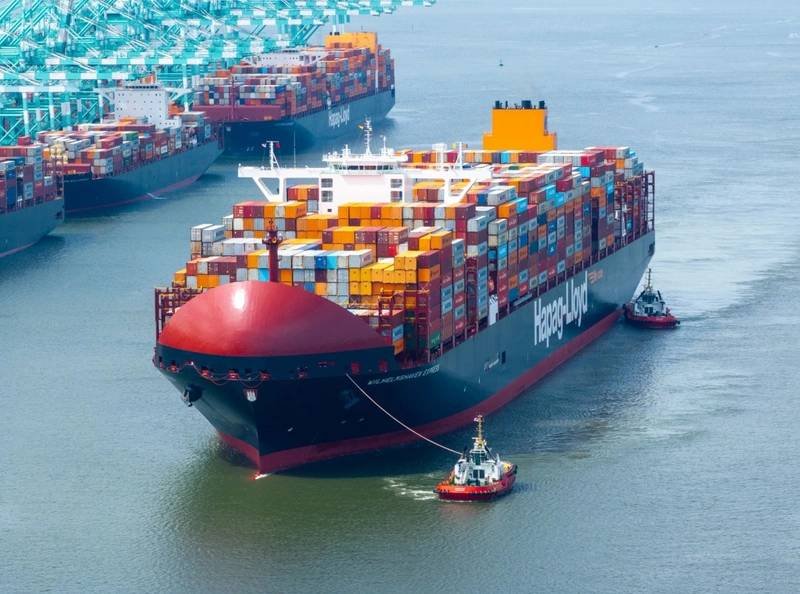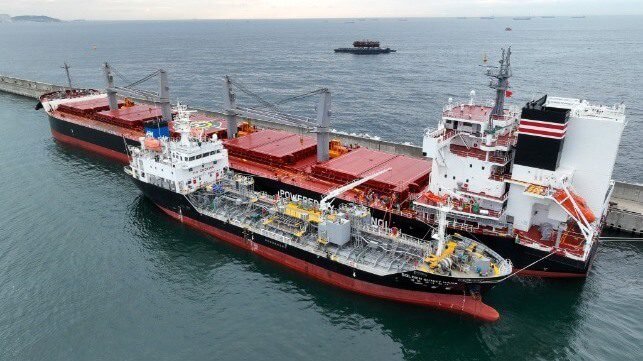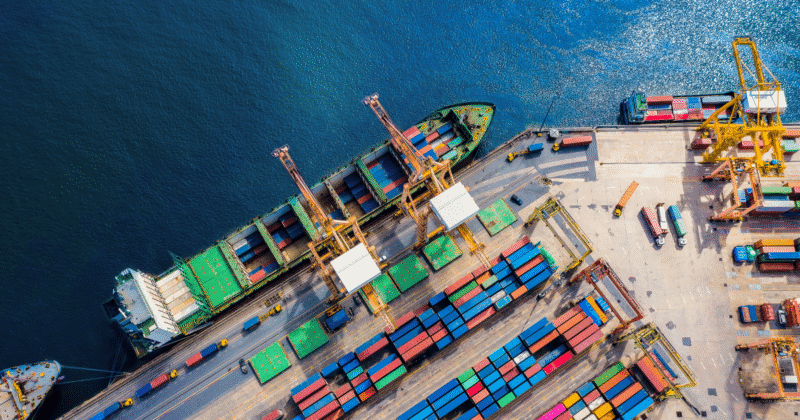
Shipping companies Hapag-Lloyd and North Sea Container Line (NCL) have secured a tender to utilize low-emission fuels derived from hydrogen for container ships starting in 2027, aimed at reducing CO2 emissions over a three-year period. Hapag-Lloyd plans to fuel five large container ships with approximately 70,000 metric tons of e-methanol, while NCL will refuel a smaller vessel with around 25,000 tons of e-ammonia. This initiative follows a tender organized by the Zero Emission Maritime Buyers Alliance (ZEMBA).
The agreed volumes are notable, given the current minimal use of such fuels within the shipping industry. ZEMBA, which includes major companies like Amazon and IKEA, connects businesses willing to pay a premium for low-emission deliveries with operators capable of using these alternative fuels. This move comes after the International Maritime Organization postponed a global carbon pricing decision, responding to U.S. pressures.
The shipping sector faces significant challenges in emission reductions, often requiring expensive retrofits or new vessels designed for e-fuels. ZEMBA President Ingrid Irigoyen highlighted that while e-fuels are available at viable costs, increased demand could enhance supply. Goldwind and Yara Clean Ammonia are expected to supply the respective fuels for Hapag-Lloyd and NCL.