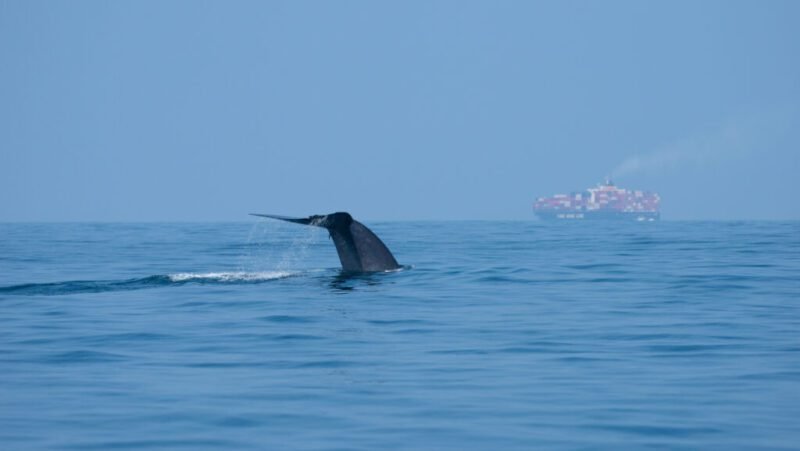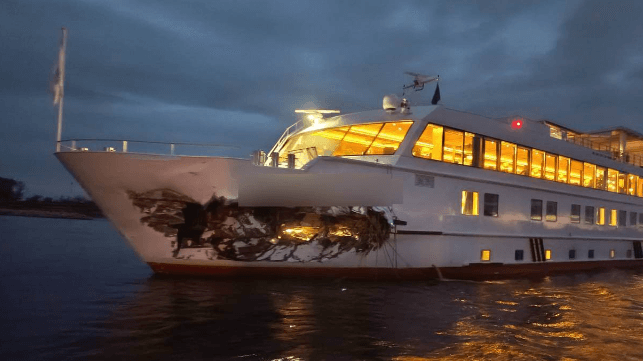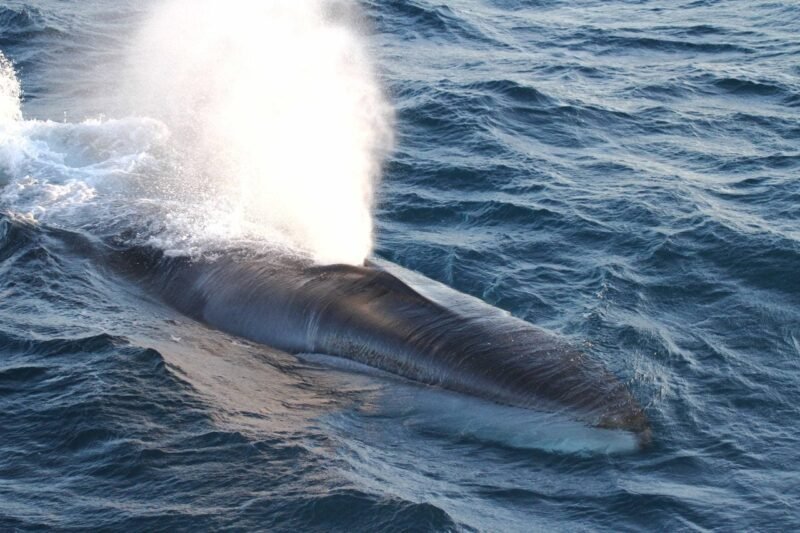
Increased activity of fin whales, the world’s second-largest whale species, along Chile’s northern coast during the feeding season is raising concerns about potential ship collisions and entanglements with fishing nets, according to marine experts and conservationists. The Mejillones and Antofagasta bays, enriched with nutrients, typically witness an influx of fin whales from October to January. This area has also become a focal point for maritime accidents involving these whales, leading advocates to demand enhanced habitat protections.
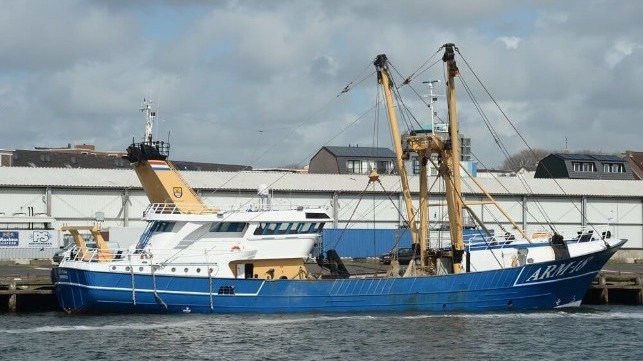
Marine ecologist Christian Guerra highlighted that Chile records a significant number of whale collisions, placing it in a negative position globally concerning strandings and accidents. To address these dangers, the Antofagasta Cetacean Observation Network, a volunteer group, monitors whale activity. Alex Sanchez, a member of the network, pointed out that in addition to ship collisions, fishing nets from large operations often ensnare these marine mammals.
Evidence of such threats was starkly illustrated when drone footage revealed a whale carcass washed ashore in Algarrobo, south of Mejillones. Silvana Espinoza, an ecosystem expert at Greenpeace, underscored the whales’ critical role in climate regulation and nutrient distribution, reinforcing the need for protective measures.