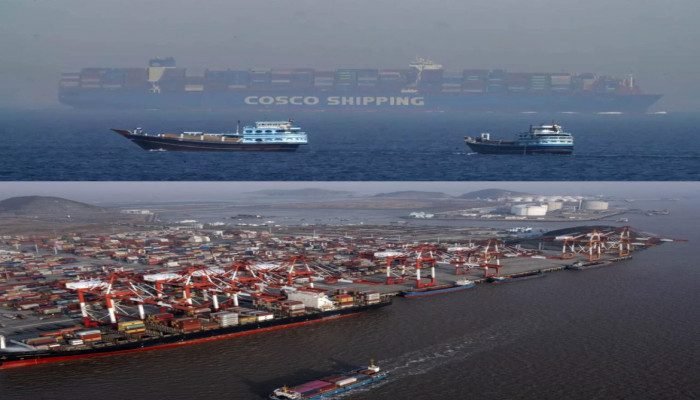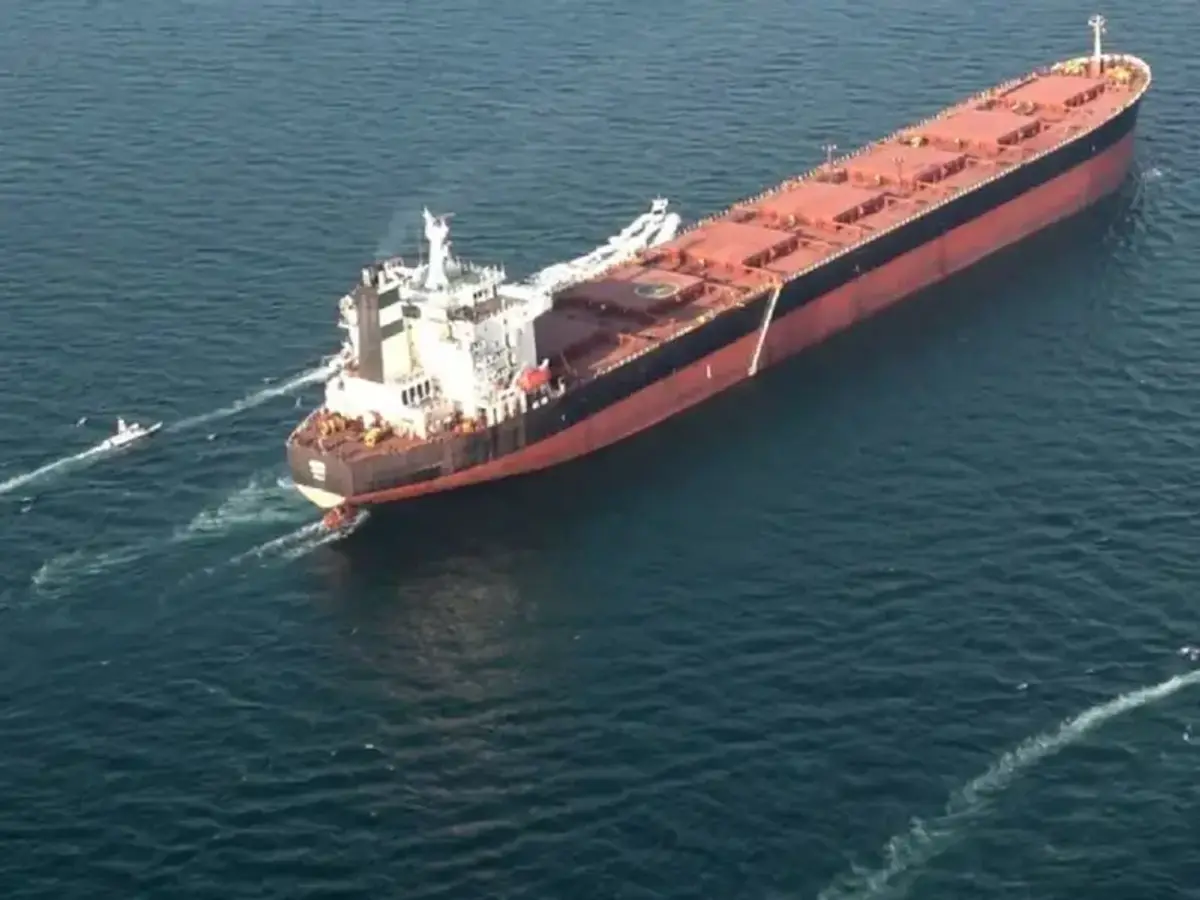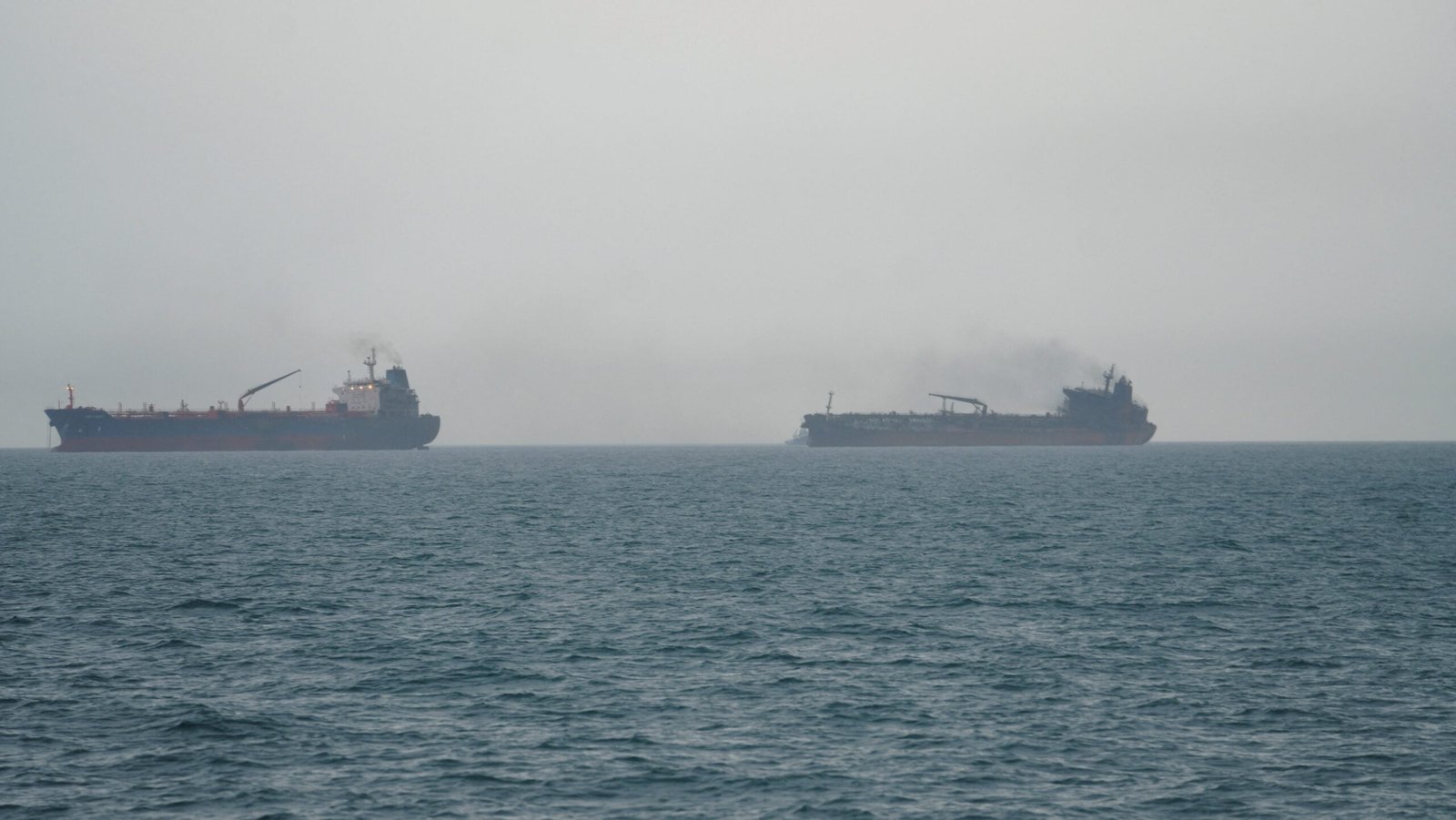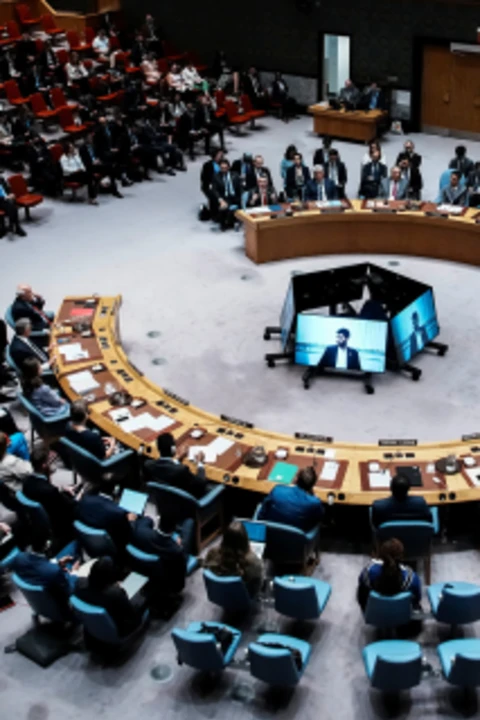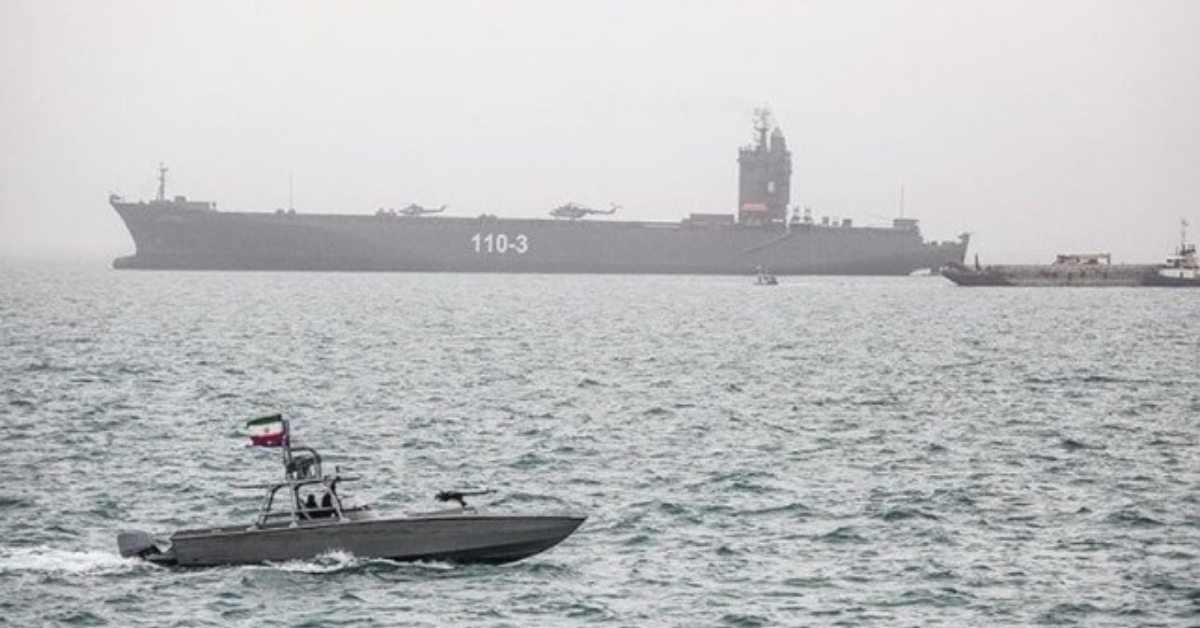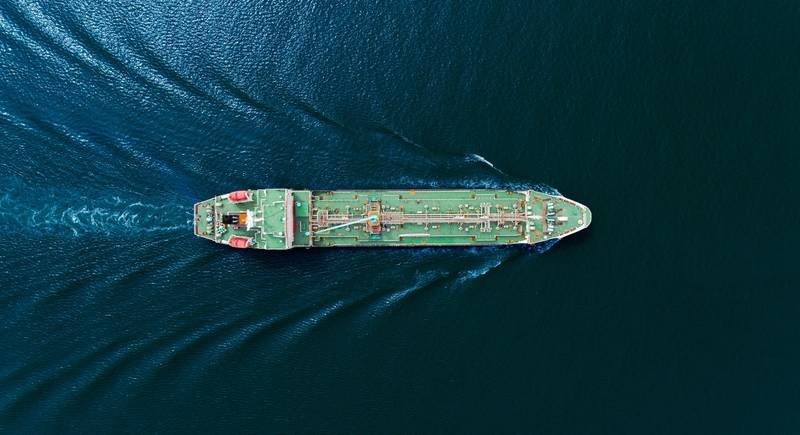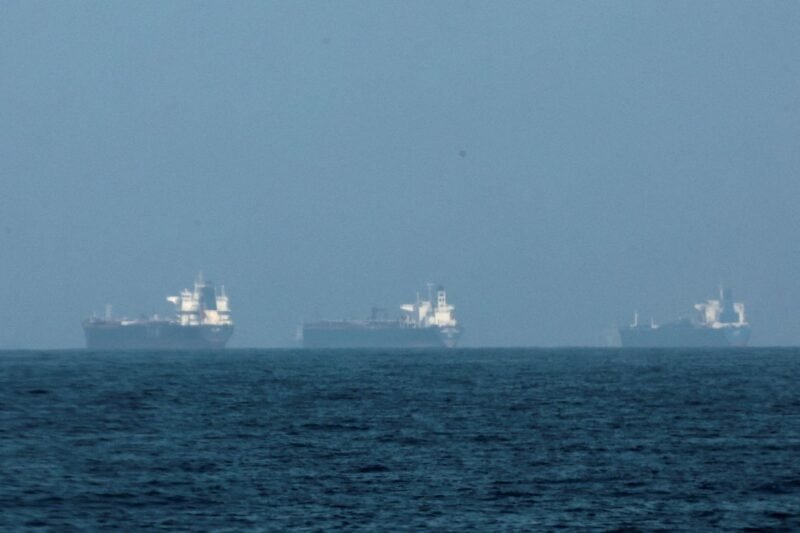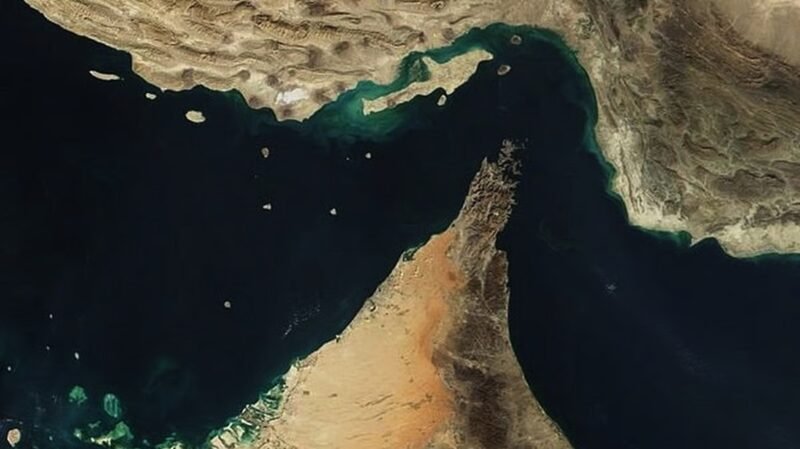
The United States and Iran have reached a temporary ceasefire and a partial reopening of the Strait of Hormuz, marking a significant diplomatic milestone following a crisis that disrupted global shipping. President Donald Trump announced the U.S. would pause bombing operations against Iran for two weeks, provided Iran reopens the Strait. In response, Iran confirmed vessel transits during this time, but specified that these would occur in coordination with its armed forces.
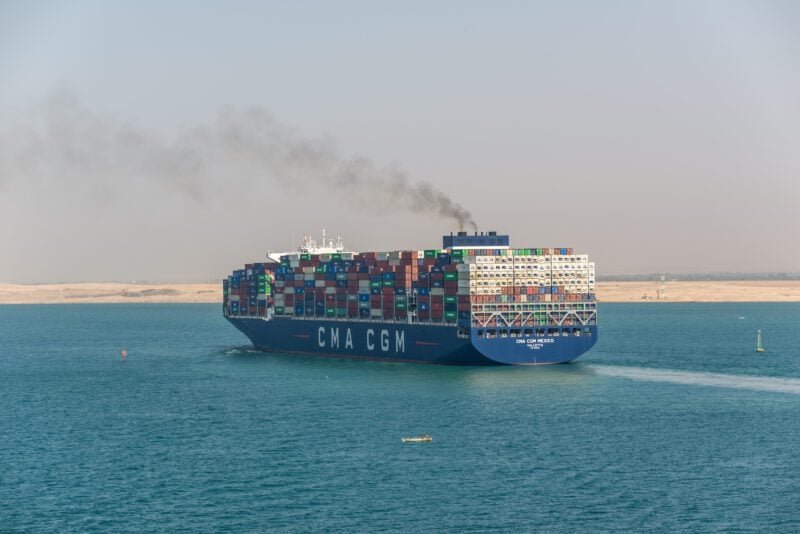
This agreement, facilitated by Pakistan, represents the first tangible progress towards a broader negotiation framework involving Iran’s “10-point proposal.” The U.S. characterized the deal as ensuring the “complete, immediate, and safe opening” of a vital shipping route that carries about 20% of the world’s oil supply. However, Iran’s conditions for passage suggest potential oversight, raising concerns among shipping stakeholders about possible restrictions and continued elevated war-risk premiums.
The core of the negotiations includes a comprehensive Iranian proposal advocating for a permanent ceasefire, a full reopening of the Strait with Iranian oversight, sanctions relief, and acknowledgment of Iran’s regional influence. While the U.S. has deemed the proposal a “workable basis” for discussions, it remains uncertain if broader terms beyond the ceasefire will be accepted.
Despite the ceasefire, the situation remains precarious. Iran’s requirement for controlled passage could reshape the nature of the Strait from an open waterway to a regulated corridor, fundamentally altering global shipping dynamics. If the temporary measures hold, it may foster a more extensive diplomatic resolution; if not, tensions could escalate further, leaving the maritime industry in a state of flux.
Share it now