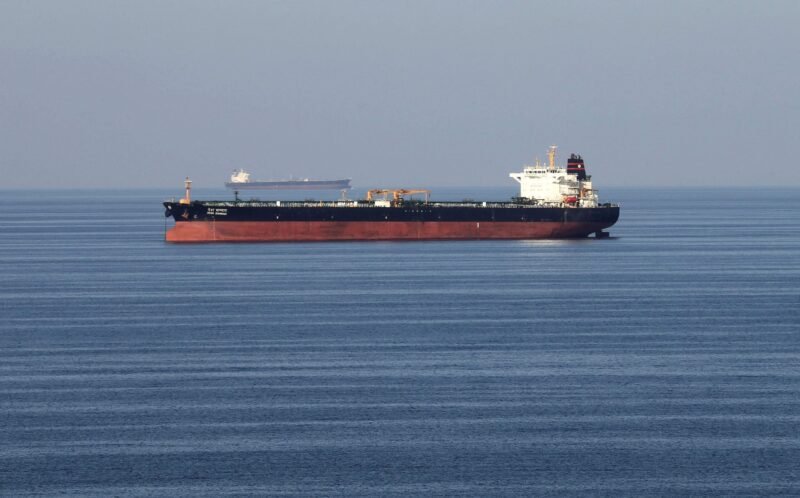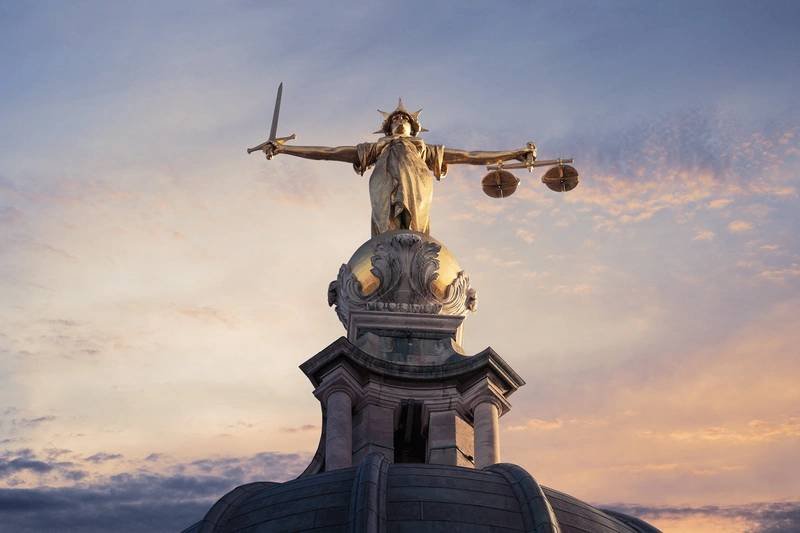
Captain Vladimir Motin received a six-year prison sentence for “gross negligence manslaughter” related to the container ship Solong’s collision with the anchored tanker Stena Immaculate in March 2025. Justice Andrew Baker noted that Motin’s complacency led to the accident, emphasizing he was a “serious accident waiting to happen.” In stark contrast, Chief Mate Ali Albokhari, currently serving a 30-year sentence in Turkey for drug smuggling, was convicted without direct evidence linking him to the seized drugs. The Phoenician M, where the incident occurred, had cocaine discovered by Colombian police, yet no forensic evidence tied the crew to the drugs, highlighting potential judicial inconsistencies.
David Hammond of Human Rights at Sea stressed the need for transparent judicial processes and proportional sentencing. The disparity between Motin’s case and Albokhari’s raises concerns about how seafarers are treated in different jurisdictions, undermining fundamental rights protections. While there was clear evidence against Motin, Albokhari faces severe penalties despite a lack of evidence. Albokhari’s wife, Elena, expressed her heartbreak over the judicial disparities, noting her husband’s critical condition and isolation in prison, while she believes her family deserves dignity and fairness under international law.
This prevailing inconsistency raises major issues about the treatment of seafarers during legal proceedings. Industry experts, including Steven Jones, argue for a fair legal process and proportionality in punishment, warning that severe repercussions for reporting criminal activity could dissuade seafarers from acting in good faith. According to Jones, the failure to balance justice and mercy erodes trust in the legal system, particularly among vulnerable maritime workers. Finally, Hammond suggests reviewing the principle of “command responsibility” to ensure accountability extends beyond seafarers to the states and employers involved.
Related posts:
 Pilbara Ports Enhances Internet Access for Seafarers with New Mobile WiFi System
 International Bargaining Forum Secures 3.5% Wage Increase for Seafarers Globally
 Celebrating the Resilience and Contributions of Seafarers on International Day of the Seafarer
 IMO Chief Strongly Denounces Violence Against Seafarers in Recent Attacks