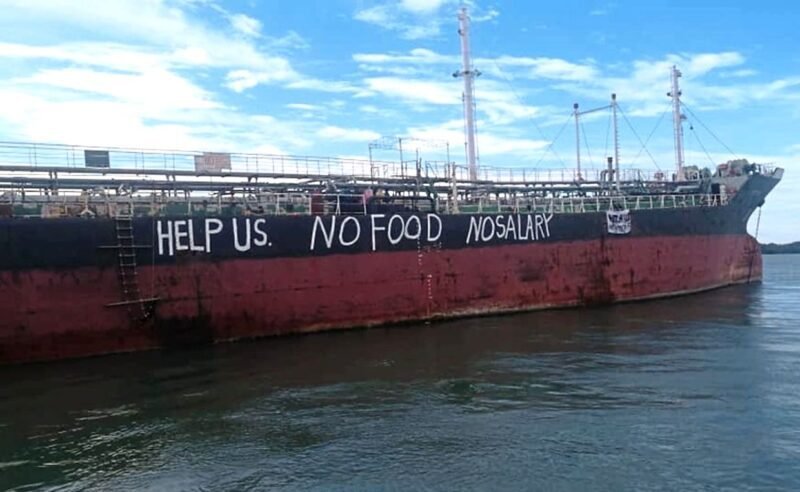
Kenya’s Merchant Shipping Act of 2009 is fundamentally flawed, particularly in its failure to protect abandoned seafarers, especially those on Kenyan-flagged fishing vessels. Initially designed to modernize maritime governance and align with international labor standards, the Act falls short in addressing the issue of abandonment, revealing a legislative inadequacy with serious human implications. The law’s narrow definition of ‘seafarer’ and its outdated provisions primarily cater to traditional merchant shipping, sidelining fishing crews who lack adequate labor protections.
This legislative gap creates a discriminatory two-tier system: while abandonment on merchant vessels prompts statutory responses, fishing vessel abandonment often leads to bureaucratic confusion. Key sections of the Act impose obligations on employers regarding relief and repatriation, yet they do not explicitly extend these protections to fishers. Consequently, abandoned fishers find themselves in a legal void, relying on inconsistent administrative goodwill rather than enforceable rights.
Despite Kenya’s ratification of the ILO Work in Fishing Convention (C188) in 2022, the structural deficiencies of the Merchant Shipping Act remain unaddressed. The implementation of C188 through the Fisheries Management and Development Act of 2016 has resulted in a fragmented legal framework, complicating enforcement and diluting accountability. To rectify this, urgent amendments to the Merchant Shipping Act are essential, including the inclusion of fishers in the definition of seafarers and the establishment of a clear enforcement pathway. Without decisive action, abandonment will persist as a significant issue in Kenya’s maritime sector.