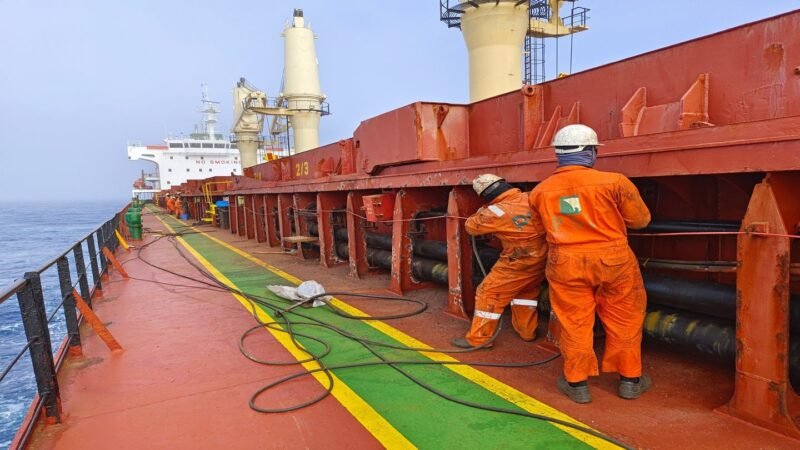
An annual survey encompassing responses from seafarers globally, primarily Eastern Europeans and Filipinos, underscores the necessity for ongoing investment in personnel to ensure the maritime industry’s future workforce. While wages have stabilized across various ranks, seniority bonuses are becoming increasingly prevalent. Experienced second engineers have seen significant pay increases due to heightened demand, and senior roles among ratings, such as bosuns and cooks, continue to attract competitive salaries.
Mental health issues are on the rise, with 44% of seafarers reporting stress during their last contract, an increase from 35% in 2024, and 16% expressing feelings of depression. However, a positive trend is emerging as more employers are enhancing crew welfare measures, with private medical insurance now benefiting 24% of seafarers and their families—up 33% since 2019. Training satisfaction has also seen improvement, with 64% of respondents finding it “very” or “extremely useful,” and a new focus on cybersecurity training has been introduced.
Retention rates are improving, as more seafarers are opting to remain with their current employers, indicating a growing sense of loyalty. Nevertheless, a concerning trend is the expectation of earlier retirements, with 42% of seafarers planning to stop sailing before age 55, potentially exacerbating the shortage of experienced personnel. Additionally, issues such as late salary payments persist, with 30% reporting delays and 9% not receiving full wages.
Henrik Jensen, Managing Director of Danica Crewing Specialists, highlighted the urgent need for the industry to address stress and early retirements, stating that while advancements in training and welfare are encouraging, comprehensive support for seafarers’ lives at sea is essential for making the profession sustainable and appealing.
Share it now
Related posts:
 Pilbara Ports Enhances Internet Access for Seafarers with New Mobile WiFi System
 International Bargaining Forum Secures 3.5% Wage Increase for Seafarers Globally
 Celebrating the Resilience and Contributions of Seafarers on International Day of the Seafarer
 IMO Chief Strongly Denounces Violence Against Seafarers in Recent Attacks