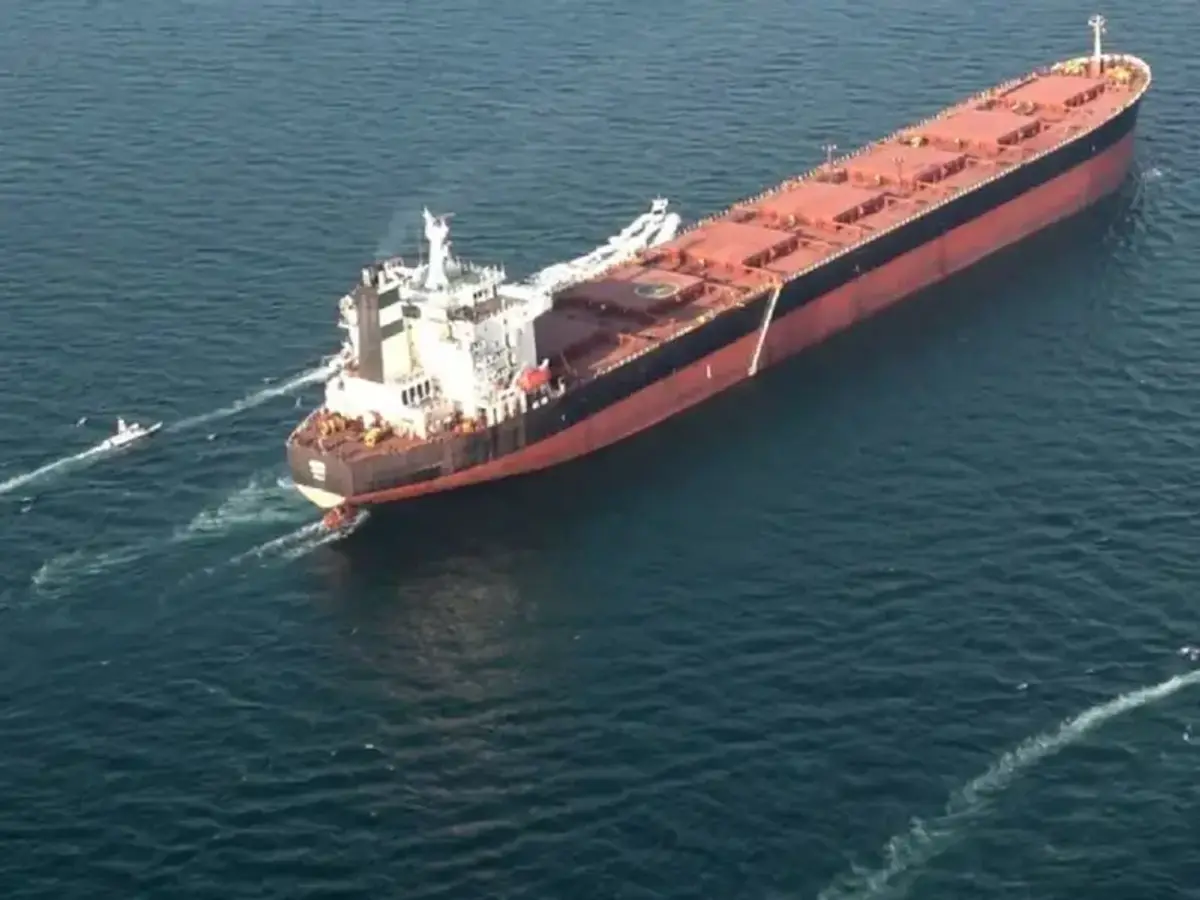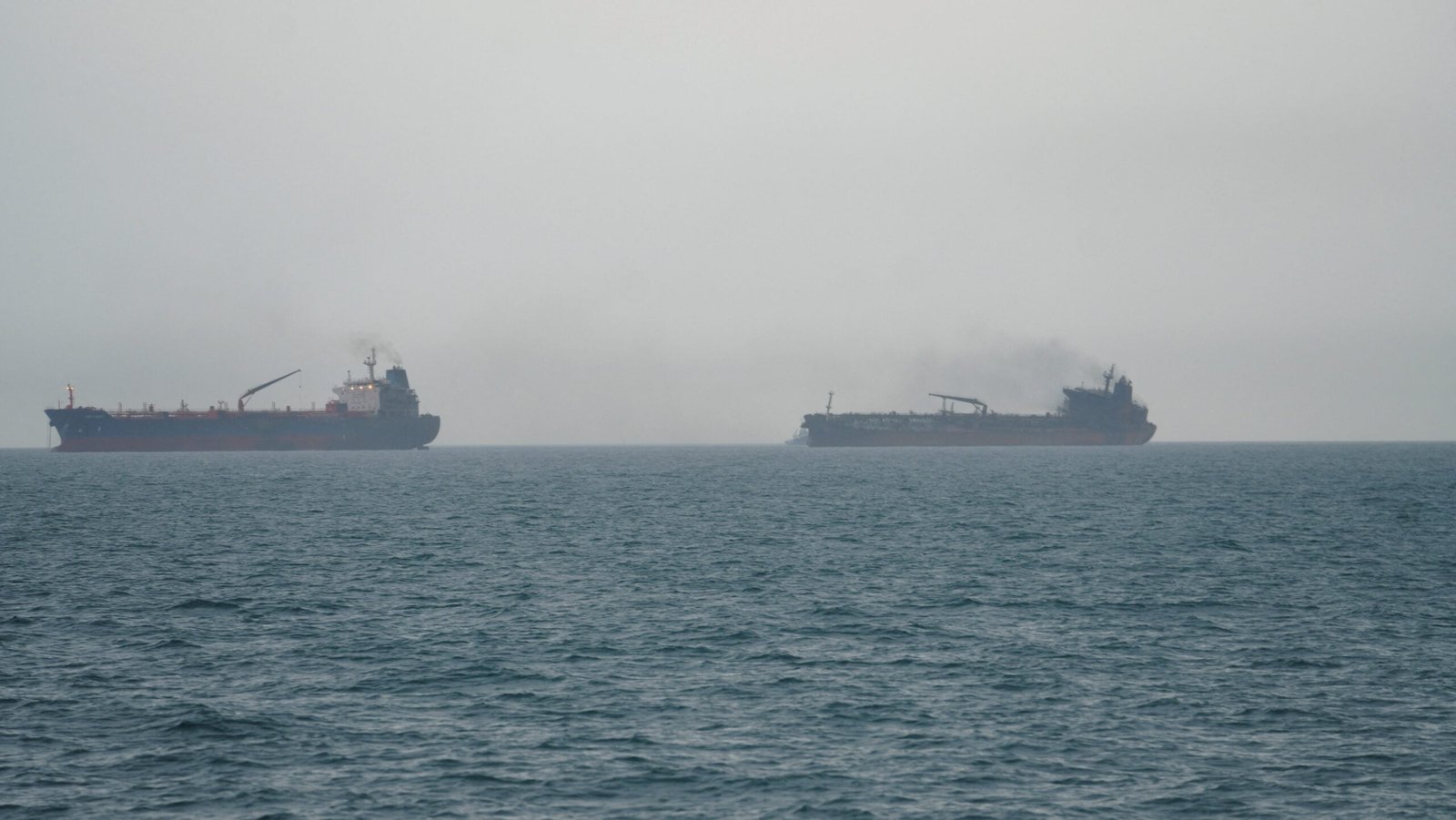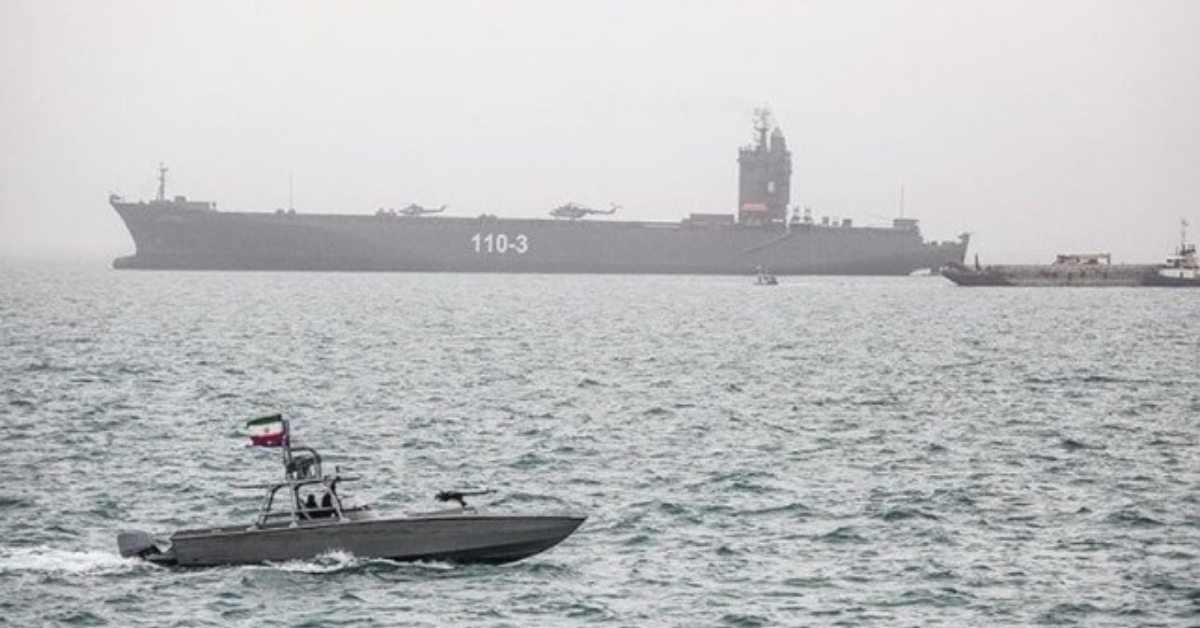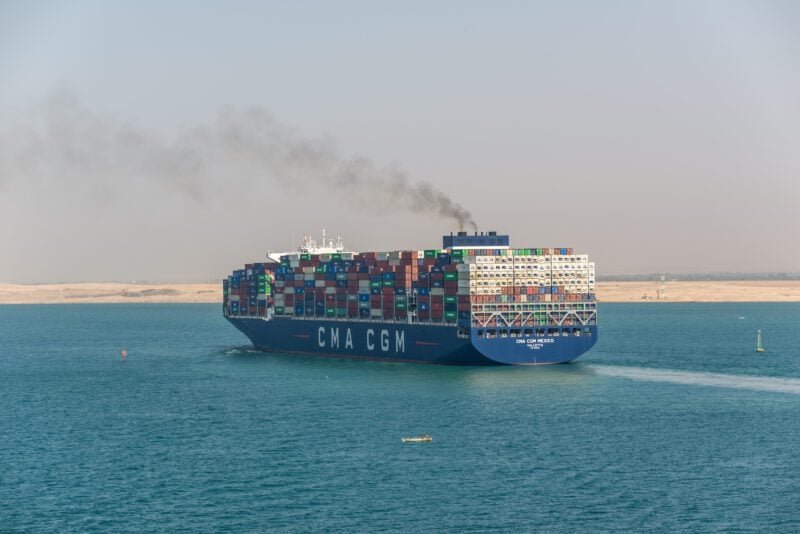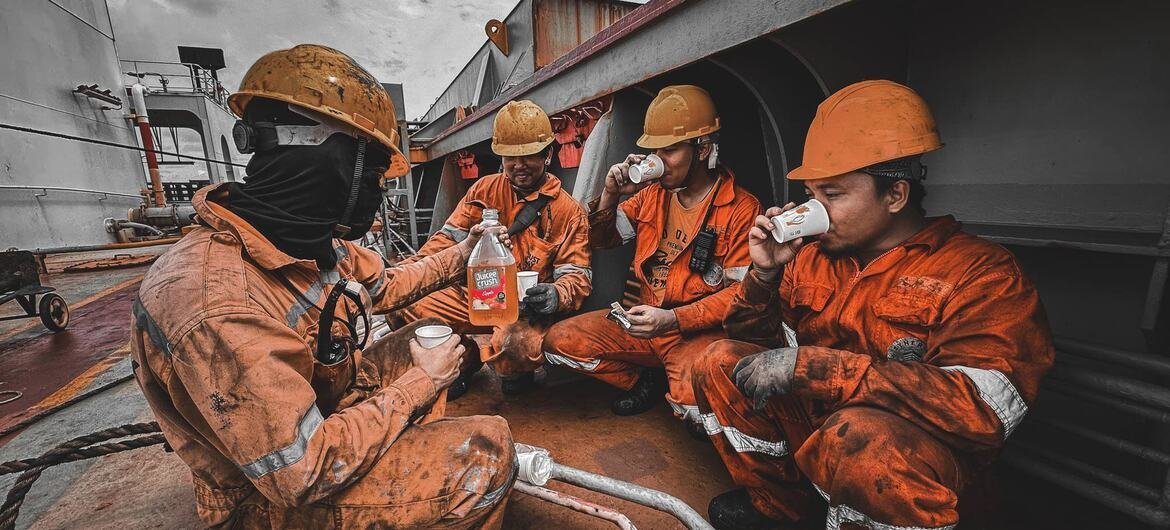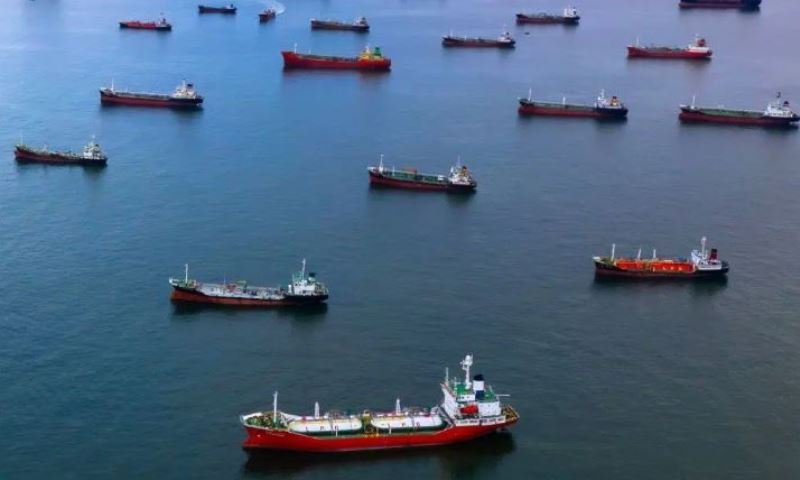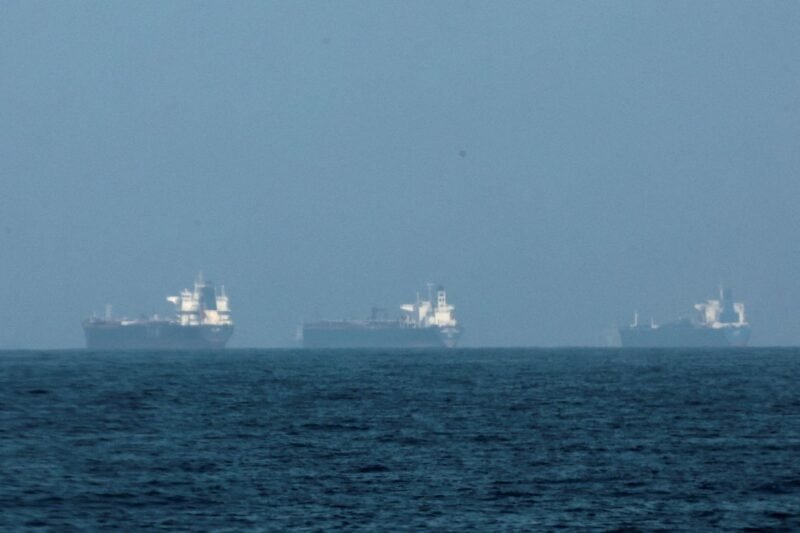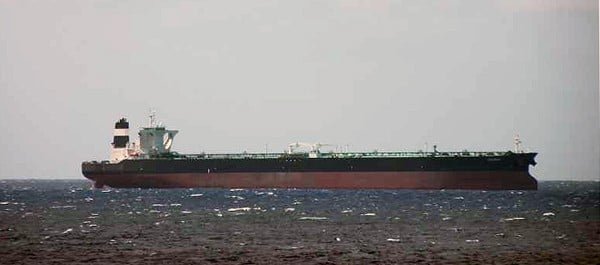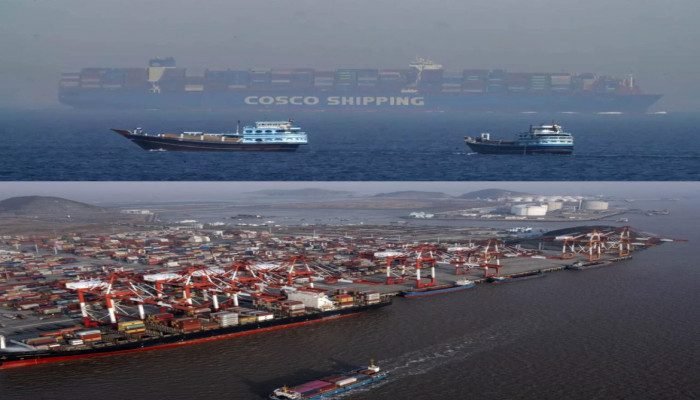
As tensions in the Strait of Hormuz continue, the focus on oil flows and geopolitical strategies has overshadowed a critical humanitarian issue: the plight of seafarers. Approximately 20,000 crew members on over 3,000 oil tankers and cargo ships are stranded at sea, unable to dock or access essential services. These workers, hailing from countries like Indonesia, the Philippines, and India, are essential to global trade yet remain largely invisible during this crisis.
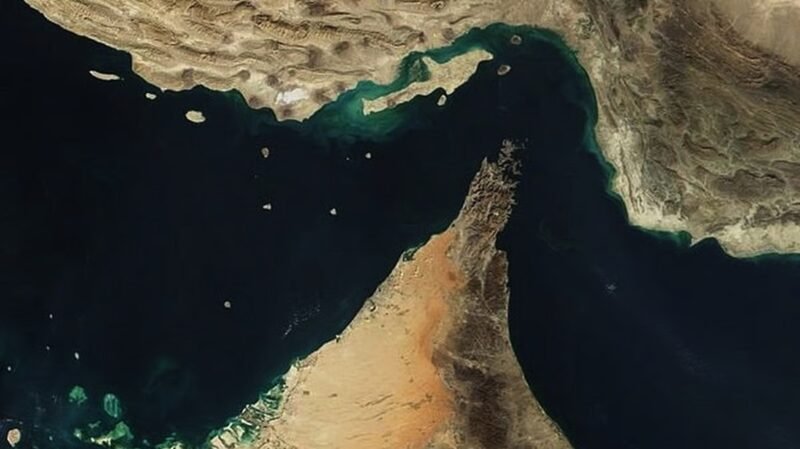
The Strait of Hormuz is vital, carrying about 20% of the world’s oil supply daily; however, it is people, not just oil, that navigate these waters. Seafarers are facing increasingly dangerous conditions, trapped in a situation not of their making. Their vulnerability is exacerbated by security restrictions, insurance issues, and the looming threat of attacks, leaving them with minimal protection.
The crisis unfolds on two fronts: those currently stranded in the strait and the broader implications for global supply chains. Supplies are dwindling, access to medical care is limited, and crew rotations have come to a standstill. The psychological impact of isolation and uncertainty weighs heavily on these essential workers, highlighting a humanitarian failure that demands urgent attention.