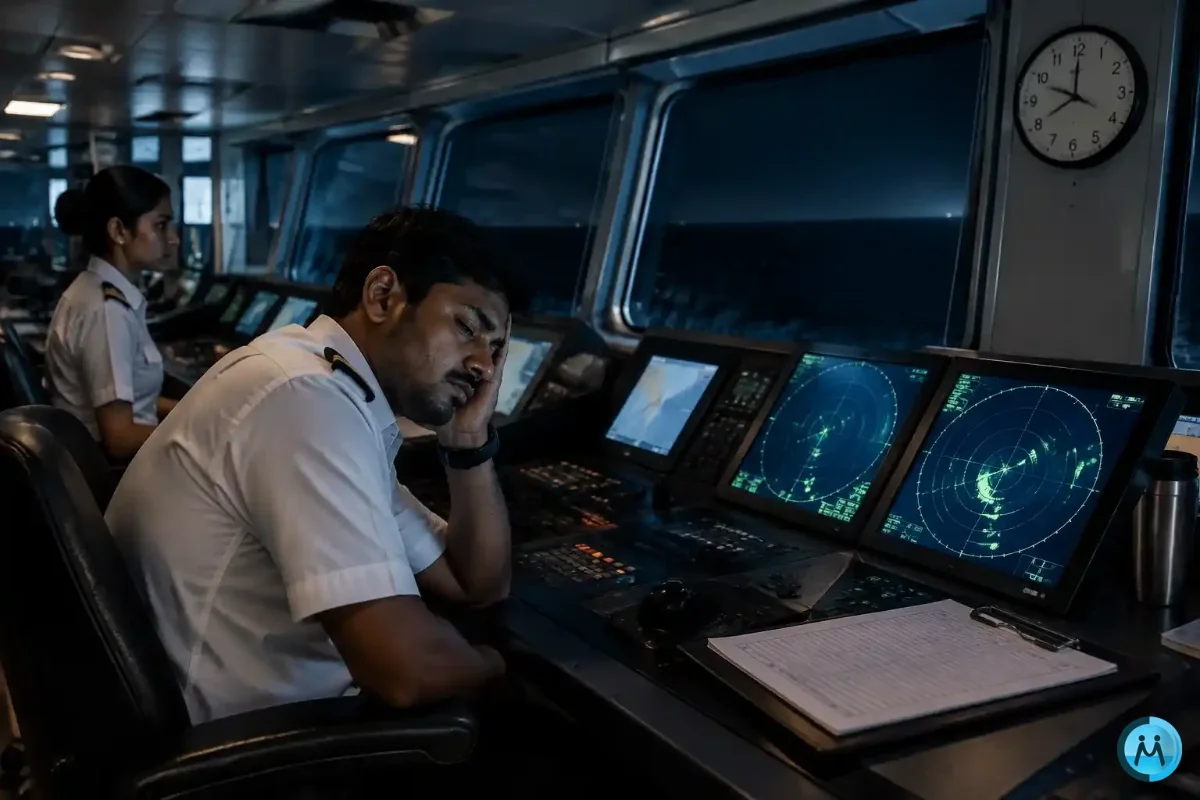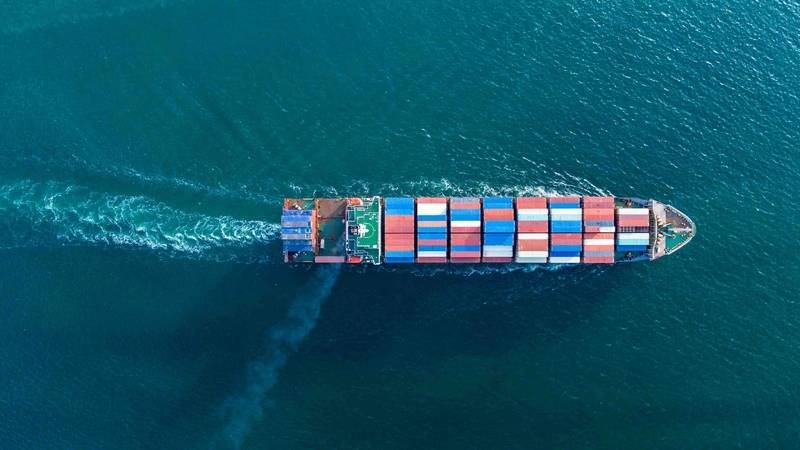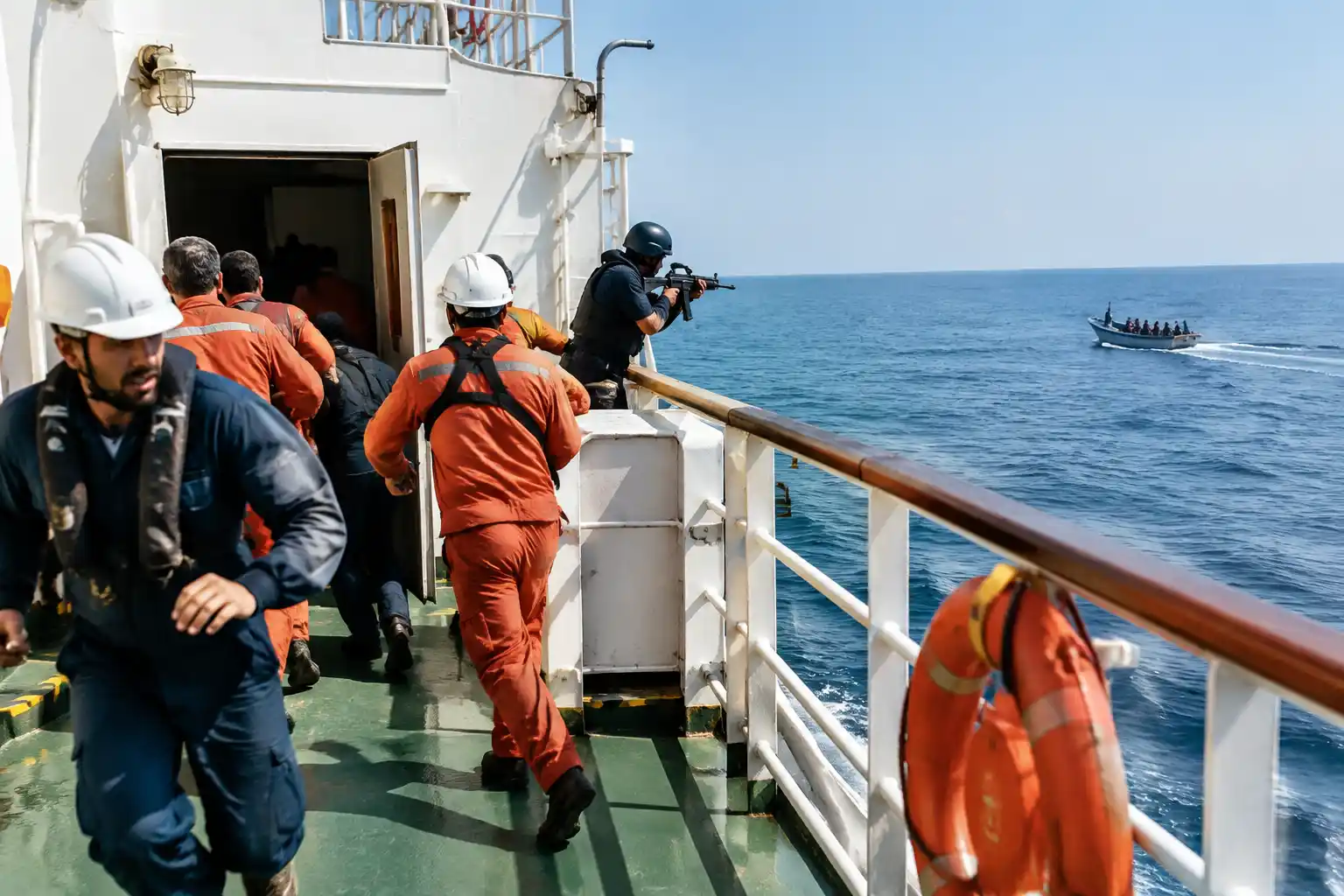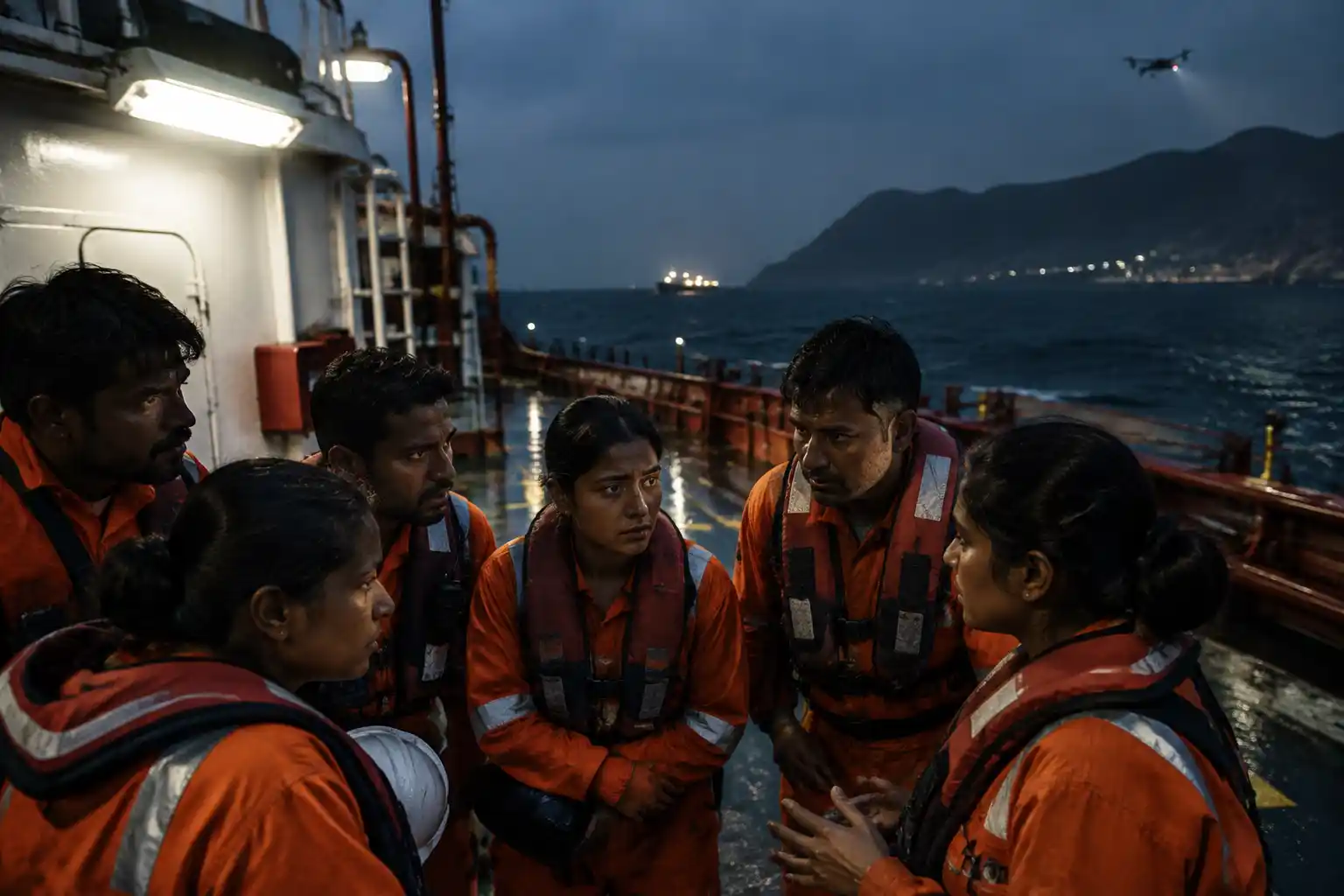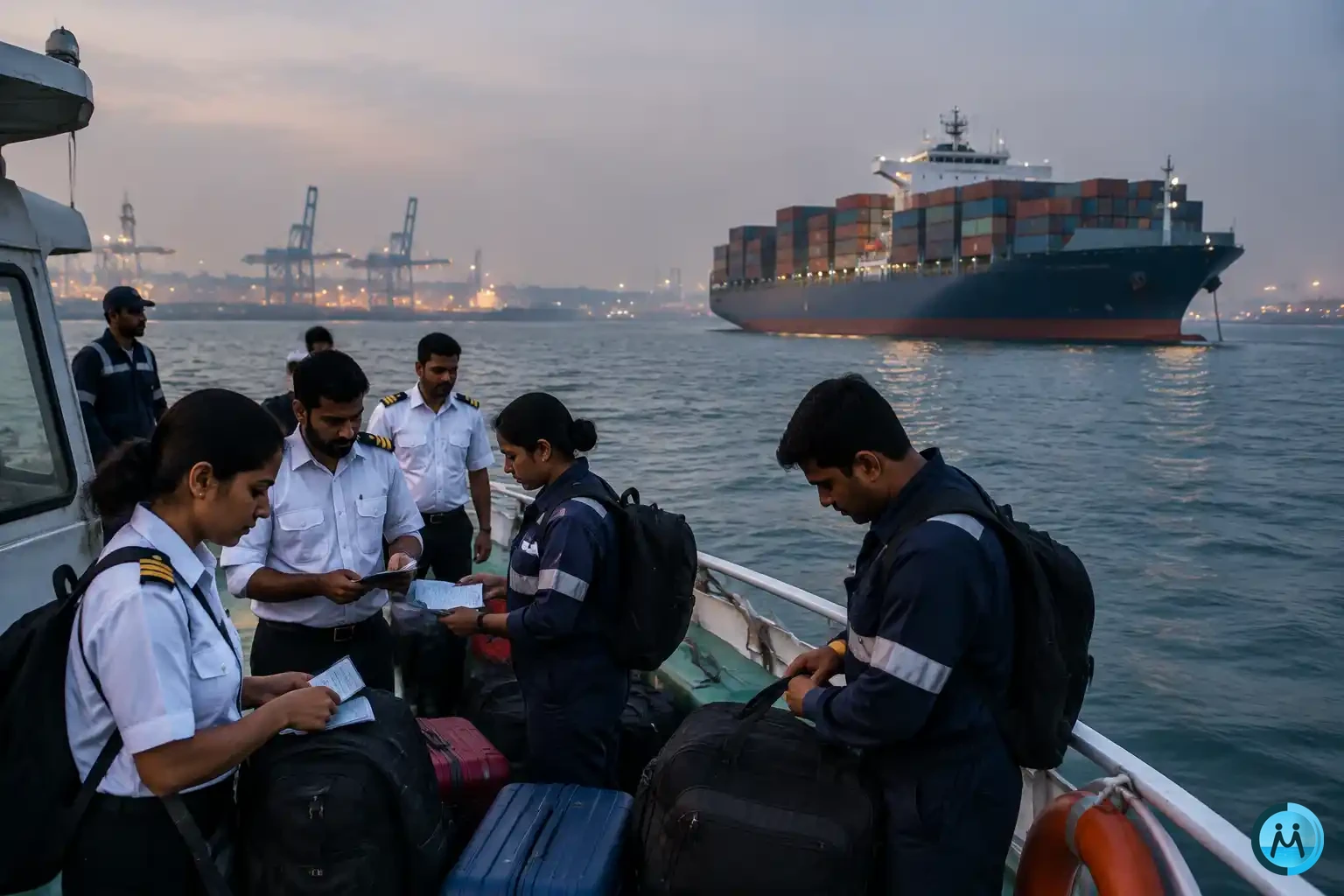
Crew change problems are back at the top of every seafarer’s worry list in 2026. After the Covid years, many of us hoped that going home on time would become normal again. Then the war in the Gulf, closed airspace and strict travel rules showed how quickly a simple sign-off can turn into weeks or months of waiting.

This guide explains why crew change problems happen, what the Maritime Labour Convention (MLC 2006) says about your time on board, and seven practical steps you can take when your relief date keeps slipping.
Why Crew Change Problems Are Growing Again in 2026
A crew change needs many parts to work together: a port that allows it, flights, visas, a launch boat or a berth, a relief who is ready, and an owner willing to pay. When one link breaks, the whole chain stops.
The Gulf Conflict and Stranded Crews
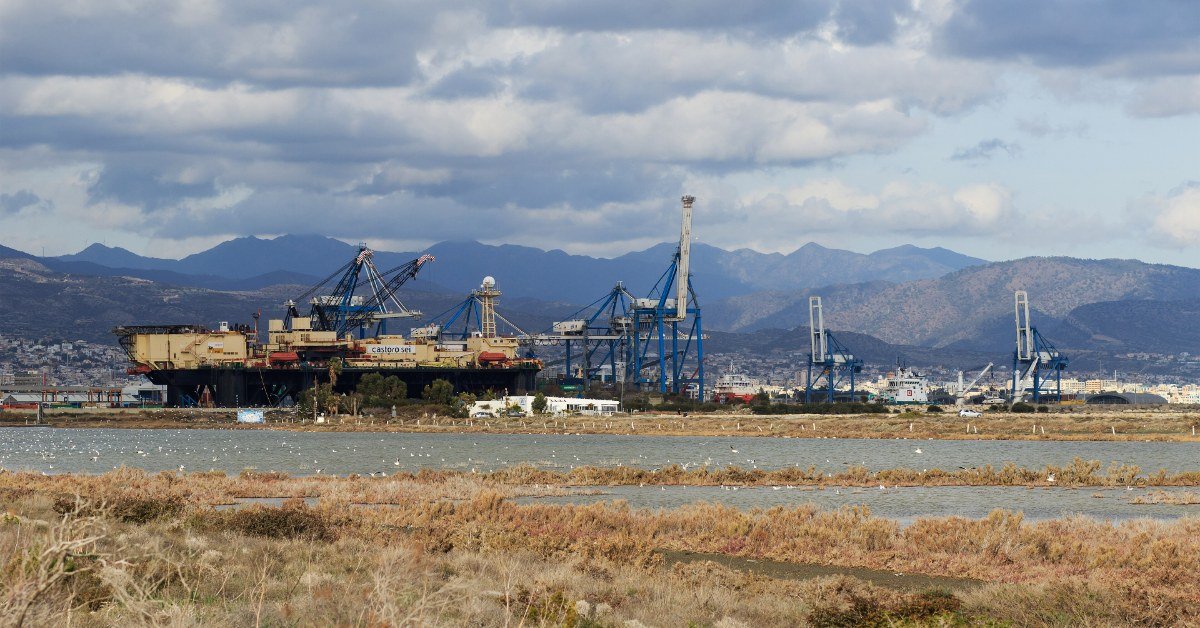
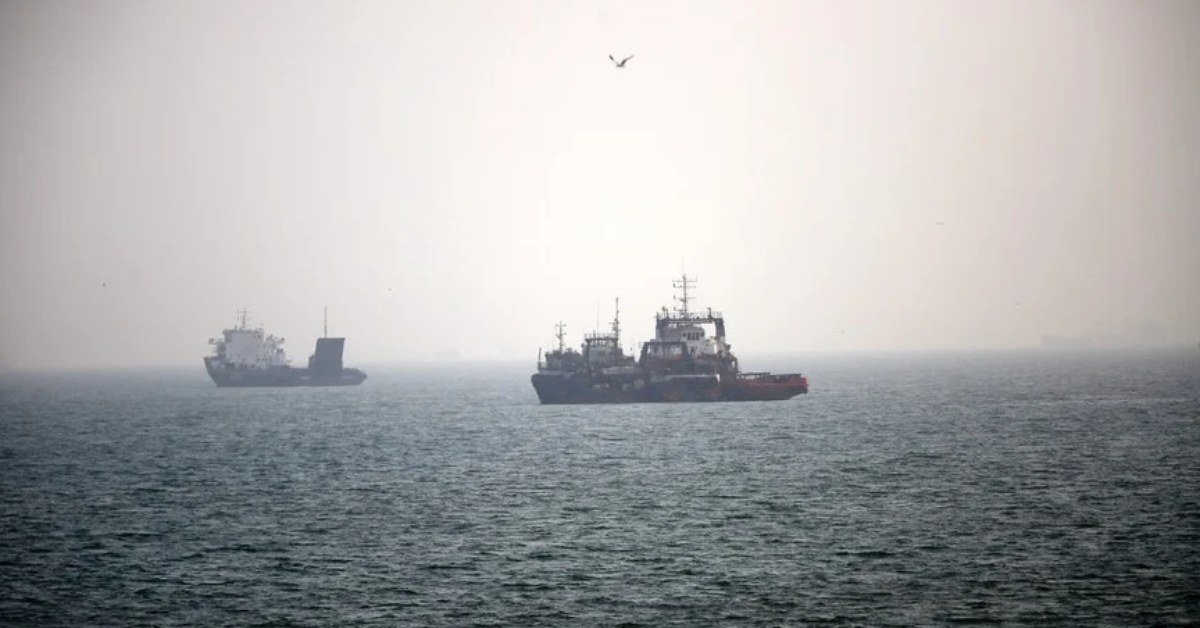
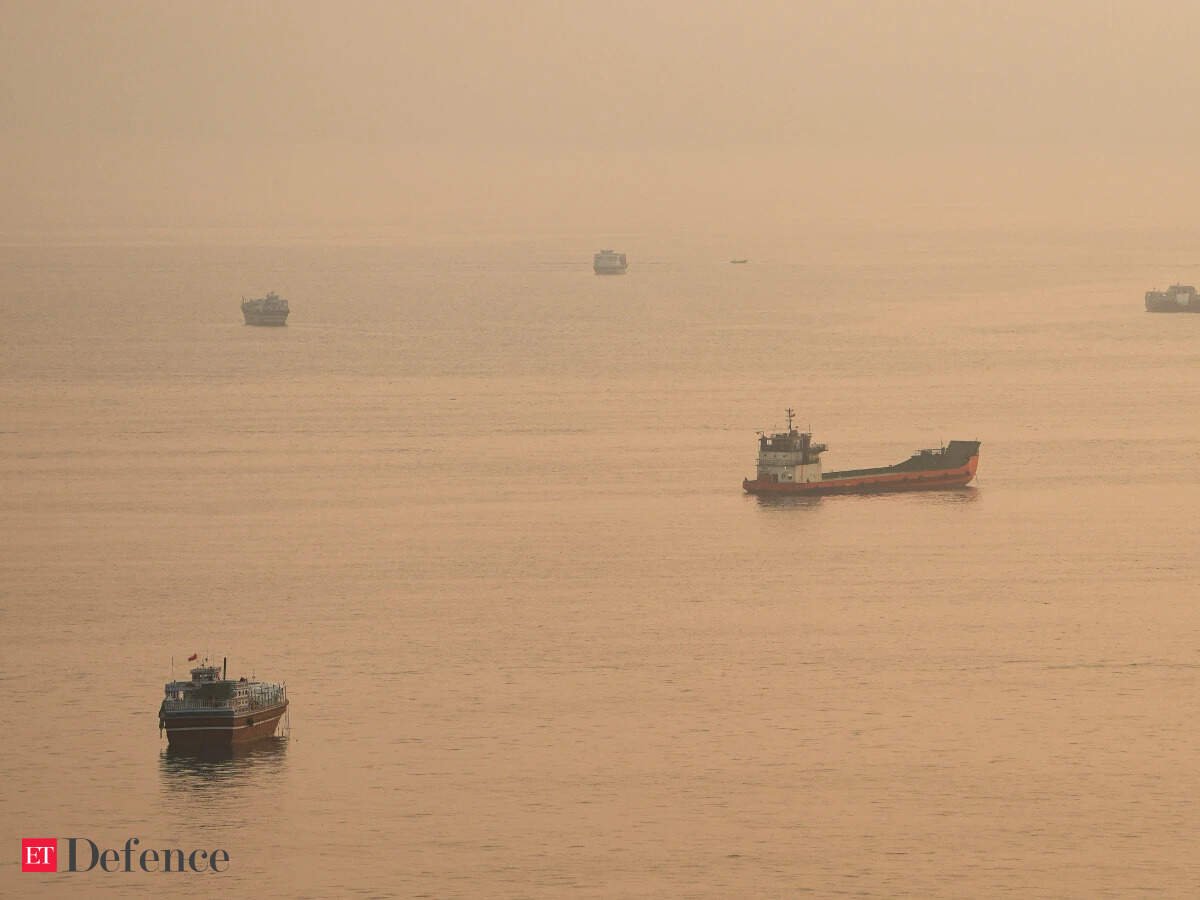
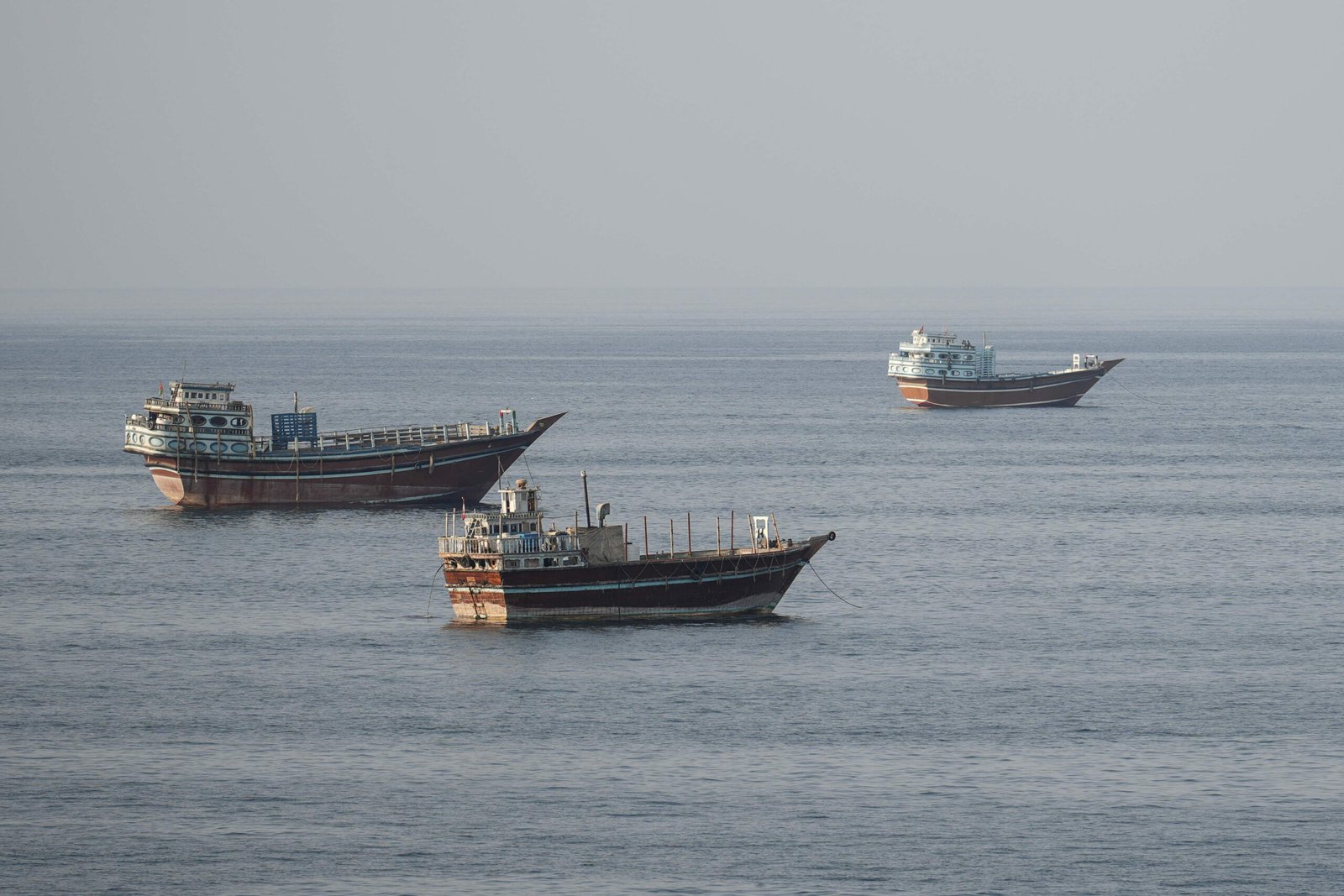
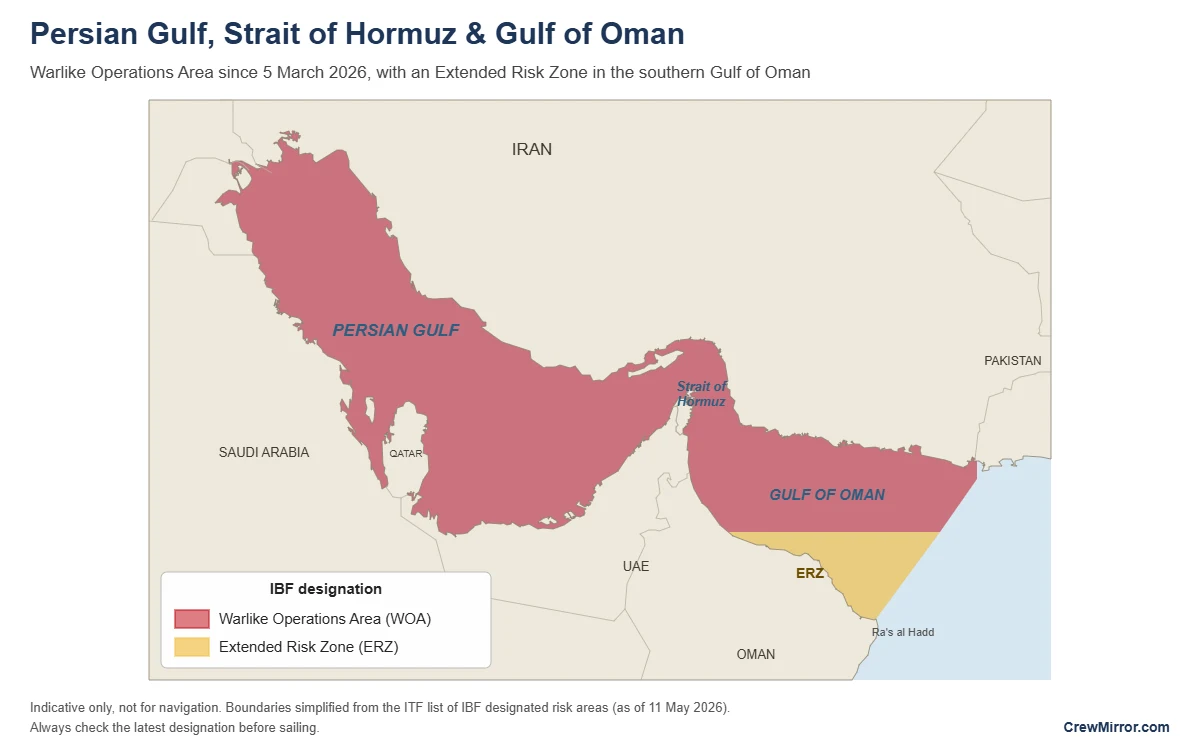
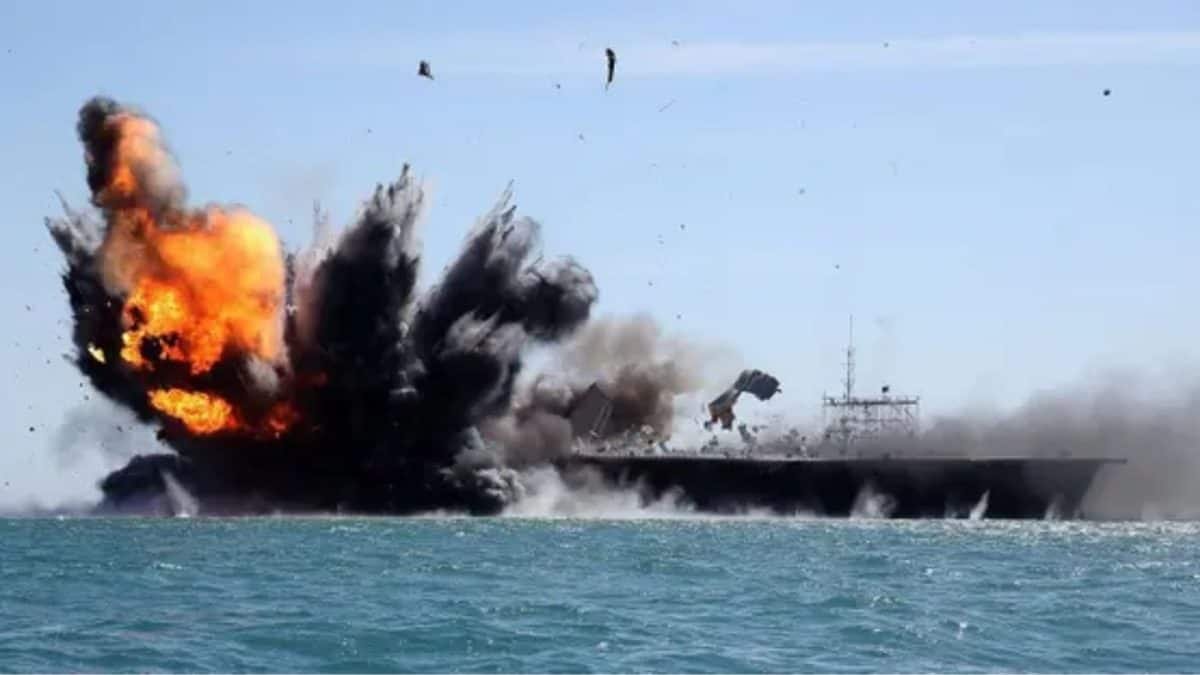
Since the conflict involving Iran began on 28 February 2026, shipping through the Strait of Hormuz has been badly disrupted. In April, the IMO Secretary-General told the UN Security Council that about 20,000 seafarers on close to 2,000 ships were stuck in the Persian Gulf. By July the IMO estimate had fallen to around 6,000, but attacks on merchant ships continued into September.
The IMO has called for humanitarian corridors and safe crew rotations, as set out in its press briefing on the Strait of Hormuz. In March, the ICS and the ITF met Gulf States, who agreed to treat seafarers as key workers and give priority to crew replacement. The ITF statement on that meeting also asked for fast medical disembarkation when needed.
Flights, Visas and Rising Costs
Even far from conflict zones, crew travel has become slower and more expensive. Closed airspace means longer routes, fewer seats and higher fares. Some countries still ask for visas or transit permits at short notice, and one missed connection can cancel a planned sign-on at anchorage. Travel issues like these cause many crew change problems even on routine trades.
How Crew Change Problems Start On Board
Not every delay is caused by war. Some crew change problems start in the office: the relief is not ready, the next port is “too expensive” for a crew change, or the company asks you to “just do one more voyage”. Each request feels small, but the months add up fast.

Your Rights: What MLC 2006 Says About Time On Board
The MLC gives clear limits, even when they are not respected. Knowing them is your best defence against crew change problems.
- Maximum service period: Standard A2.5.1 says the maximum time on board before you are entitled to repatriation must be less than 12 months.
- Paid annual leave: Standard A2.4 gives at least 2.5 calendar days of paid leave for each month of work. Because you cannot normally give up this leave, several authorities treat 11 months as the real limit for continuous service.
- Repatriation at the owner’s cost: travel, accommodation and food until you reach home are paid by the shipowner, not by you.
- Insurance against abandonment: since 2017, ships must carry financial security that covers repatriation and up to four months of unpaid wages if the owner abandons the crew.
Port State control can act on long contracts. Under the AMSA guidance on maximum shipboard service, service beyond 13 months, or a pattern of breaches, can stop a ship from sailing until the crew problem is fixed or an acceptable plan is agreed.
More protection is coming. Amendments to the MLC adopted in June 2025 recognise seafarers as key workers and require States to make it easier for them to travel for repatriation, shore leave and medical care. They are expected to enter into force in December 2027. The ILO MLC 2006 FAQ explains the current rules in plain language.
7 Practical Steps When Crew Change Problems Hit You

1. Count Your Days and Know Your Contract
Know your exact sign-on date, contract length and the limit set by your flag State and your collective agreement (CBA). Write down the date when you become entitled to repatriation.
2. Ask for Relief in Writing
Speak to the master first, then follow up by email to the company and the manning agent. Keep it polite and factual: your sign-on date, your contract end date and a request for a confirmed relief plan. A written request creates a record.
3. Do Not Sign an Extension Under Pressure
An extension must be freely agreed by both sides. If you accept, get the new end date and any extra pay in writing. If you do not accept, say so clearly and keep a copy of your message.
4. Keep Your Documents Ready
Check your passport, CDC or seaman’s book, visas, medical certificate and STCW certificates. An expired document is one of the most common crew change problems, and it is one you can control.
5. Protect Your Rest and Mental Health
Long contracts bring fatigue. Record your hours of rest honestly, as explained in our guide to hours of rest violations at sea. Stay in touch with family and talk to someone you trust if stress builds up.
6. Know Your Rights in High-Risk Areas
If your ship is ordered into a declared war-like or high-risk area, many CBAs give you the right to refuse and be repatriated at company cost. Our article on war zone rights for seafarers explains how this works.
7. Get Outside Help Early
If crew change problems continue and your relief is refused or keeps slipping, contact your union, the nearest ITF inspector, or the free 24-hour SeafarerHelp line run by ISWAN. Your flag State and the port State control authority can also act on MLC complaints.

FAQ: Crew Change Problems
Can my company keep me on board for more than 12 months?
Not under the MLC. The maximum period on board must be less than 12 months, and many flag States treat 11 months as the real limit. Longer service is a breach that port State control can act on.
Who pays for my flight home if my relief is delayed?
The shipowner. Repatriation costs, including travel, accommodation and food, are the owner’s responsibility. If the owner abandons the ship, the MLC financial security provider must step in.
What should I do if I am stuck on a ship in a conflict zone?
Tell the master and the company in writing that you want to be relieved, keep copies, and contact your union or the ITF. The IMO and industry bodies are pressing coastal States to allow safe crew changes and evacuations.
Conclusion
Crew change problems are not just a paperwork issue. They affect your rest, your safety and your family. You cannot control wars or airline schedules, but you can know your MLC rights, keep your papers in order, put every request in writing and ask for help early. If you are also being kept on board in port, read our guide to shore leave restrictions for seafarers.
This article was prepared with the help of Internet Search and AI assistance tools.