Introduction
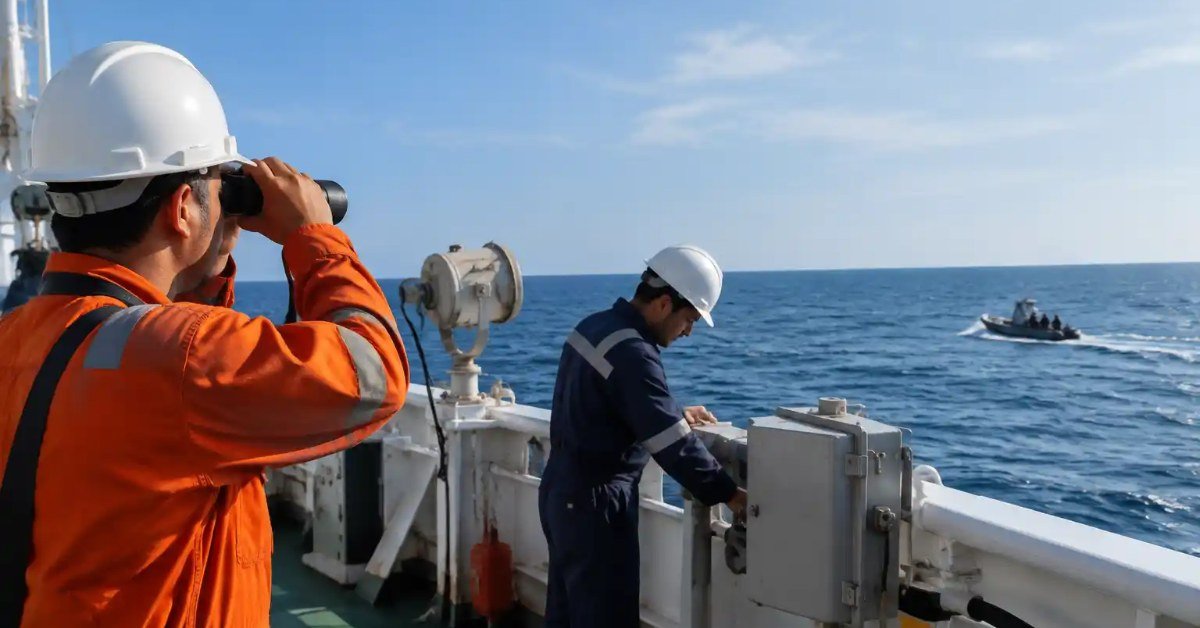
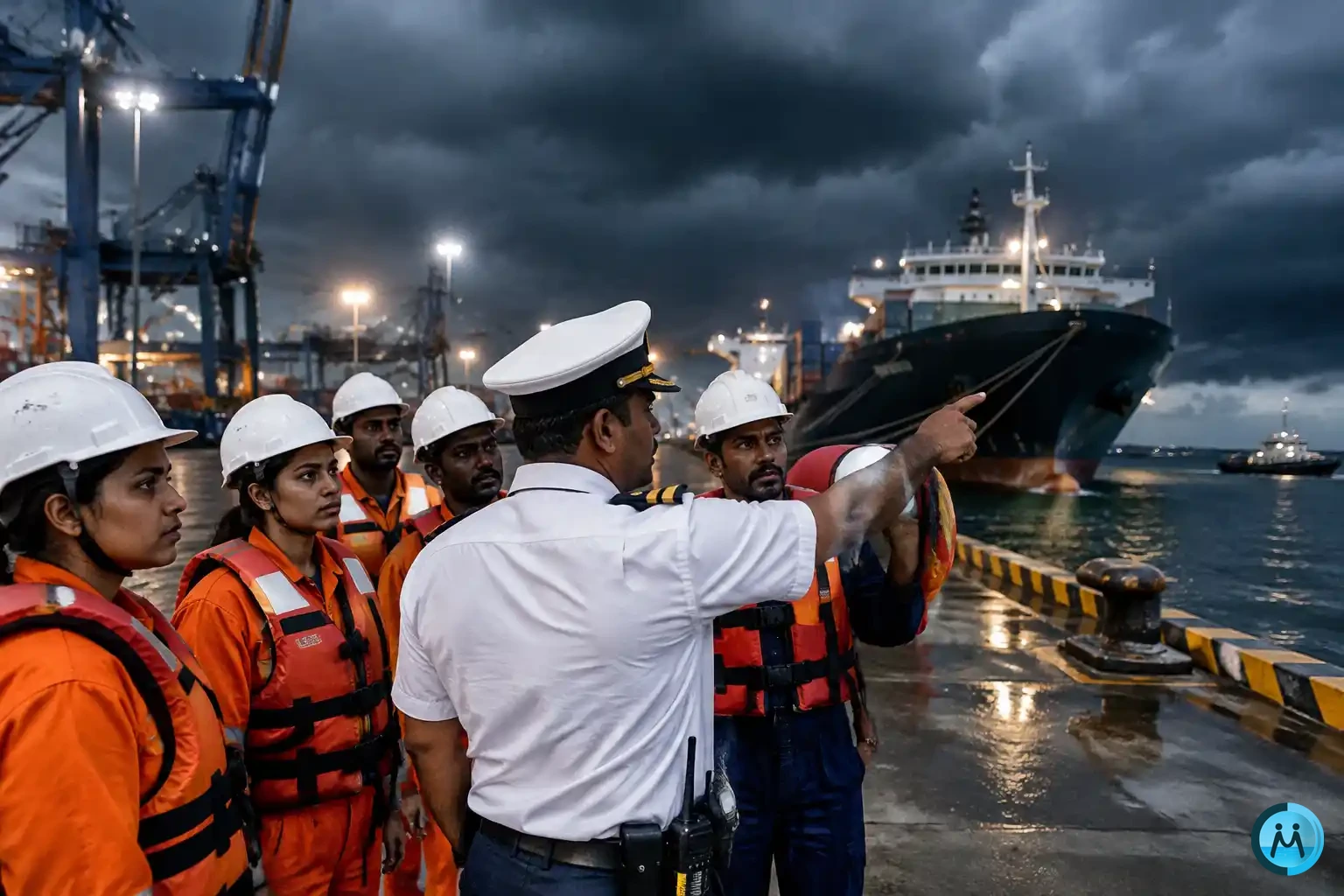
Seafarer safety was once again the defining theme of the week at sea. Fresh projectile and drone strikes in the Strait of Hormuz put more Indian crews in harm’s way, Iran and the United States traded positions on reopening the waterway, and even VHF Channel 16 – the sailor’s lifeline – became part of the dispute.
Closer to home, India pressed ahead with port reforms, record inland waterway cargo and a firm stand on seafarer safety in Malaysia. Meanwhile, dramatic rescues in the Ionian Sea and off Vietnam showed how much still depends on alert crews, and new tools – from man-overboard apps to crane simulators – showed technology trying to keep pace. Here are the 19 stories from the past seven days that matter most to seafarers.
Table of Contents
Seafarer Safety in the Gulf: Tensions and Maritime Security
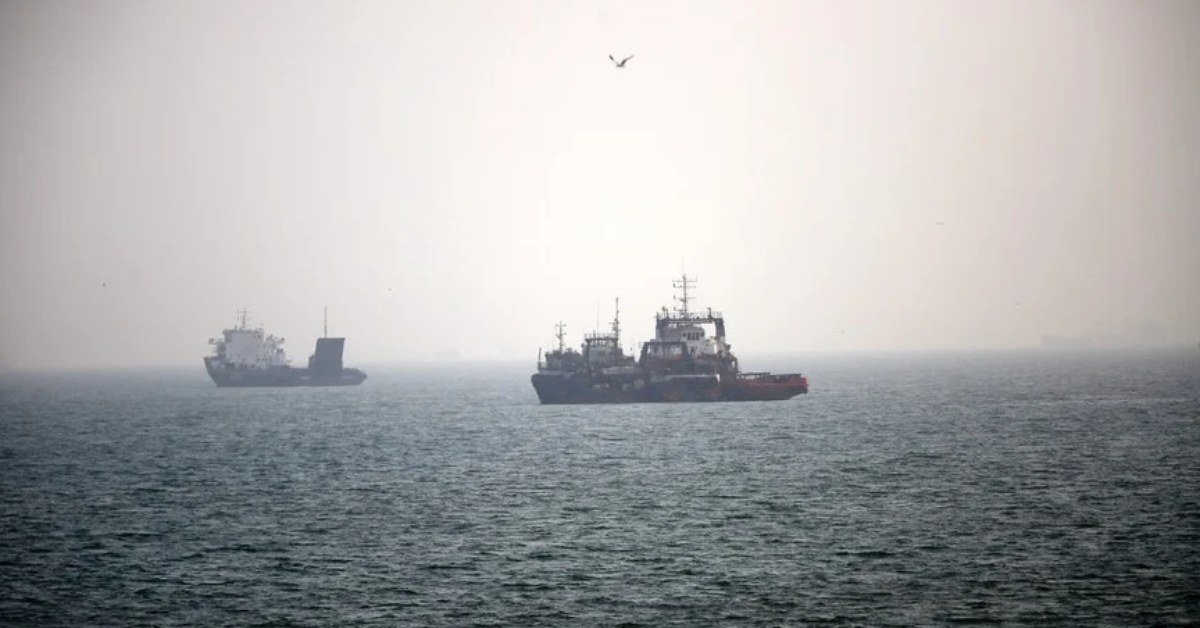
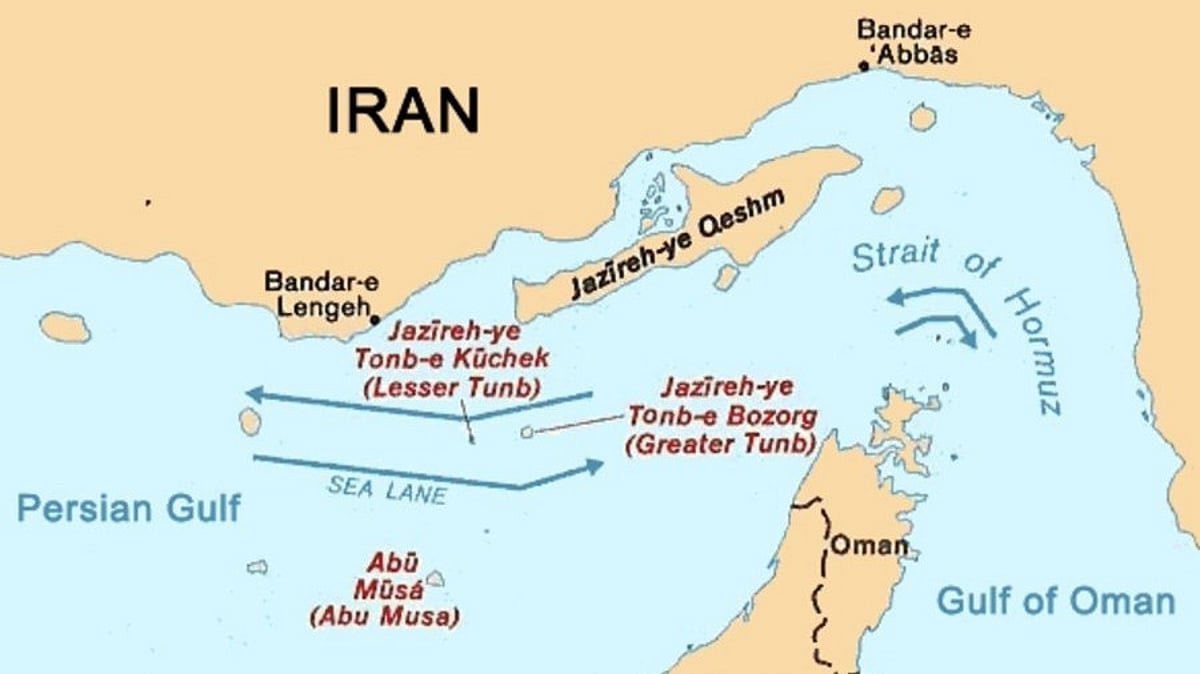
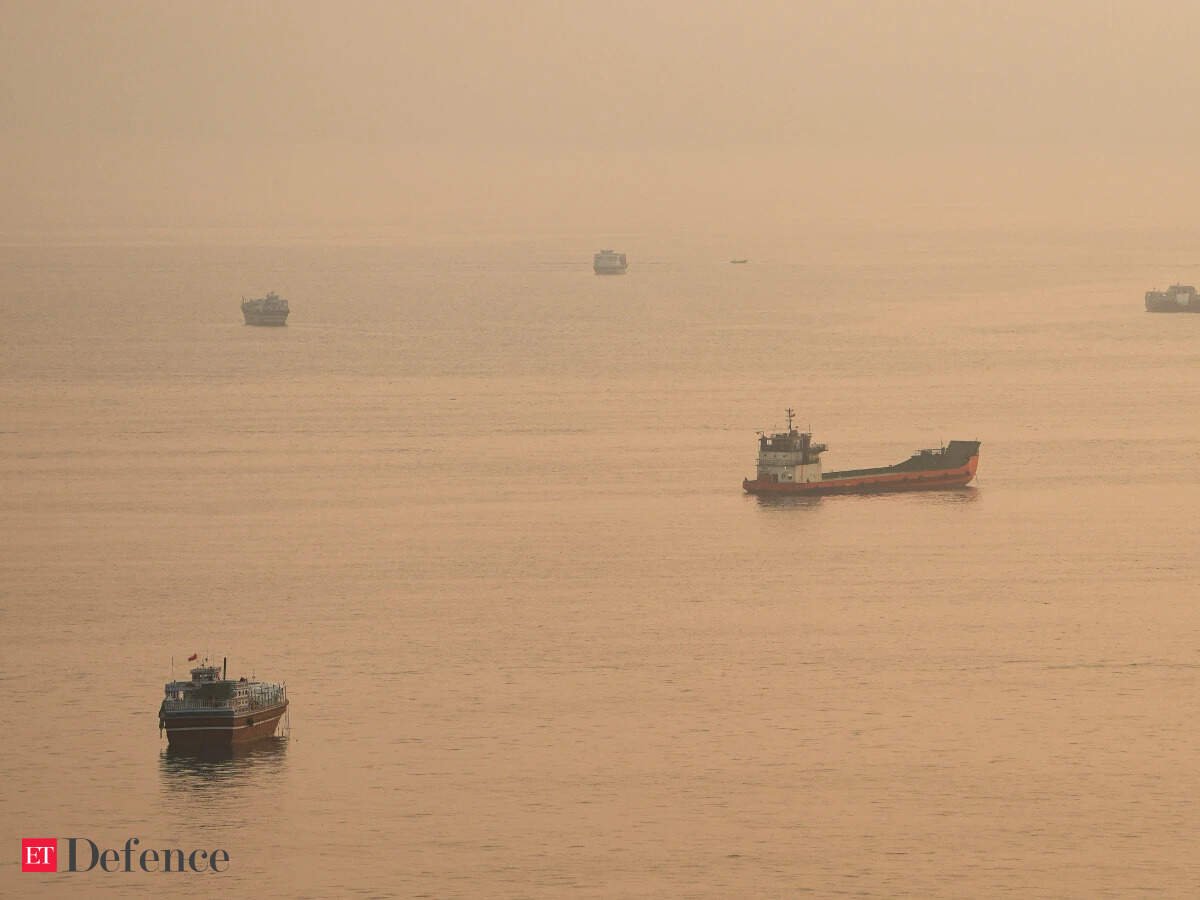
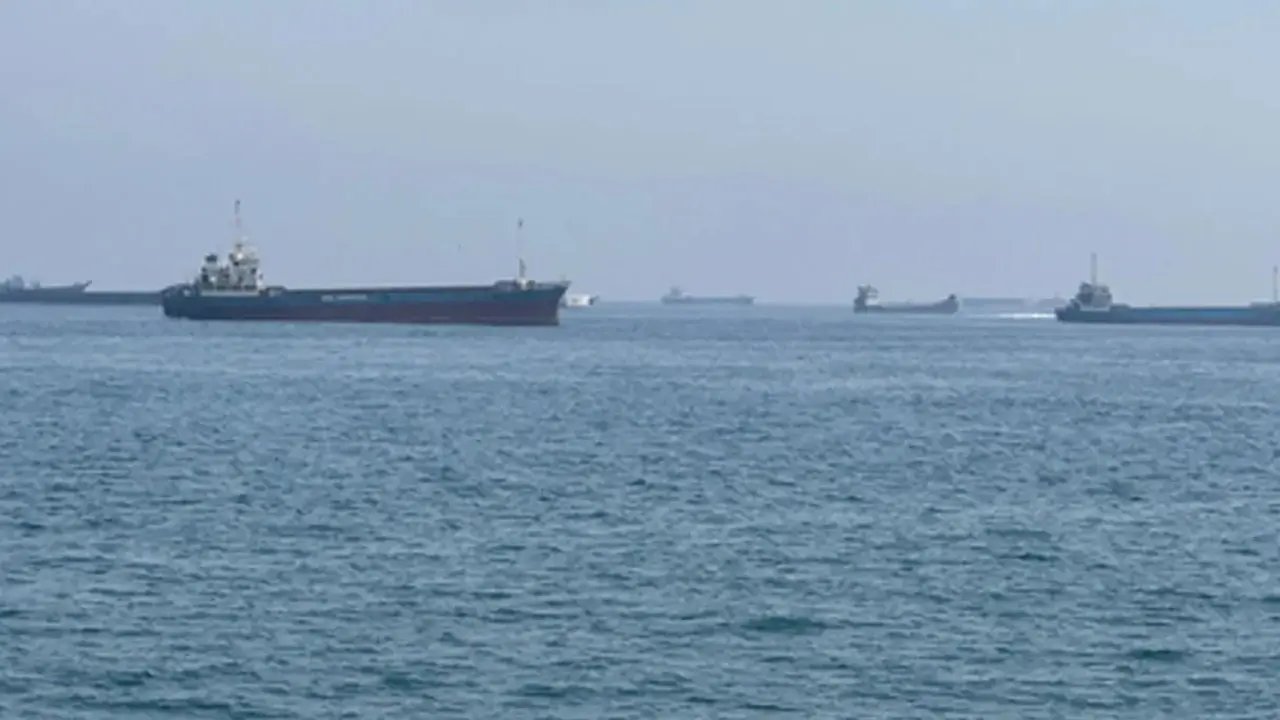
Seafarer safety stayed under severe pressure in and around the Strait of Hormuz, where UKMTO continued to log attacks on merchant ships.
Iran Awaits US Response to Reopen Strategic Strait of Hormuz
Iran’s Foreign Minister Abbas Araqchi says Tehran can reopen the Strait of Hormuz within a week if Washington meets its seven conditions, including lifting the port blockade and oil sanctions. Talks remain stalled, with the US insisting that Iran’s nuclear programme be addressed first.
Read More
Indian Seafarers Return Safely After Harrowing Incidents at Sea
Union Minister Sarbananda Sonowal confirmed that all 24 Indian crew aboard MT ST 3, hit by a projectile in Hormuz, and YARA J, struck by a drone off Romania, are safe. Two Indians from MT Petro Dolphin, attacked near Sohar on October 11, remain missing.
Read More
Iran Protests Misuse of VHF Channel 16 by U.S. Military in Strait of Hormuz
Iran has complained to the IMO that US forces are occupying VHF Channel 16 to broadcast threatening messages in Persian to Iranian crews. Citing IMO Resolution A.954(23), Tehran argues that misusing the distress frequency could drown out genuine emergency calls from ships.
Read More
Seafarer Rescued After Engine Room Fire Off Omani Coast
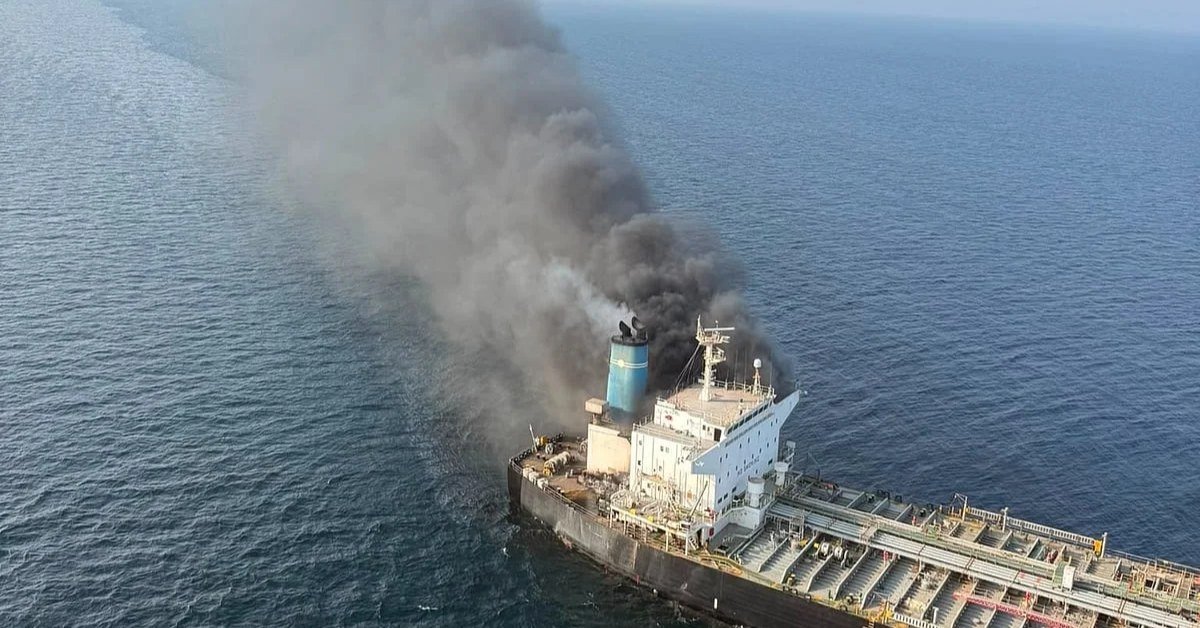
Omani authorities airlifted an injured crew member from the merchant vessel JOHN K after an engine room fire about 44 nautical miles off South Al Batinah. Separately, UKMTO reported a projectile strike on an inbound container ship in the Strait of Hormuz on October 11.
Read More
Poland Joins North Atlantic Maritime Security Initiative
Poland has joined a European and Canadian initiative to strengthen maritime security across the North Atlantic, Arctic and Baltic Sea, taking membership to 13 nations. Launched at July’s NATO summit, the group plans more joint exercises, stronger command and control, and better situational awareness.
Read More
Indian Maritime Sector: Reforms and Seafarer Safety Measures
Indian authorities took several decisions this week with direct consequences for seafarer safety, careers and port operations.
DGMA Bans Indian Seafarers from Working in Malaysia’s Sarawak Region
Following repeated fatal accidents, the DGMA has barred RPSL agencies from placing Indian seafarers on inland, riverine and coastal vessels in Malaysia’s Sarawak region. Agencies must also arrange ₹1 crore insurance cover per seafarer on foreign-flagged ships that lack P&I insurance.
Read More
India Advances Port Reforms with One Nation One Port Initiative
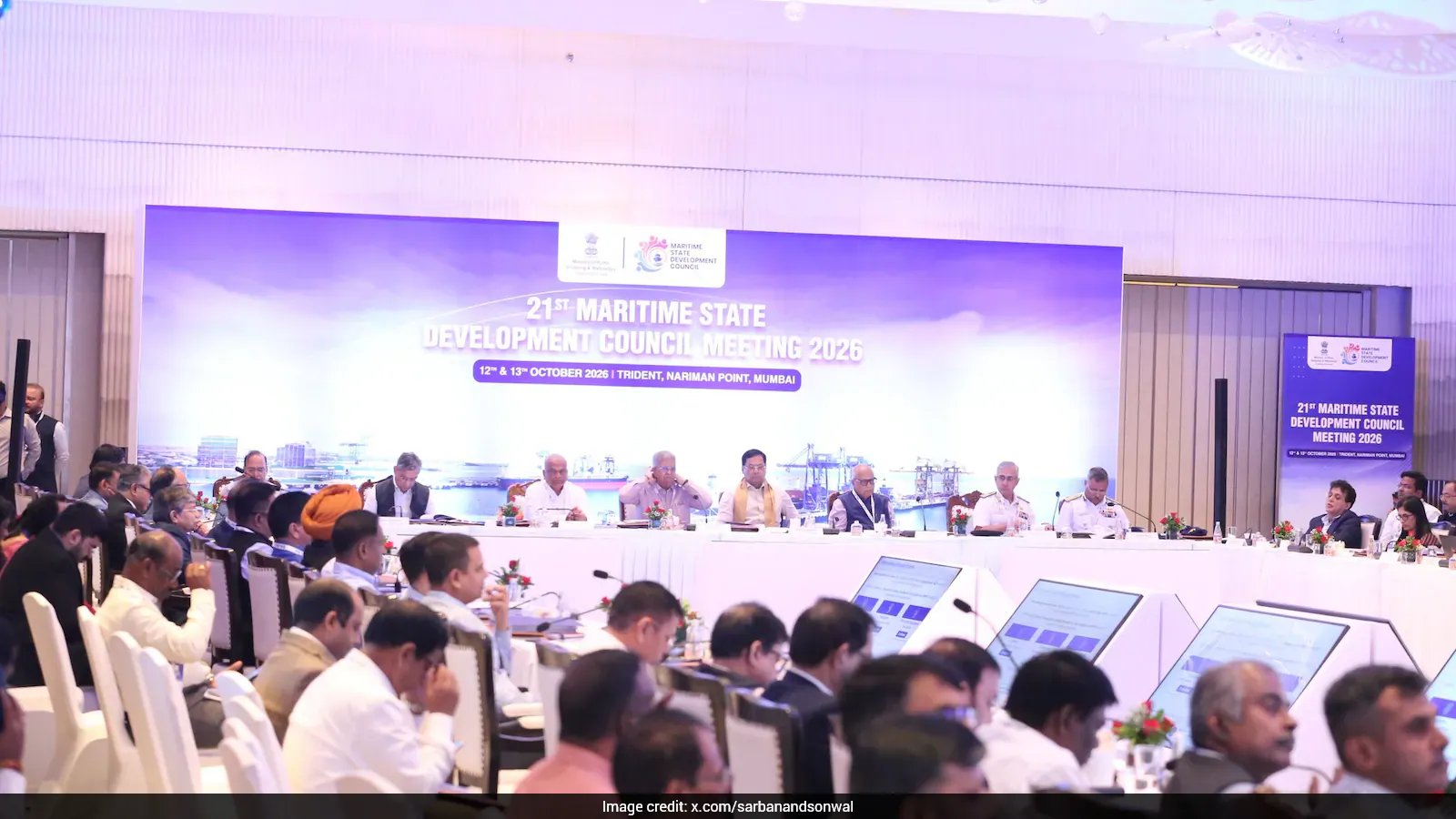
The 21st Maritime State Development Council meeting in Mumbai, its first as a statutory body, resolved to roll out One Nation One Port Process reforms and Maritime Single Window integration at all ports by March 2027. Minister Sonowal released a Ready Reckoner to guide implementation.
Read More
Inland Waterways are Revolutionizing Cargo Transport in India
Cargo on India’s inland waterways is expected to reach 218 MMT in 2025-26, up from 29 MMT in 2014-15, already beating the Maritime India Vision 2030 target of 200 MMT. National Waterway-2 on the Brahmaputra is getting new riverine lighthouses and navigation upgrades.
Read More
Paradip Port Set for Exceptional Cargo Growth in FY 2026–27
Paradip Port Authority met stevedores on October 15 to plan for over 170 MMT of cargo in FY 2026-27, up from last year’s record 156.45 MMT. Mechanisation, road and drainage upgrades, worker welfare, dredging and green energy initiatives topped the agenda.
Read More
DGMA Convenes Key Stakeholders to Discuss International Oil Pollution Compensation
The DGMA brought together IOPC Funds officials, P&I Clubs, oil companies and legal experts to review the international oil pollution compensation framework. As the largest contributor to the IOPC Funds, India stressed closer coordination as its oil imports and seaborne trade keep growing.
Read More
Floating Hotels Near Belapur Jetty Set to Boost Navi Mumbai Tourism
The Maharashtra Maritime Board has invited private operators to develop three floating hotels near the new Belapur tourism jetty in Navi Mumbai, overlooking Atal Setu and Panvel Creek. Guests will reach the floatels by tender boat, subject to safety and environmental approvals.
Read More
Maritime and Counter-Terrorism Focus in India-Viet Nam Security Review
At the 4th India-Viet Nam Security Dialogue in New Delhi, the two countries reviewed cooperation on maritime engagement, counter-terrorism, economic security, emerging technologies and cyber security. The biennial dialogue runs under a 2016 MoU between India’s NSCS and Viet Nam’s Ministry of Public Security.
Read More
Rescues at Sea: Seafarer Safety in Action
These three stories show seafarer safety at its most practical – fast coordination, alert watchkeeping and the right equipment.
Vietnam Maritime Rescue Saves Critically Ill Sailor at Sea
Vietnam’s Maritime Search and Rescue Coordination Center evacuated Indian third engineer Panjanathan Elanchezhiyan, who fell critically ill aboard the cargo ship RAMHAN. Rescue vessel SAR 273 reached the ship in under an hour of being dispatched and brought him ashore to hospital in Nha Trang.
Read More
MSC Containership Saves Cruise Passenger After 20 Hours in Water
A 44-year-old passenger who went overboard from Royal Caribbean’s Odyssey of the Seas in the Ionian Sea was found alive after nearly 20 hours. The containership MSC Rossella III spotted her life preserver’s light and alerted the Hellenic Coast Guard, which recovered her.
Read More
New App Launched to Automatically Notify Man Overboard Incidents
PredictWind has launched a Man Overboard app for DataHub Pro users that passively monitors crew phones and smartwatches. If a device drops off the boat’s Wi-Fi, it logs the GPS position and escalates alerts, targeting the 60% of overboard cases that go unwitnessed.
Read More
Training and Technology for Seafarer Safety
Better training and smarter tools remain the strongest long-term investment in seafarer safety, especially as the International Maritime Organization pushes shipping towards new low-carbon fuels.
Advanced Crane Training Simulator for Maritime Crews Launched in Amsterdam
Spliethoff Group has opened its second crane, cargo and ballast operations simulator in Amsterdam, following Manila in December 2025. Crews can rehearse lifts under realistic wave, wind and current conditions, while operations teams run virtual dry runs before complex projects.
Read More
Seafy’s New Push-to-Talk Smartphone Solution for Crew Communication
Milan-based Seafy has launched P2T, which turns crew smartphones into push-to-talk radios over the ship’s own Wi-Fi, working offline between bridge, engine room and deck. It supplements, rather than replaces, VHF and GMDSS equipment, with voice latency under 100 milliseconds.
Read More
LR Unveils New Alternative Fuel Retrofit Guidance
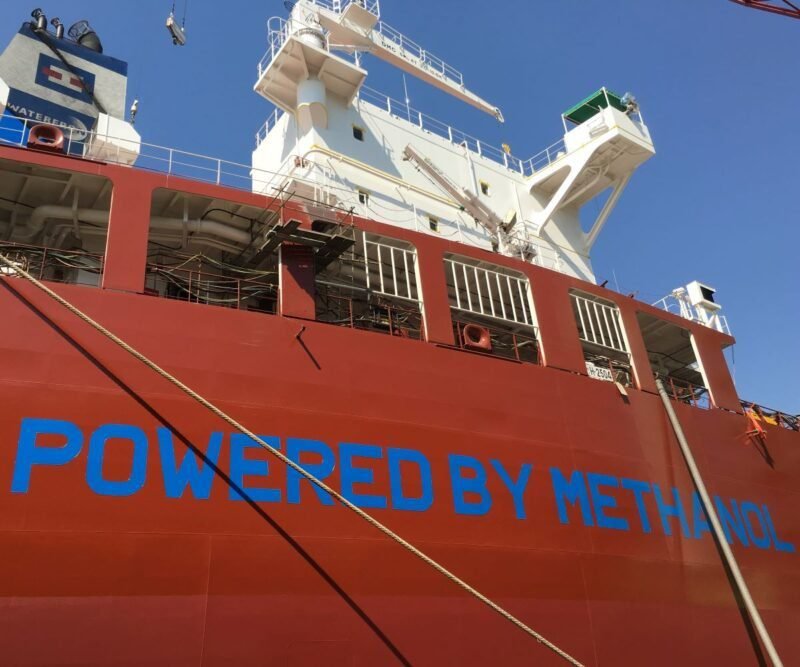
Lloyd’s Register has published guidance on retrofitting ships for LNG, methanol, ammonia, hydrogen and LPG, as well as wind-assisted propulsion and air lubrication. It warns that key decisions must be made early and puts crew training and new risk assessments at the centre.
Read More
Collaborative Effort Advances Hybrid-Electric Propulsion in LNG Shipping
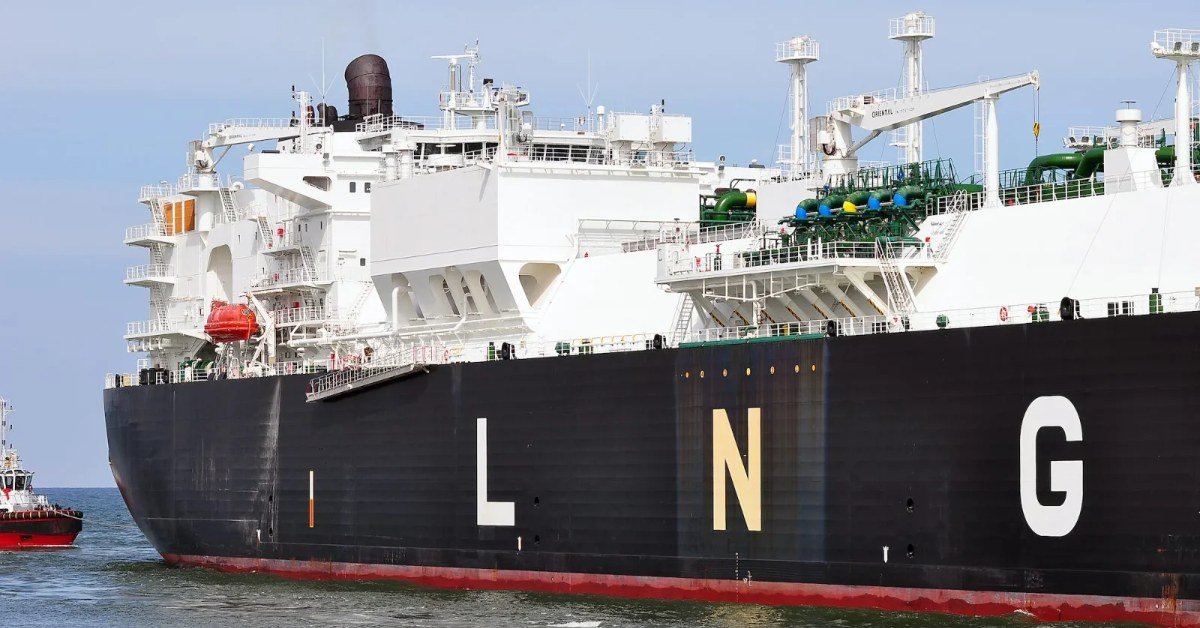
Lloyd’s Register, Shell and GTT have launched a joint project to design a 200,000m³ LNG carrier with hybrid-electric propulsion and GTT’s NEXT1 containment system. The work will examine system safety, battery integration, redundancy and the vessel’s total cost of ownership.
Read More
Conclusion: What This Week Means for Seafarer Safety
Read together, this week’s news tells a familiar but sobering story: the people least responsible for geopolitical disputes are the ones most exposed to them.
Tankers with Indian crews were struck in Hormuz and off Romania, two seafarers from the Petro Dolphin are still missing, and the dispute over Channel 16 shows how quickly even safety infrastructure can be pulled into conflict. Whatever the outcome of the Iran–US standoff, every week the strait stays contested is another week of risk to seafarer safety.
There were encouraging signals too. The DGMA’s Sarawak ban and ₹1 crore insurance requirement show a regulator willing to act on seafarer safety after repeated deaths – though such rules only protect seafarers if recruitment agencies actually comply.
India’s port reforms, record inland waterway volumes and Paradip’s growth point to more opportunities for maritime professionals at home.
On the technology front, Lloyd’s Register’s retrofit guidance makes a point crews have raised for years: new fuels such as ammonia and hydrogen are only as safe as the training given to the people handling them. Seafarer safety has to keep pace with decarbonisation.
Over to you: Which of these stories affects you most? Have you sailed through the Gulf recently, or worked on vessels in Sarawak? Do you feel you have received enough training for the alternative fuels now coming on board? Share your experience in the comments below – your voice helps fellow seafarers stay informed and safe.
This article was prepared with the help of Internet Search and AI assistance tools.