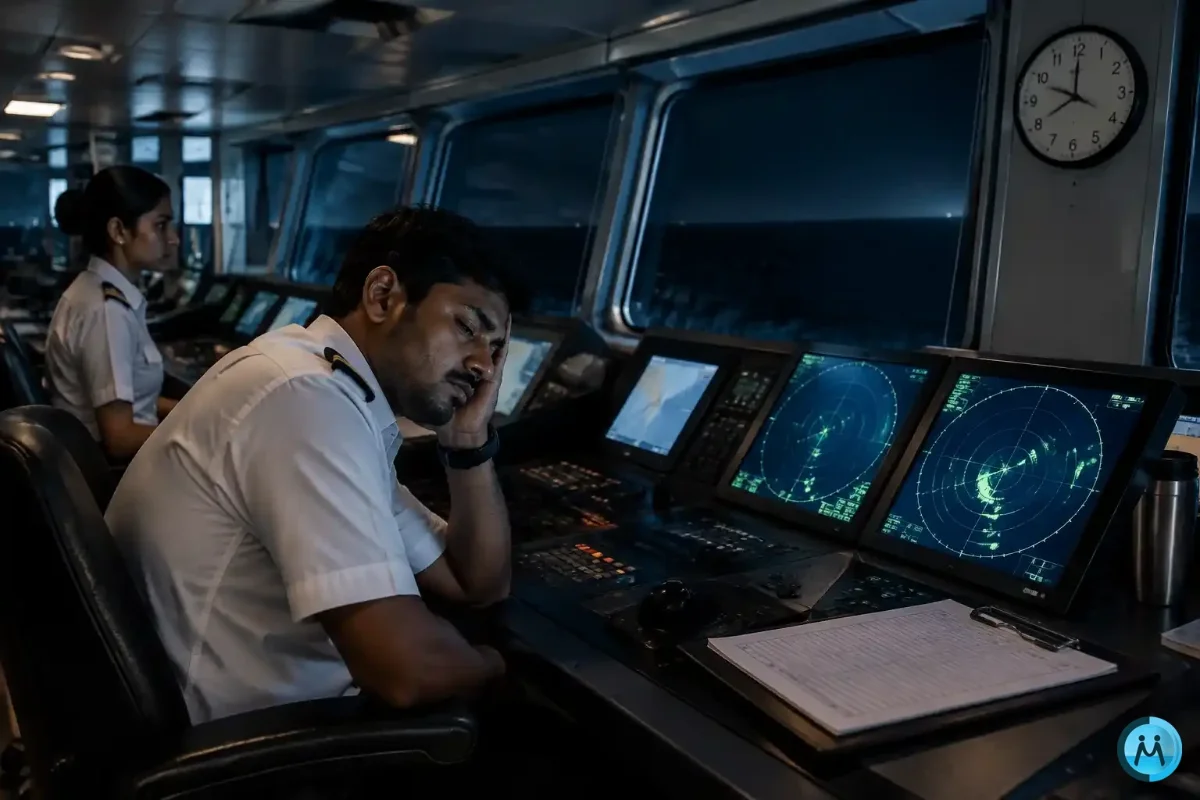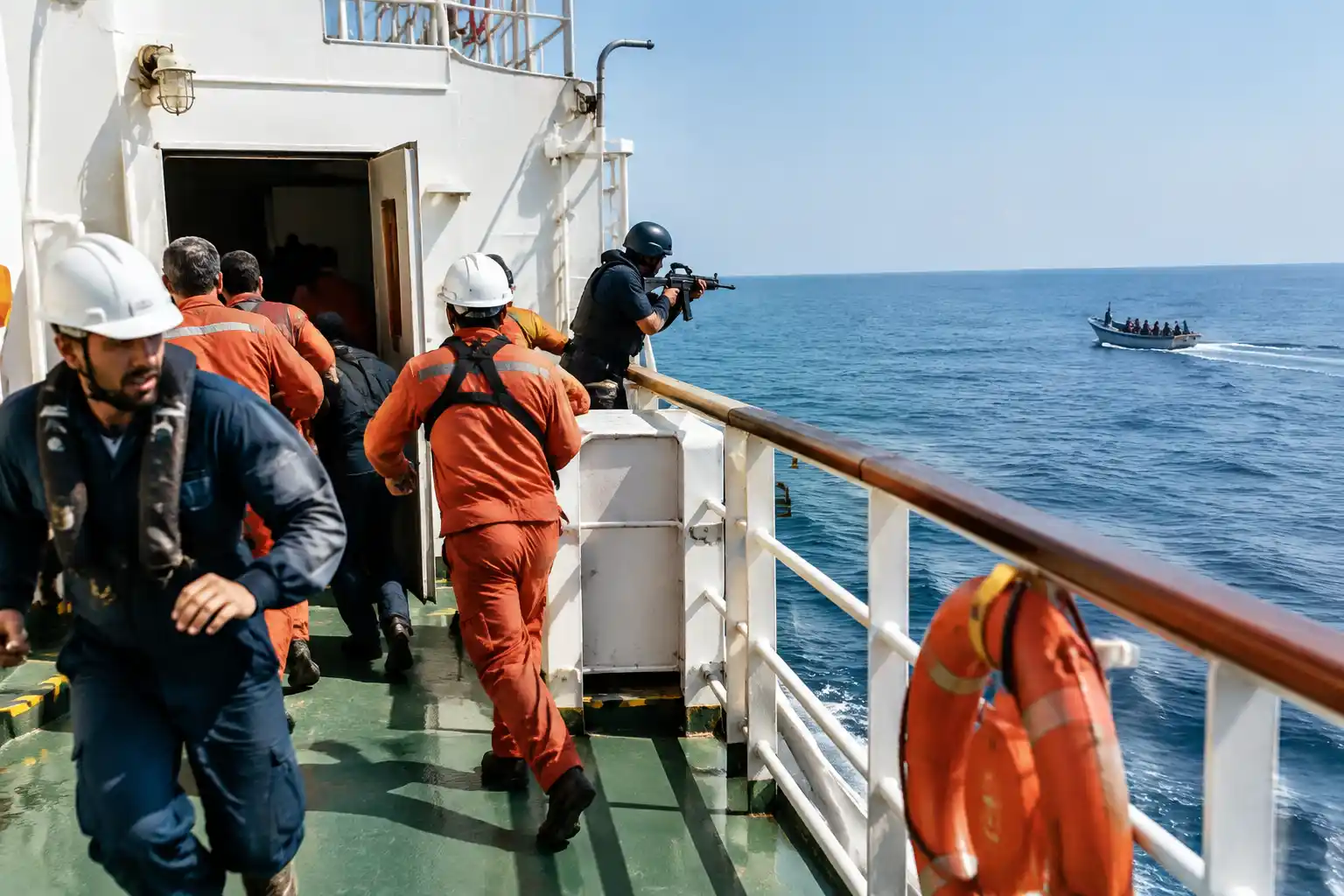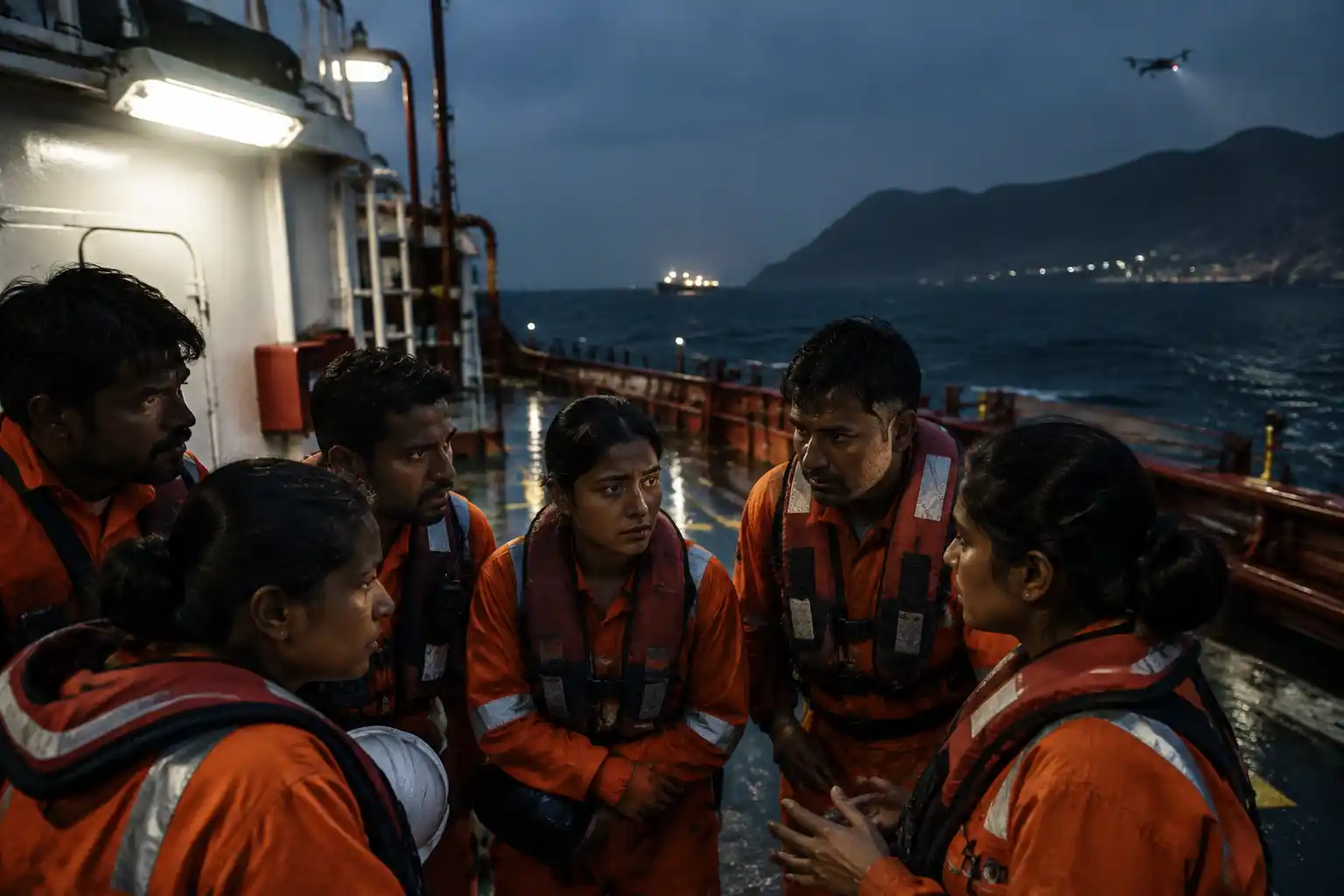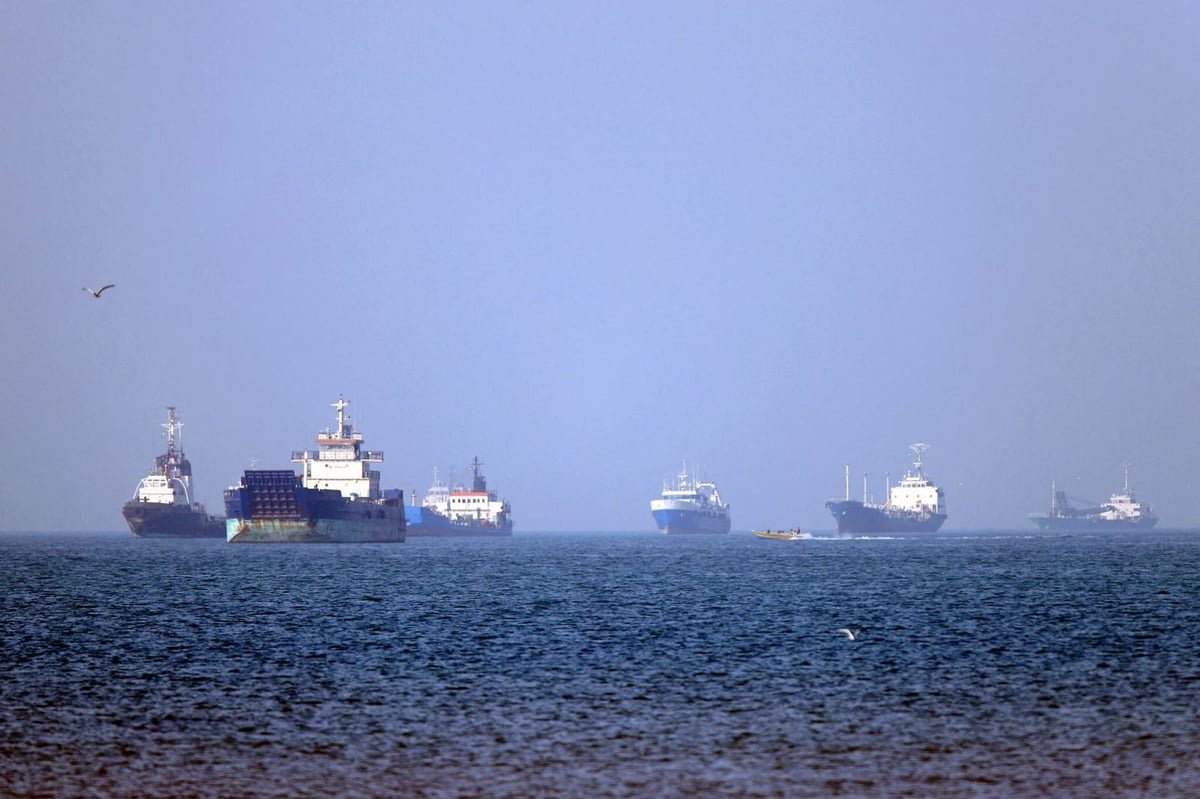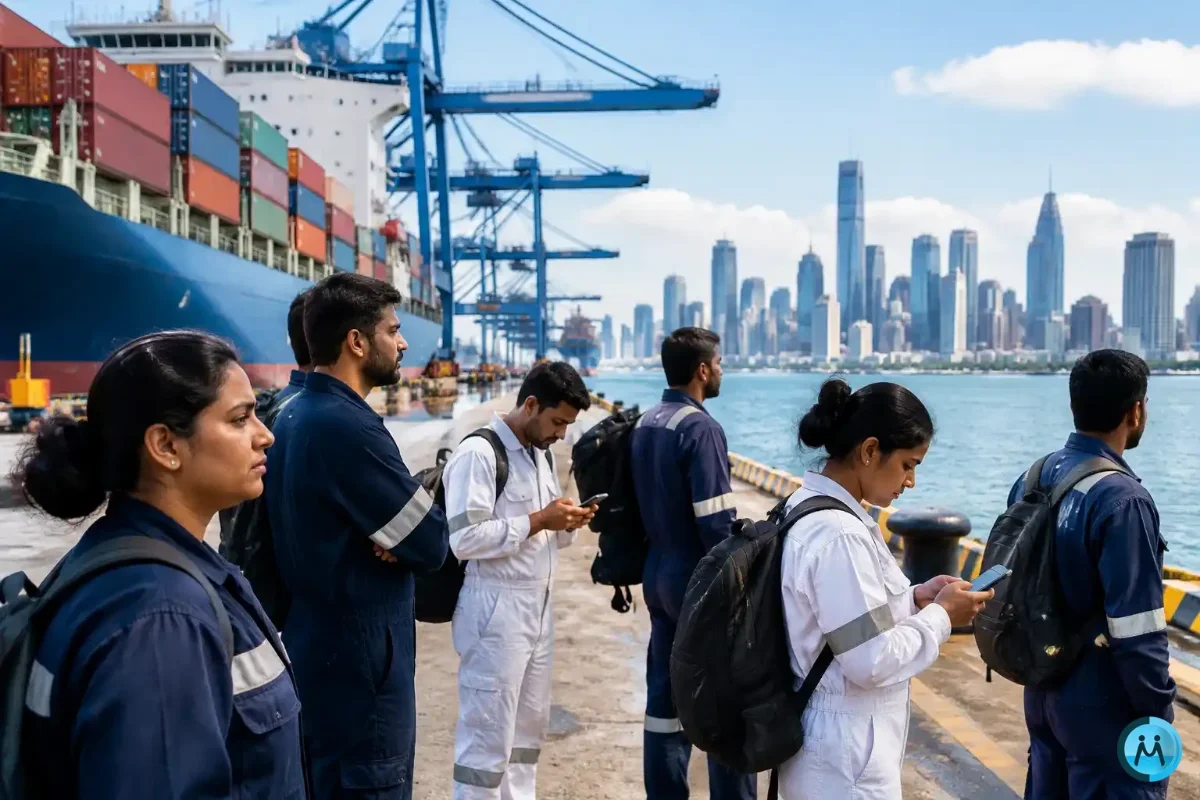
After weeks of watchkeeping, cargo work and drills, a few hours ashore can feel like fresh air for the mind. Yet shore leave restrictions remain one of the biggest frustrations in modern seafaring. Many crew members finish a whole contract without stepping onto the quay, even though international rules say they should be allowed ashore.
This 2026 guide explains what the law says, why shore leave is still refused so often, what has changed recently and what you can do when you are kept on board without a good reason.
Table of Contents

What the Law Says About Shore Leave
Shore leave is not a favour from the company. Under the Maritime Labour Convention, 2006 (MLC), Regulation 2.4 says seafarers shall be granted shore leave to benefit their health and well-being. The ILO guidance on the MLC also links this right to Regulation 4.4, which covers access to welfare facilities ashore.
In simple words, going ashore should be the normal practice. Shore leave restrictions without a valid reason go against this principle.
The IMO FAL Convention
The IMO Convention on Facilitation of International Maritime Traffic (FAL) covers the port state side. Its standards ask public authorities to let crew go ashore while the ship is in port, once arrival formalities are complete. Crew should not need a visa just for shore leave, and they must not be treated differently because of nationality, race, sex or religion.
The 2025 MLC Amendments
In June 2025 the International Labour Conference approved new MLC amendments. They make it clearer that states must allow shore leave without discrimination and without asking for a visa or special permit, unless there are serious public health, safety, security or public order reasons.
Shipowners must also let off-duty crew go ashore when this does not put the ship’s safety or operation at risk. Governments are asked to treat seafarers as key workers. The amendments are expected to enter into force on 23 December 2027.
Why Shore Leave Restrictions Still Happen
The rules look clear on paper, but research shows a different reality. A study by the ITF Seafarers’ Trust and World Maritime University, based on answers from almost 5,900 seafarers, found that more than a quarter got no shore leave at all during their contract. Of those who did get ashore, 47% spent less than three hours off the ship.
A March 2026 survey by the German Seamen’s Mission in 16 ports found a median of about four hours ashore. When leave was refused, seafarers most often pointed to the authorities (37%), workload (33%) and the master (19%).
The most common shore leave restrictions come from:
- Immigration and visa rules – some countries still demand visas or special passes, or keep certain nationalities on board.
- Terminal security – ISPS checks, escorts and long walks through the terminal eat into short port stays.
- Fast turnarounds – many container ships and tankers stay alongside for less than a day.
- Workload and lean manning – cargo work, inspections, maintenance and paperwork leave little off-duty time.
- Blanket bans – some companies or masters stop all shore leave by policy instead of deciding case by case.
- Transport and cost – remote terminals often have no shuttle bus, and taxis can be expensive.
- Security risks – in conflict areas, crews may be kept on board for their own safety.

Quick poll: tap your answer to see how other seafarers voted. No sign-up needed.
Recent Changes Seafarers Should Know in 2026
Some governments are easing shore leave restrictions. In July 2026, India’s Directorate General of Maritime Administration issued a new SOP for crew on Indian-flag coastal vessels. Seafarers no longer need to visit immigration offices for shore leave passes, because port authorities now handle the process. Read more in our report on India’s landmark SOP for shore leave passes.
Elsewhere the picture is mixed. In Australia, welfare groups have warned that a shortage of volunteers makes it harder to drive seafarers from terminals into town, as covered in our story on shore leave challenges in Australia.

How to Handle Shore Leave Restrictions on Board
You cannot always change port rules, but you can protect your rights and make the most of the time you do get.
Know Your Rest and Duty Schedule
Check the port watch plan as soon as the ETA is confirmed. If your rest hours fall during the port stay, ask the chief officer or chief engineer early whether you can be released. Accurate rest hour records also help show when workload, not safety, is the real reason you are kept on board.
Ask in Good Time and Keep a Record
Make your request before arrival and note the answer. If shore leave restrictions are imposed, politely ask for the reason. A written or logged reason is useful if you later need to raise a complaint.
Use Port Welfare Services
Seafarers’ centres, port chaplains and ship visitors can often arrange transport, SIM cards, Wi-Fi and help with passes. Ask the ship’s agent which welfare services operate in the port before you arrive.
Raise a Complaint When Rules Are Broken
If you are kept on board without a valid reason, use the on-board complaint procedure required by the MLC. You can also contact your union, an ITF inspector or port state control. Keep a note of dates, ports and the reasons you were given.

Quick quiz: how well do you know your shore leave rights?
Five true-or-false questions. Tap an answer to see if you are right.
1. Under MLC 2006, seafarers shall be granted shore leave to benefit their health and well-being.
2. Under the IMO FAL Convention, you need a visa just to go ashore on shore leave.
3. The master can never refuse shore leave for any reason.
4. The 2025 MLC amendments ask governments to treat seafarers as key workers.
5. If you are kept on board without a valid reason, you can use the on-board complaint procedure.
FAQ on Shore Leave Restrictions
Can the master impose shore leave restrictions?
Yes, but only for good reasons, such as the safety or operation of the ship, cargo work or a real security threat. Under the MLC, shore leave should be the normal practice, and refusals should not be blanket bans or a form of punishment.
Do I need a visa to go ashore?
Under the FAL Convention, crew should not need a visa just for shore leave, and the 2025 MLC amendments say the same. In practice some countries still ask for visas or passes, so check with the agent before arrival.
Who can help if shore leave is unfairly refused?
Start with the master and the company. If that does not work, contact your union, the ITF, a port welfare centre or port state control, and keep a clear record of what happened.
Conclusion
Shore leave is a basic right, not a luxury. It protects mental health, reduces fatigue and keeps seafarers connected to life outside the ship. Shore leave restrictions will not disappear overnight, but knowing the rules, planning ahead and speaking up when rules are broken can make a real difference. The 2025 MLC amendments will add more protection from 2027. Until then, use every tool you already have.
Did this article help you? Tap one reaction below. It takes one second and helps us choose our next stories.
This article was prepared with the help of Internet Search and AI assistance tools.