

ISWAN to Expand Seafarer Welfare and Assistance Programs
MarTrust, a prominent crew payments provider serving over 150,000 seafarers, has announced a partnership with the International Seafarers’ Welfare and…

MarTrust, a prominent crew payments provider serving over 150,000 seafarers, has announced a partnership with the International Seafarers’ Welfare and…

The Maritime and Coastguard Agency (MCA) will launch a digital platform in 2026 to modernize cadet training and assessment, moving away from paper methods. This platform will use technology to simulate real-life scenarios, enhancing skills in digital navigation, cybersecurity, and data management, while streamlining progress tracking through a cloud-based app.

Northern Marine Management Ltd (NMM) is enhancing crew welfare by installing Inmarsat Maritime’s NexusWave on select Stena Bulk and Proman Stena Bulk vessels. This initiative aims to provide high-speed internet for better talent attraction, enabling seafarers to connect with family and engage in remote learning, thus improving both well-being and operational performance.

Seafarers face significant challenges in accessing shore leave, with a 61% decline in time spent at welfare centers since the pandemic began. A study revealed that nearly 70% of crew members now have less than two hours ashore, highlighting barriers like short port stays and company restrictions affecting their well-being.

In February, the Anglo-Eastern Maritime Academy inaugurated the world’s first operational LNG/ammonia bunkering station skid in Karjat, Mumbai. This initiative aims to equip seafarers with essential skills for handling alternative fuels. The academy offers specialized training courses on methanol and bunkering practices, supporting the maritime industry’s shift toward sustainable operations.

On Wednesday, the Department of Foreign Affairs (DFA) assured deported Filipino seafarers of support and pledged to raise their issues with US officials. The seafarers, expelled under allegations of discrimination and due process violations, requested a diplomatic protest. The DFA will collaborate with relevant agencies to investigate and provide assistance.

Data from the International Seafarers’ Welfare and Assistance Network (ISWAN) shows a marked increase in mental health inquiries through their SeafarerHelp helpline. In early 2025, 15.5% of contacts were mental health-related, with stress and anxiety being prevalent issues. The rise in digital communication reflects growing awareness and need for support.

The latest Seafarers Happiness Index from The Mission to Seafarers shows a notable decline in seafarer happiness, dropping to 7.05 out of 10. Contributing factors include worsening wages, health concerns, and training opportunities. Crew interactions have also diminished, while improved digital connectivity offers a glimmer of hope amid ongoing challenges.

The Centre of Excellence in Maritime and Shipbuilding, Drydocks World, and Cochin Shipyard Limited have signed a Memorandum of Understanding to develop a skilled maritime workforce in India. This initiative, formalized during India Maritime Week 2025, aims to position India as a global leader in shipbuilding and repair training.

Indian seafarers face numerous challenges at sea, prompting the Directorate General of Shipping to launch the Sagar Mein Yog initiative. This program integrates yoga and mindfulness into their routines, promoting physical and mental wellness. Aimed at enhancing resilience, it aligns with India’s goal to supply 20% of the world’s seafarers by 2030.

The latest Seafarers Happiness Index (SHI) reveals a concerning decline in seafarer wellbeing, with the average happiness score falling to 7.05 out of 10. Key issues include worsening wages, health, and training conditions. While digital connectivity improved, chronic stress and fatigue remain prevalent, highlighting urgent systemic challenges within the maritime industry.

On October 26, 2025, crew members aboard the MSC Splendida displayed remarkable bravery, rescuing 19 migrants from drowning off Mallorca’s coast. Under challenging conditions, they swiftly deployed life-saving equipment, saving 16 men, one woman, and two young children. Their professionalism earned accolades from Samoa Shipping Services and a private dinner from Captain Maresca.

InterManager is urging seafarers to participate in a global survey addressing fatalities in enclosed spaces, despite improved safety measures. In 2023, 14 incidents resulted in 34 deaths, primarily in bulk carriers. The survey seeks insights from those affected to enhance training and hazard awareness, aiming to reduce these tragic occurrences.

Thirty-two Filipino seafarers have been rescued from an abusive employer in Fiji by the Department of Migrant Workers and the Overseas Workers Welfare Administration. They endured mistreatment, including delayed wages and physical abuse. Upon returning to the Philippines, they received financial assistance and support services to help them rebuild their lives.
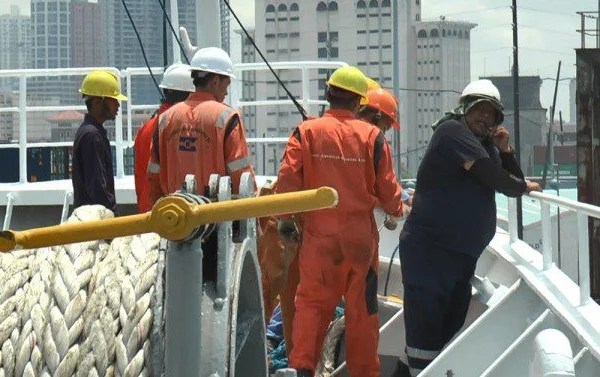
The Foreign Affairs, Foreign Employment, and Tourism Ministry, in collaboration with the Sri Lanka Mission in Egypt and Eritrean authorities, successfully repatriated six Sri Lankan seafarers detained in Eritrea. This operation reflects the ministry’s commitment to the welfare of Sri Lankans abroad, ensuring their interests are safeguarded through diplomatic efforts.