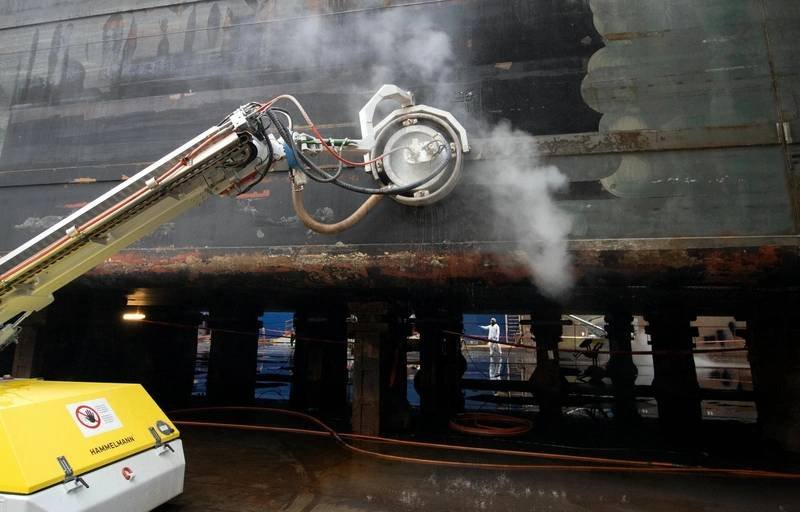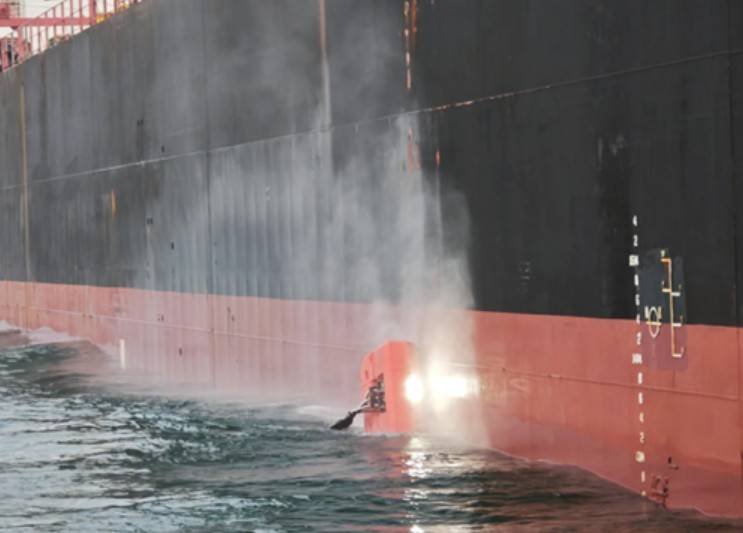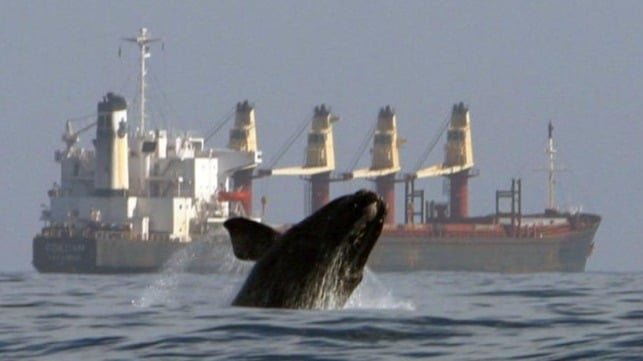
A new ISO standard, ISO 6319, has been published to guide port authorities, shipowners, and operators on environmentally sound ship hull cleaning practices. As hull cleaning gains popularity among shipowners, many ports still lack practical regulations. Biofouling on hulls can spread invasive species, damage ecosystems, and increase fuel consumption and greenhouse gas emissions, according to Irene Øvstebø Tvedten, Senior Adviser at Bellona and project manager for the Clean Hull Initiative.
ISO 6319 aims to provide a framework for responsible hull cleaning, ensuring that harmful organisms and chemicals are not released into the environment. It allows ports and regulators to request documentation from service providers, facilitating assessments of the environmental protection offered by cleaning technologies. Luc Van Espen from the Port of Antwerp-Bruges emphasizes that an internationally accepted standard creates a level playing field, limiting the transfer of invasive species between ports.
The standard addresses the varied approval procedures among ports, which can challenge shipowners. Contributors like Wallenius Wilhelmsen and Jotun highlight the importance of uniformity in applications to reduce operational disruptions and enhance environmental protection. Tvedten concludes that ISO 6319 will empower ports and regulators to make informed decisions regarding hull cleaning practices.