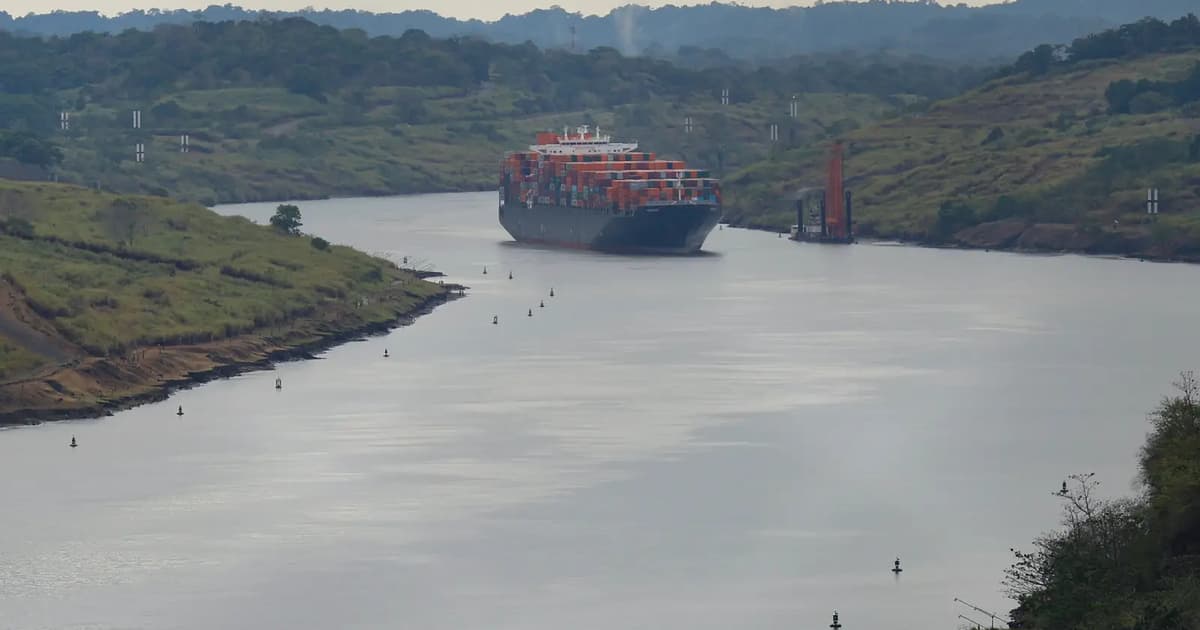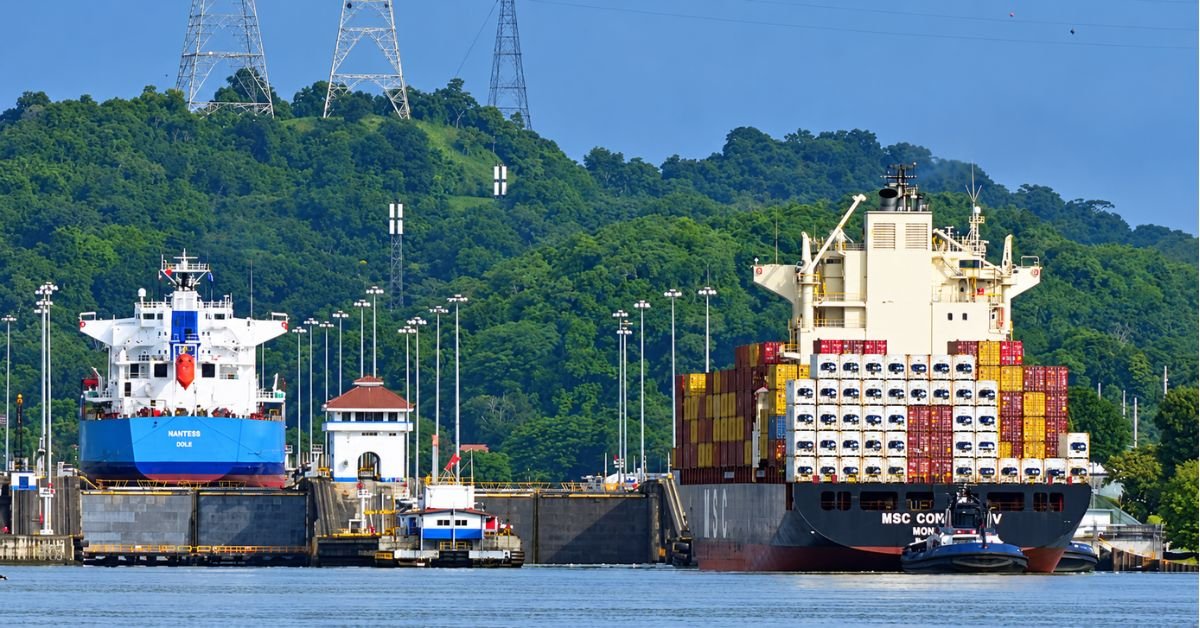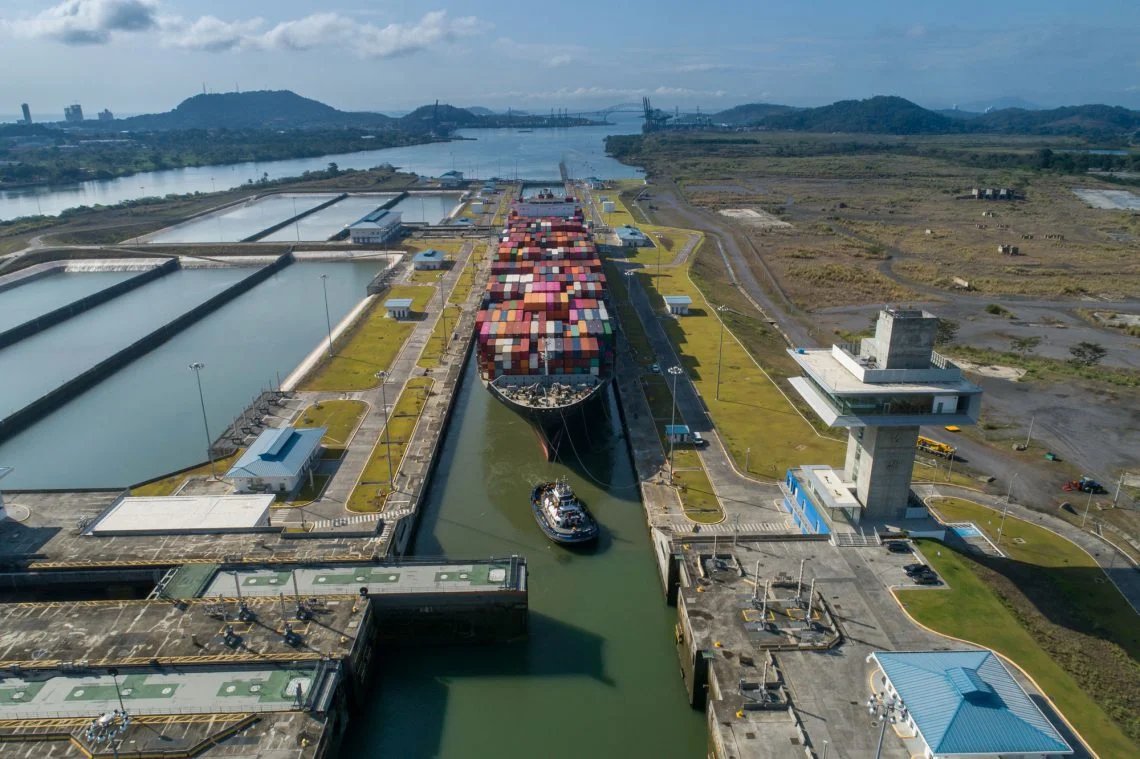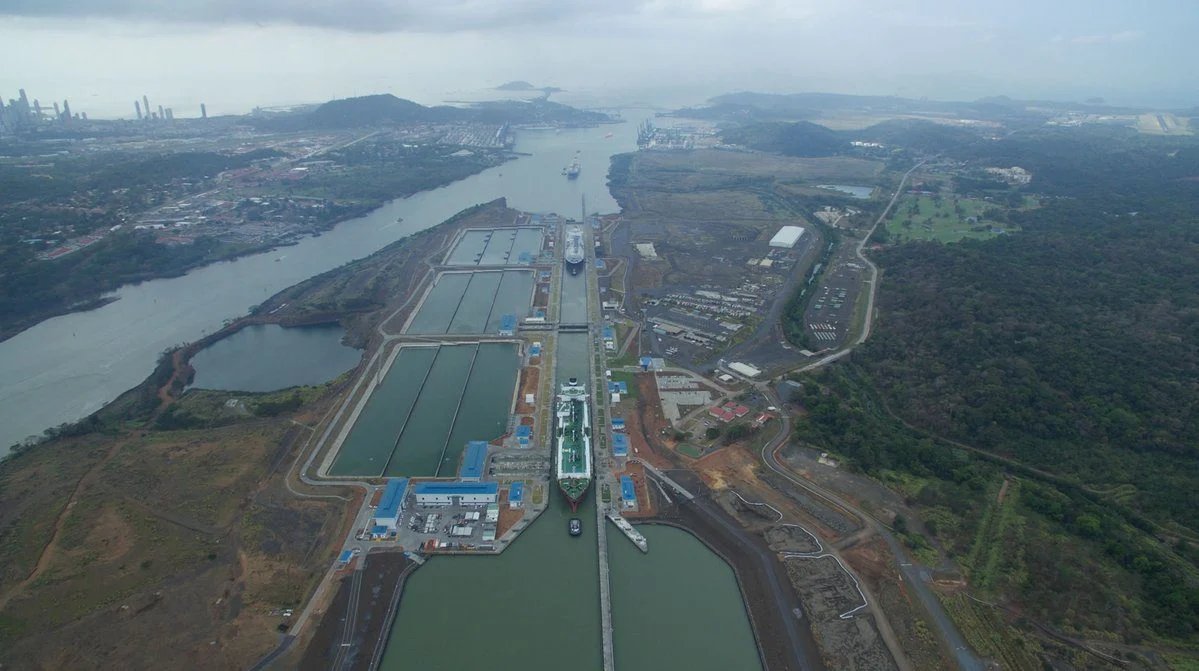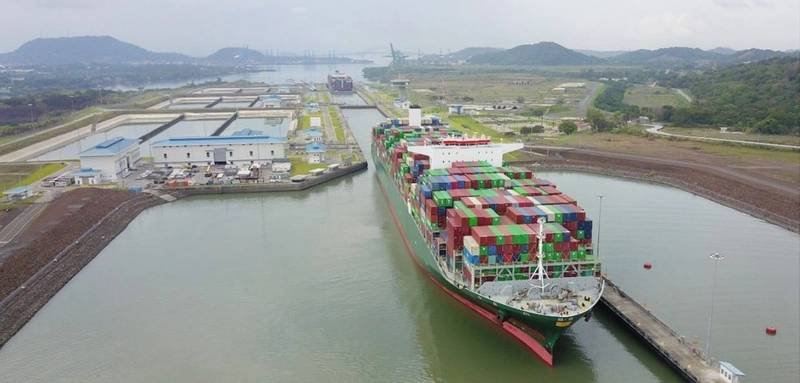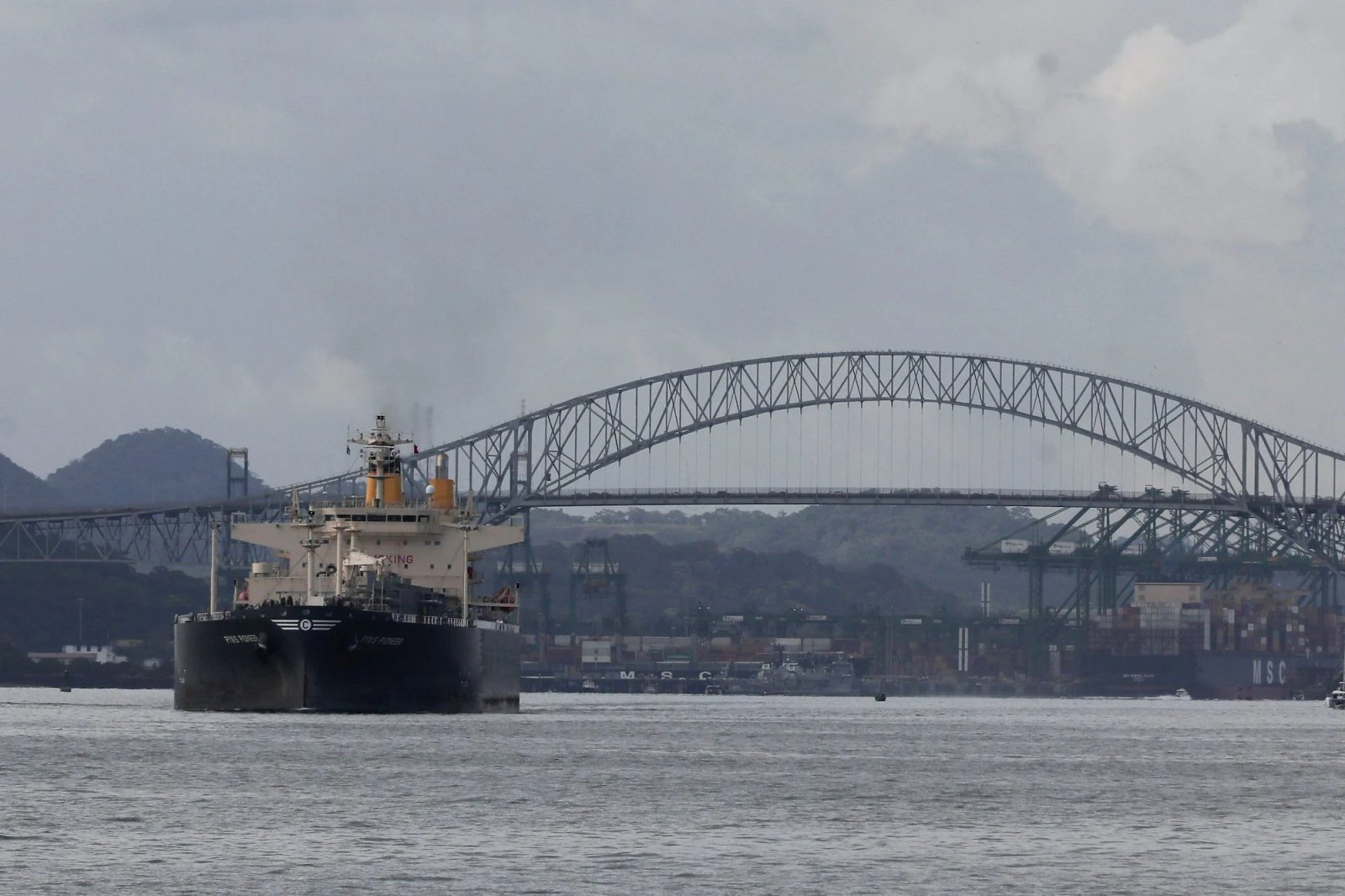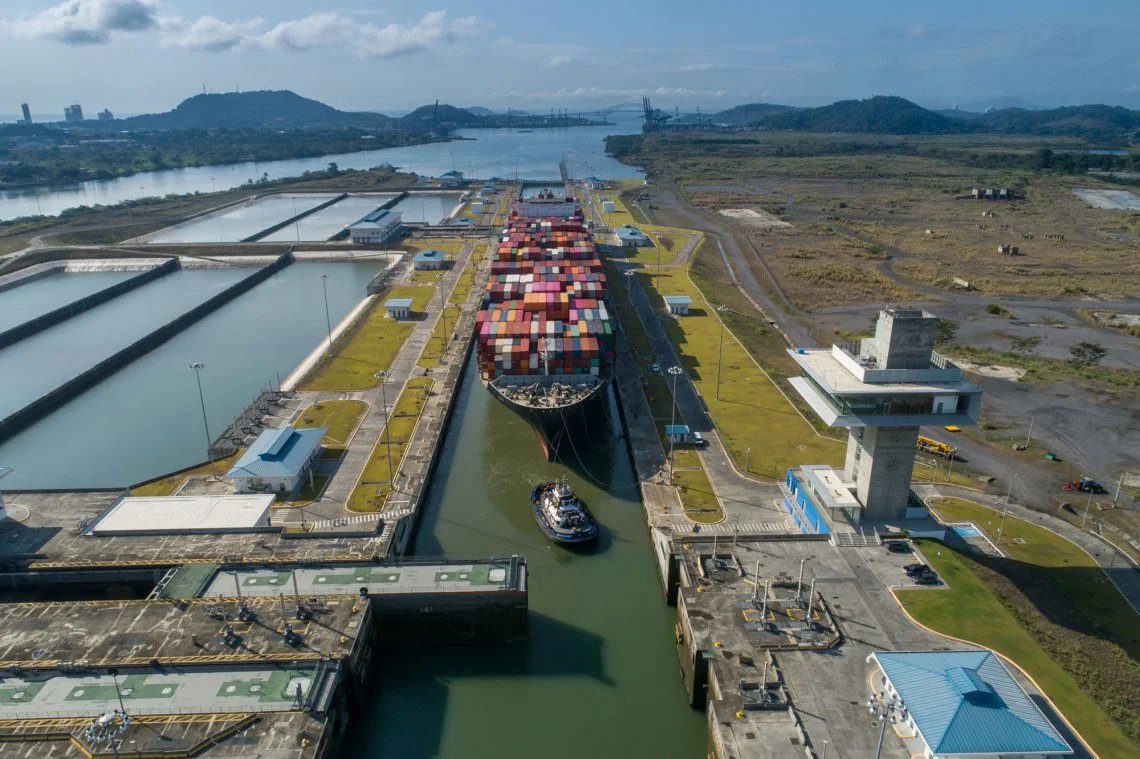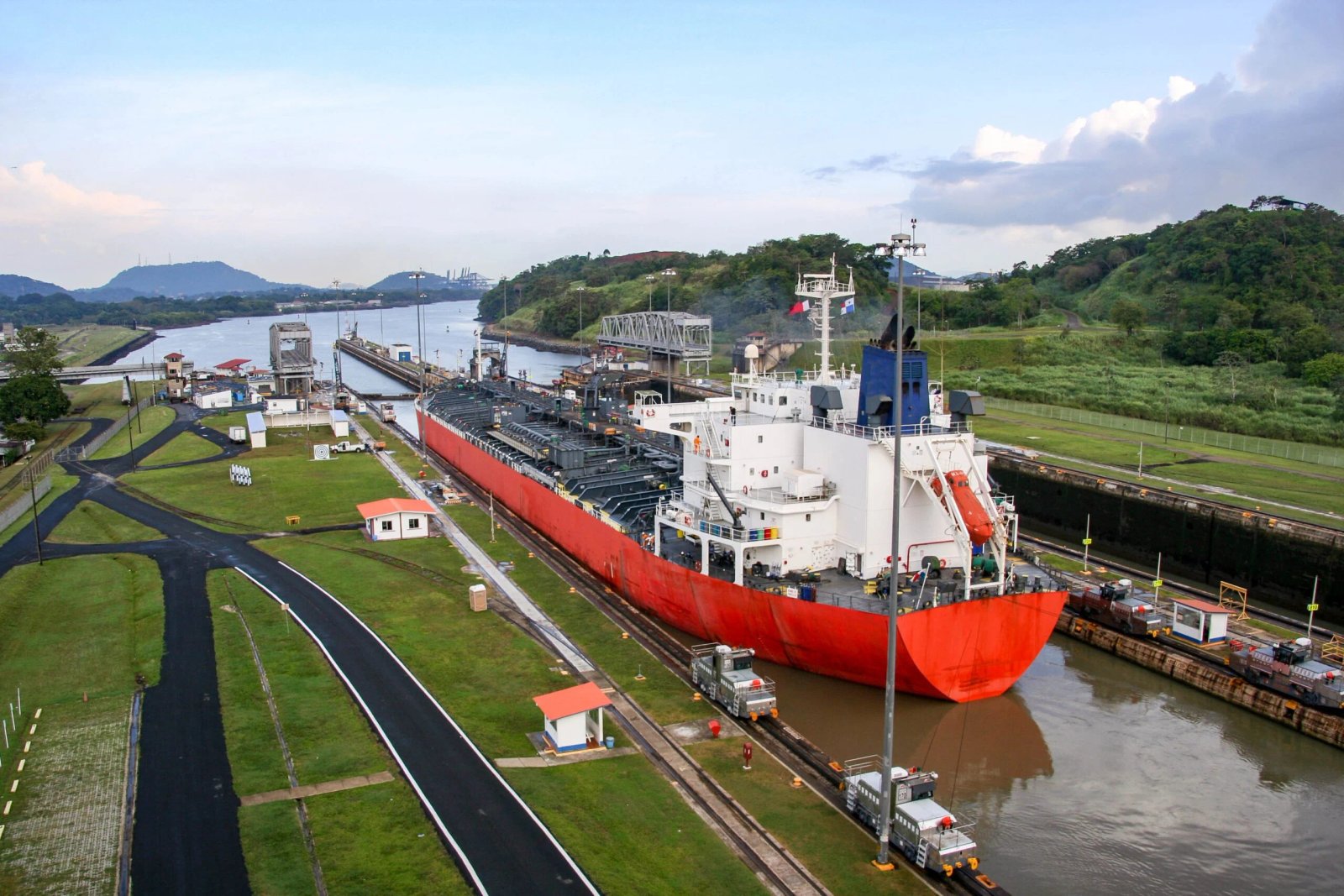
The Panama Canal experienced notable growth in vessel traffic, tonnage, and revenue for the fiscal year ending September 30, 2026. Despite ongoing concerns about water availability, increased demand from energy carriers and containerships boosted transit volumes. A total of 13,951 vessels transited the canal during this period, marking a 4.1% increase from the previous year’s 13,404. Additionally, total tonnage rose 6.5% to 521 million Panama Canal Universal Measurement System (PC/UMS) tons, compared to 489.2 million tons in fiscal 2025.
The rise in traffic was largely driven by larger vessels, particularly those utilizing the Neopanamax locks, which constituted 52.2% of total tonnage with an 8.2% year-over-year increase. Financial results were also robust, with total revenue reaching approximately $6.6 billion, a 16.6% improvement from the prior year. These figures, though unaudited, reflect the canal’s successful navigation of increased shipping demand while implementing water conservation measures amid fluctuations in rainfall.
To address operational challenges related to water levels, the canal recently reinstated its Last-Minute Reservation service for Panamax locks, allowing vessels without existing reservations to secure transit slots as they become available. This decision follows improved watershed conditions and aims to enhance service reliability. However, water availability remains a pressing concern, and the canal has warned of potential operational adjustments if conditions under the developing El Niño pattern worsen. For its long-term sustainability, the Panama Canal is pursuing infrastructure projects, such as the proposed Río Indio Lake Project, as part of a broader vision for future operations.