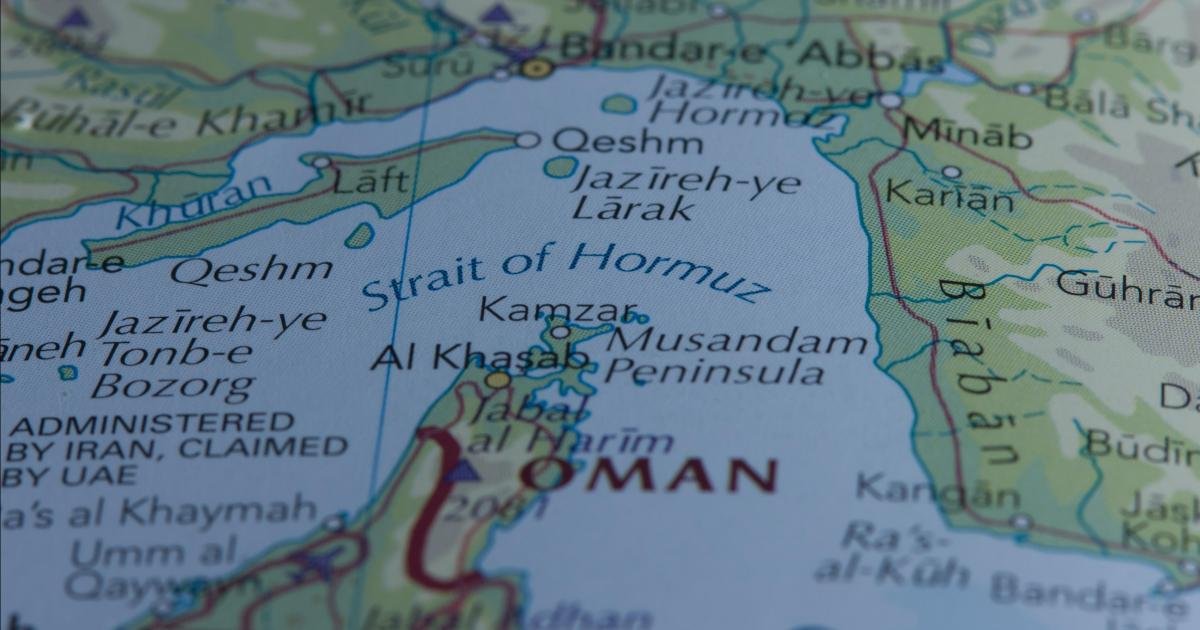
On August 11, 2026, US President Donald Trump intensified his demands regarding Iran amidst ongoing discussions about reopening the Strait of Hormuz. He declared that Iran must provide reparations for previous attacks, countering Iranian claims for compensation related to war damages. Trump’s comments, made via social media, emphasize his expectation for Iran to compensate not just for lives lost due to conflict but also for the hundreds of thousands of protestors killed over decades. This marks a significant hardening of positions that may jeopardize the potential for a successful negotiation.
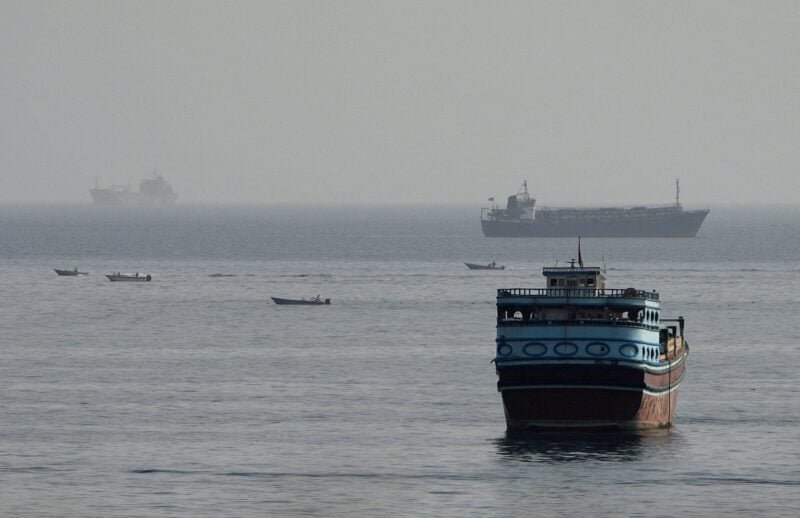
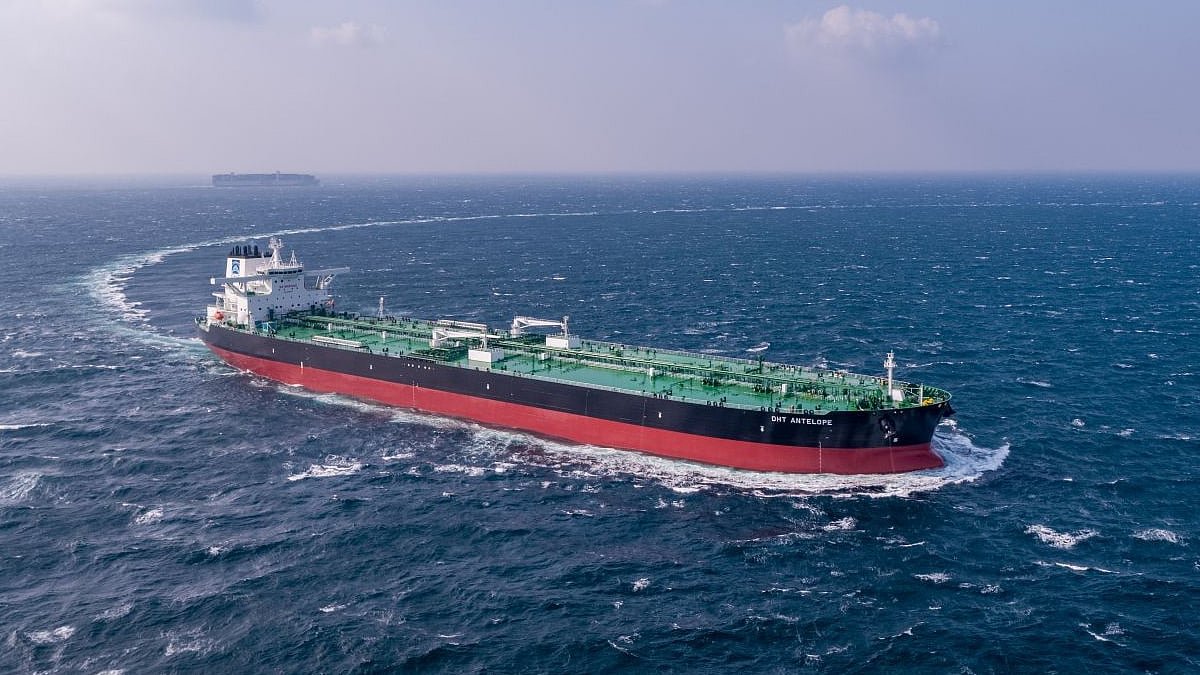
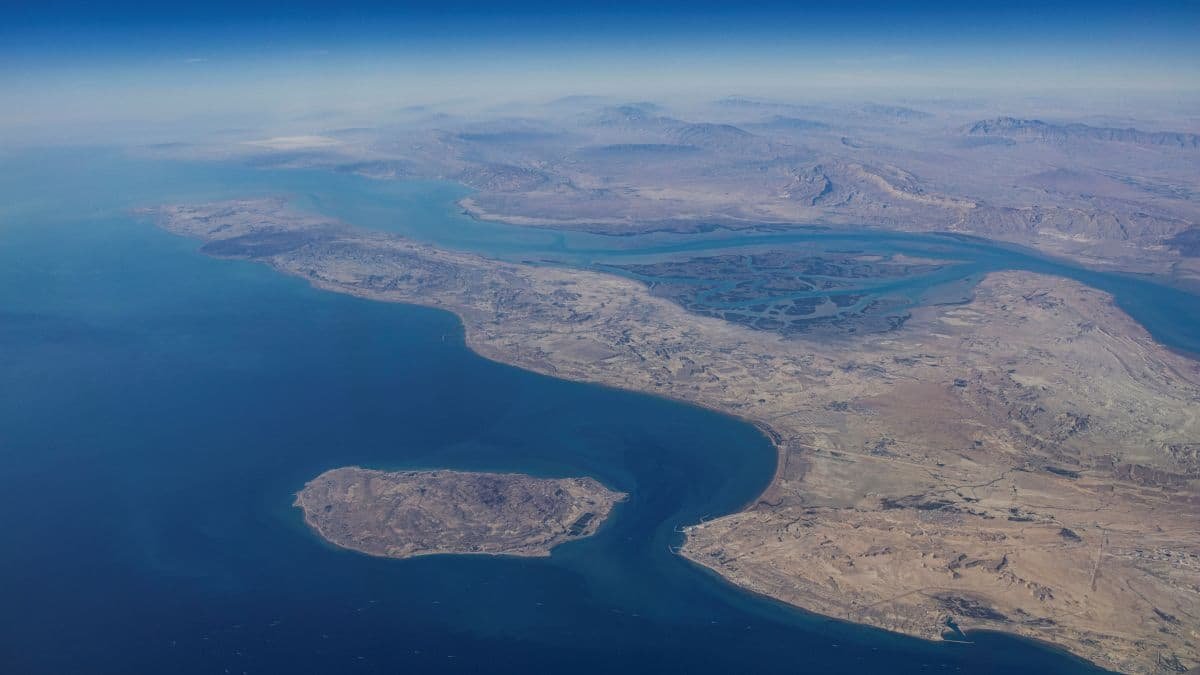
In his statements, Trump further insisted that Iran should be accountable for the repercussions of its actions in several Middle Eastern conflicts, complicating diplomatic efforts. Expectations of an agreement are diminishing, especially as Iran continues to pursue its own demands, including lifting US maritime blockades and compensation for damages incurred during the ongoing war. The closure of Hormuz has already strained global trade and economic growth, with rising costs for oil transportation and increased inflation forecasts.
The current climate suggests that reaching a consensus may be increasingly difficult, especially as both nations dig in their heels on reparations. Trump’s recent communications also hint at a willingness to escalate military measures if necessary, indicating that tensions in the region may continue to rise in light of these developments.