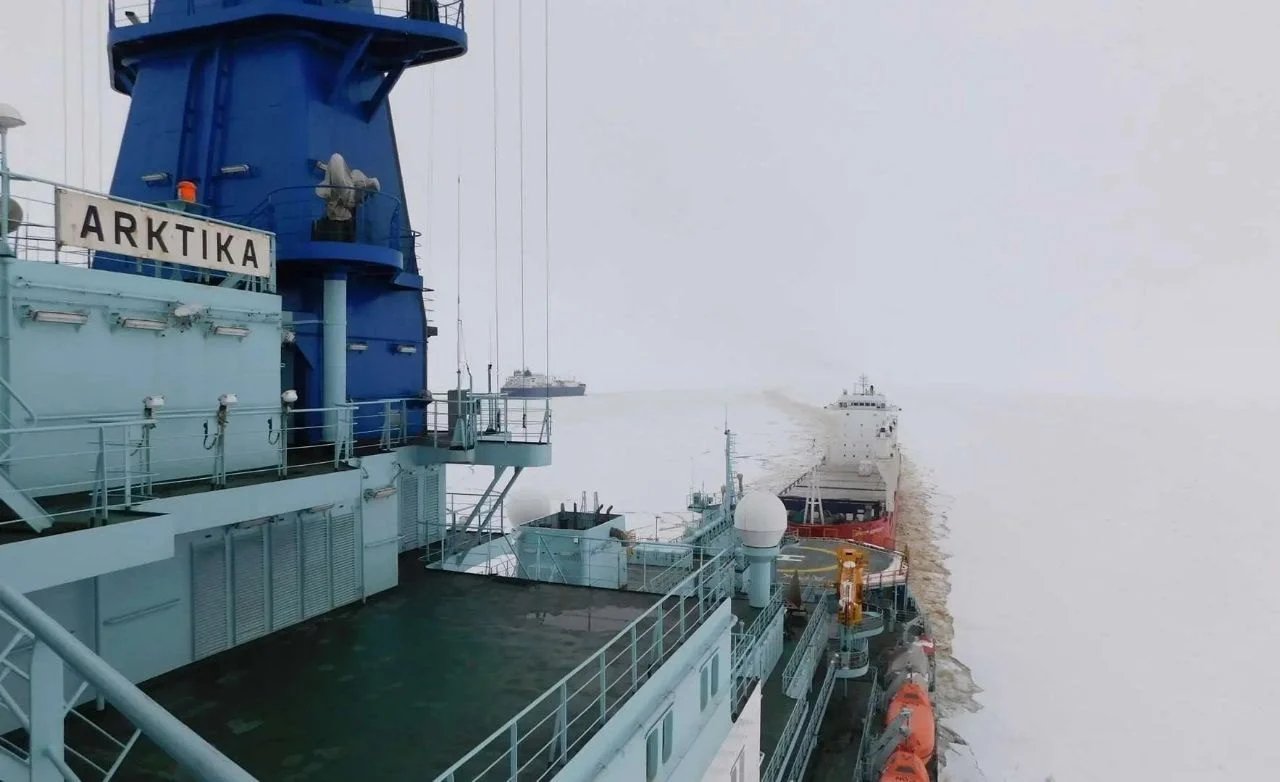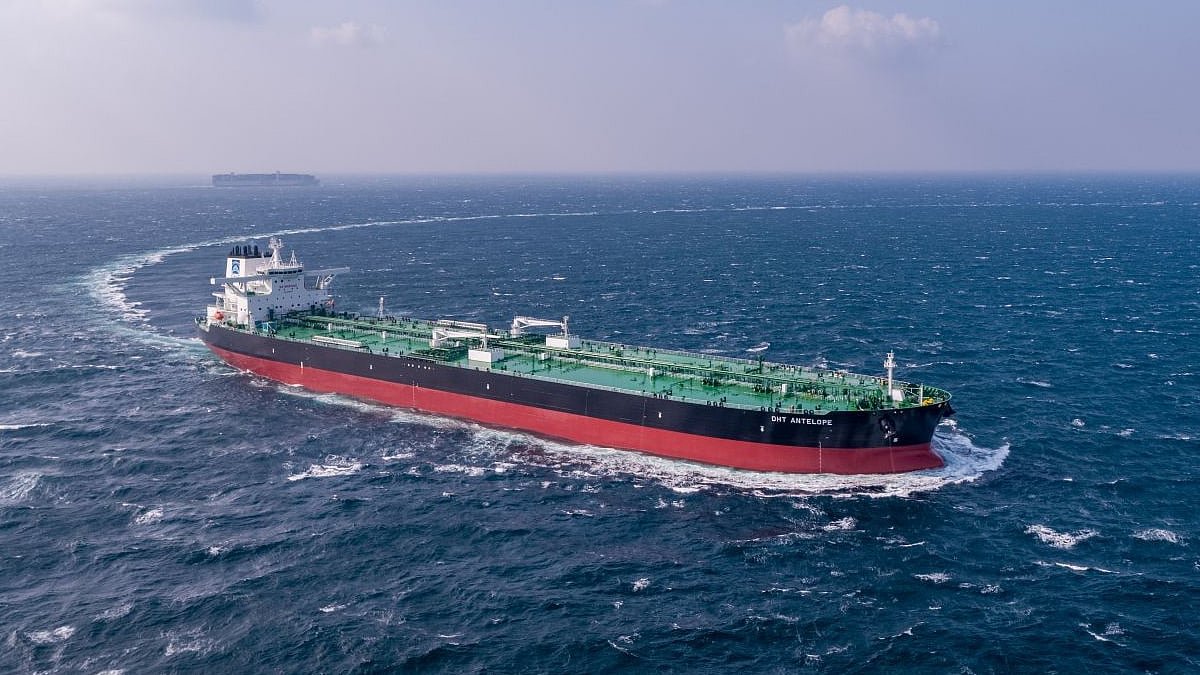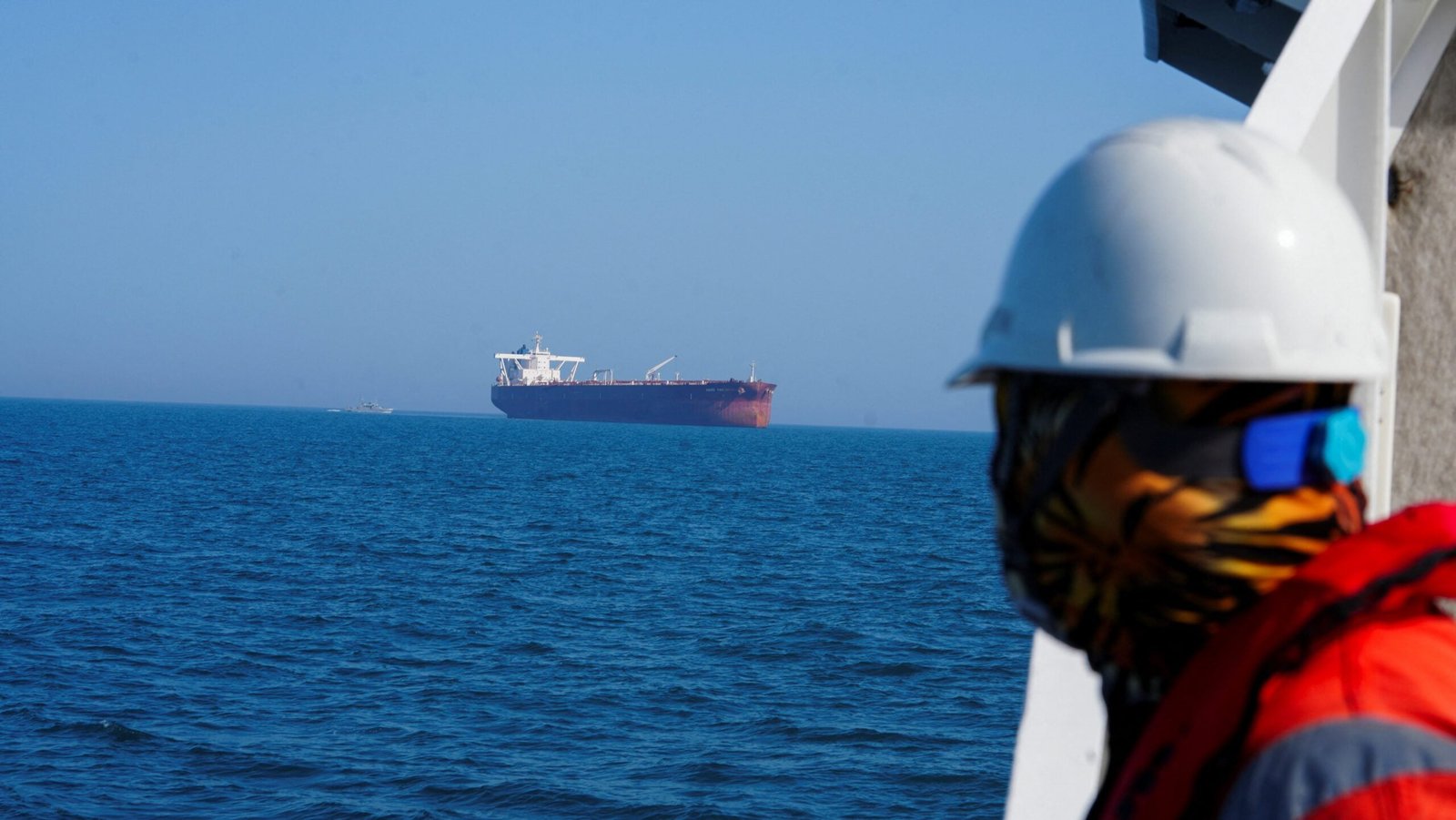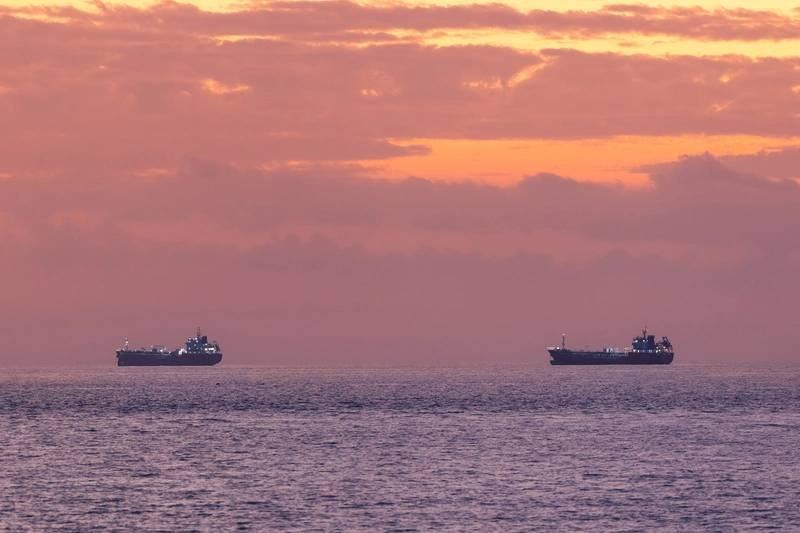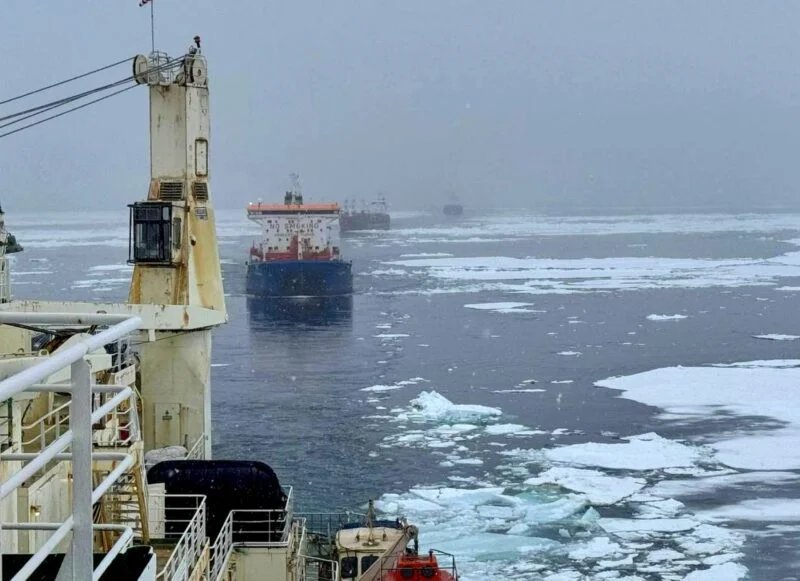
A conventional product tanker, the 22-year-old Dakar, is currently undertaking an atypical late-season voyage along Russia’s Northern Sea Route. Notably, the vessel lacks an ice-class designation, raising concerns as the Arctic navigation window begins to close. The Dakar, with a deadweight tonnage of 21,300, is transporting methyl tert-butyl ether (MTBE), a gasoline additive, after acquiring the cargo from a ship-to-ship transfer off South Korea. The tanker is reportedly heading west along the Russian Arctic coast.
The significance of this voyage lies in the Dakar’s status as a conventional product tanker with no ice reinforcement. Previously named Vulcano M before its 2024 renaming, it’s owned by Vulcano Marine SA and managed by Dubai’s Ultramarine Navigation Management. The European Union sanctioned the Dakar in July for its involvement in transporting Russian petroleum products and its questionable shipping practices, while Ukrainian authorities have categorized it within Russia’s shadow fleet due to prior operations from Black Sea ports.
While Russia’s regulations permit conventional vessels to navigate the Northern Sea Route between July and November, the increasing presence of ice discourages such operations as the season progresses. Historically, most tankers operating in this region are ice-class equipped, as Russia’s Arctic oil sector relies heavily on these vessels. However, the Dakar’s timing stands out, particularly as past voyages have underscored the risks associated with non-ice-class ships encountering sea ice during late October. Despite this, a small number of non-ice-class vessels have performed Arctic voyages in recent years, with the Dakar included among conventional tankers entering the region, signaling an evolving trend in maritime operations in the Arctic.