ILO Adopts Migrant Fisher Labor Guidelines

New ILO Guidelines Enhance Protections for Migrant Fishers

The International Labour Organization (ILO) has introduced Guidelines for Fair Labour Market Services for Migrant Fishers during a recent meeting in Geneva. Aimed at protecting migrant fishers’ rights, these guidelines address recruitment processes, work agreements, and complaint procedures, highlighting the need for collaboration among stakeholders to combat human rights violations in the fishing industry.

Continue reading
Classnk Releases Guidelines For Onboard CO2 Capture And

ClassNK Publishes Updated Guidelines for Membrane-Based Onboard CO2 Capture

ClassNK has released the “Guidelines for Onboard CO2 Capture and Storage Systems (Edition 2.0),” focusing on membrane separation technology. These guidelines promote safe development and installation of onboard CO2 capture systems, addressing the increasing demand for emissions reduction in shipping. The updated edition includes broader requirements and generic standards for various capture methods.

Continue reading
Navigating the future of container shipping: Macro headwinds and decarbonisation-driven opportunity

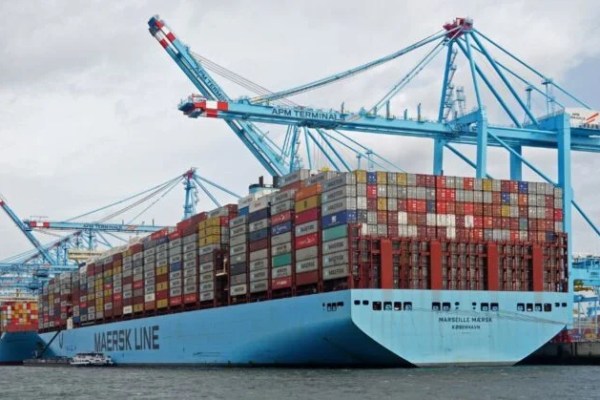
New Guidelines for Safe and Efficient Container Stowage

ClassNK has introduced innovative guidelines for the container shipping industry, enhancing stowage efficiency while prioritizing safety. Utilizing advanced technologies like weather forecasting and digital twin tech, these guidelines aim to prevent cargo collapse and improve overall safety and capacity. Key documents include updated protocols for cargo safety and anti-rolling devices.

Continue reading

ClassNK Enhances Safety and Loading Guidelines for Global Container Shipping

ClassNK has unveiled new guidelines to enhance container shipping efficiency and safety. Key documents include guidelines on optimizing container stowage, utilizing weather forecasts, and anti-rolling devices. These resources aim to improve cargo safety, reduce rolling, and incorporate advanced technologies, reinforcing ClassNK’s commitment to safe maritime practices.

Continue reading

Guidelines for Preventing Crew Fatigue Onboard for Safer Operations

Skuld Club recently highlighted the critical risks of fatigue onboard vessels, stressing its detrimental effects on crew health and operational safety. Prolonged exertion, disrupted sleep, and high stress contribute to impaired performance and increased accident risks. To address this, Skuld advocates for adherence to IMO rest hour guidelines and improved crew wellbeing practices.

Continue reading

Guidelines on Digital Twins Transforming the Maritime Industry

The CIMAC working group WG20 has released the guideline “Digital Twins in the Maritime Industry.” This framework aids stakeholders in understanding and implementing digital twin technology, detailing six dimensions to define various types. It includes an allocation table and real-world use cases, emphasizing the alignment of models with specific applications for effective use.

Continue reading
The new security protocols from ClassnK for the shipping of ammoniacan companies: securing secure operation

ClassNK Releases Guidelines for Safe Ammonia Shipping Operations

ClassNK has unveiled “Guidelines for the Safe Operation of Ammonia-Driven Ships,” aimed at enhancing safety in the navigation of ammonia-fueled vessels. These guidelines outline critical practices for crew safety, addressing ammonia leak responses and essential PPE. As the industry shifts toward alternative fuels, these insights ensure operators are well-prepared for the associated risks.

Continue reading

IMO Adopts Guidelines to Protect Seafarers’ Rights Against Unfair Detention at Sea

The International Maritime Organization (IMO) has adopted new guidelines to protect seafarers from unfair treatment in foreign jurisdictions. These guidelines focus on ensuring due process, protection from coercion, and maintaining wages and medical care during legal proceedings. The goal is to promote fairness and dignity for seafarers worldwide and improve coordination among countries, shipowners, and seafarers.

Continue reading

Sustainable Crewing Guidelines Unveiled to Enhance Seafarer Working Conditions and Combat Shortages

The Global Maritime Forum introduced the “Sustainable Crewing Guidelines” during Singapore Maritime Week to enhance seafarers’ working conditions and combat an expected shortage of 90,000 professionals by 2026. These guidelines, based on the Diversity@Sea program, focus on creating safer, more inclusive maritime workplaces by addressing key issues like harassment prevention and career advancement.

Continue reading

Revised OCIMF Guidelines for Safe Single Point Mooring Operations Released

The Oil Companies International Marine Forum (OCIMF) has released updated guidelines for purchasing and testing SPM Hawsers, crucial equipment for safely mooring tankers during oil loading and unloading. The revised edition includes enhanced visuals, product specs, and forms to ensure proper specification, purchasing, and testing. Industry stakeholders emphasize the importance of common understanding.

Continue reading

IACS Issues Guidelines for 3D Printing in Marine Applications

IACS has introduced Rec. 186 to guide the integration of Additive Manufacturing (3D printing) in marine and offshore sectors. The recommendation outlines standards for qualifying and certifying metallic parts, emphasizing design, material selection, and testing. This framework aims to enhance safety and reliability while leveraging AM’s benefits in critical applications.

Continue reading
New Report Set To Tackle Critical Issue For EV

Ensuring Safe Transportation of Electric Vehicles on PCTC Vessels

The Maritime Technologies Forum (MTF) has released a detailed report on the safe transportation of electric vehicles (EVs) on PCTC vessels. Titled “Safe Carriage of Electric Vehicles,” the report addresses EV fire characteristics and emphasizes early detection, prevention, firefighting, evacuation procedures, and training to enhance safety onboard ships. International regulations for EV transportation are in development.

Continue reading

India’s New Guidelines Issued on Restriction of Seafarers Above 65 Age

Seafarers over 65 may now face restrictions on employment in certain vessels, as per a recent DGS notification. This rule applies to cargo/passenger vessels under the Merchant Shipping Act, as well as river-sea/Indian coastal vessels without lifeboats. Companies can seek permission for older seafarers, ensuring they are fit for duty. Joy of Sailors Society supports the regulation.

Continue reading
Advertisements