

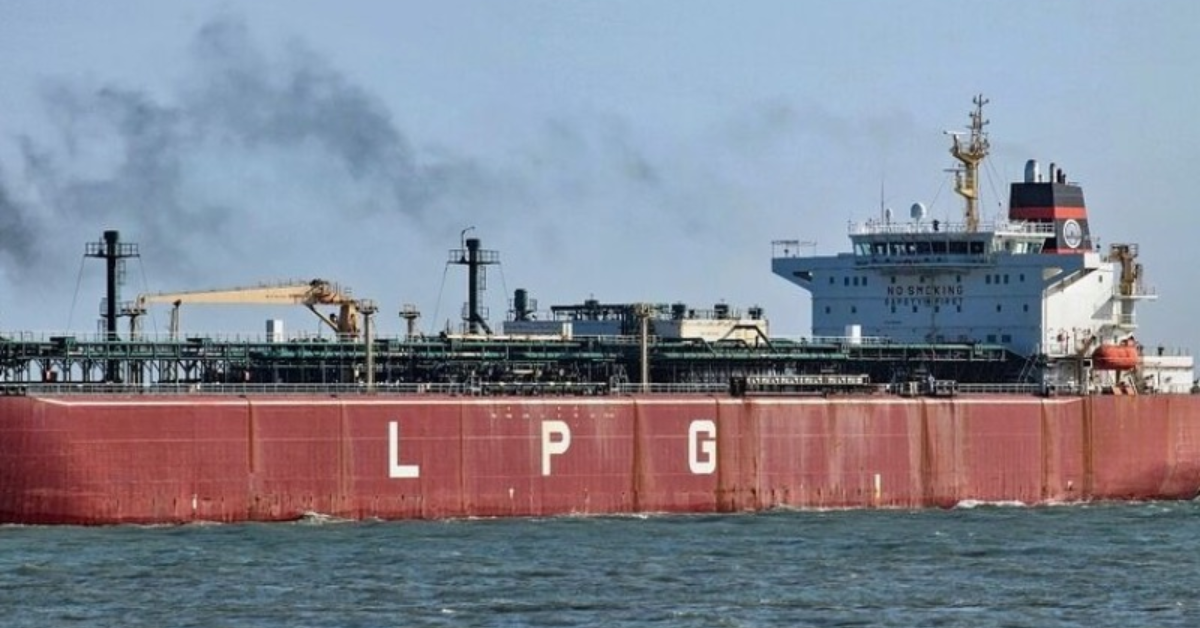
LPG carriers from the Persian Gulf are facing significant idling after discharging at Indian ports, as foreign-flagged vessels increasingly transport U.S. cargoes. This trend reflects shifting freight economics and disruptions in the global liquefied petroleum gas market. Gulf-based ships are struggling to secure backhaul employment, resulting in reduced fleet utilization and lower charter earnings, while foreign carriers exploit arbitrage opportunities to deliver U.S. LPG to major markets like India.
Indian ports, including Kandla and Hazira, report efficient discharge operations for recent shipments, yet returning vessels linger for days seeking new contracts amid escalating war-risk premiums. U.S. cargoes predominantly come from mid-sized VLGCs, benefiting from economies of scale and advantageous positioning, while foreign operators are securing charters in India, minimizing delays faced by Gulf carriers.
The dynamics favor the U.S., with production hitting a record 1.2 million bpd in early 2026, contrasting with the Gulf’s uncertainties. Charter rates for U.S.-India routes are significantly higher than for Gulf-India routes, reflecting the challenges Gulf carriers face. India’s diversified sourcing strategies, including increases in imports from Russia and the U.S., highlight a mature approach to managing supply shocks and suggest an urgent need for Gulf shipowners to pivot to new trading routes.


