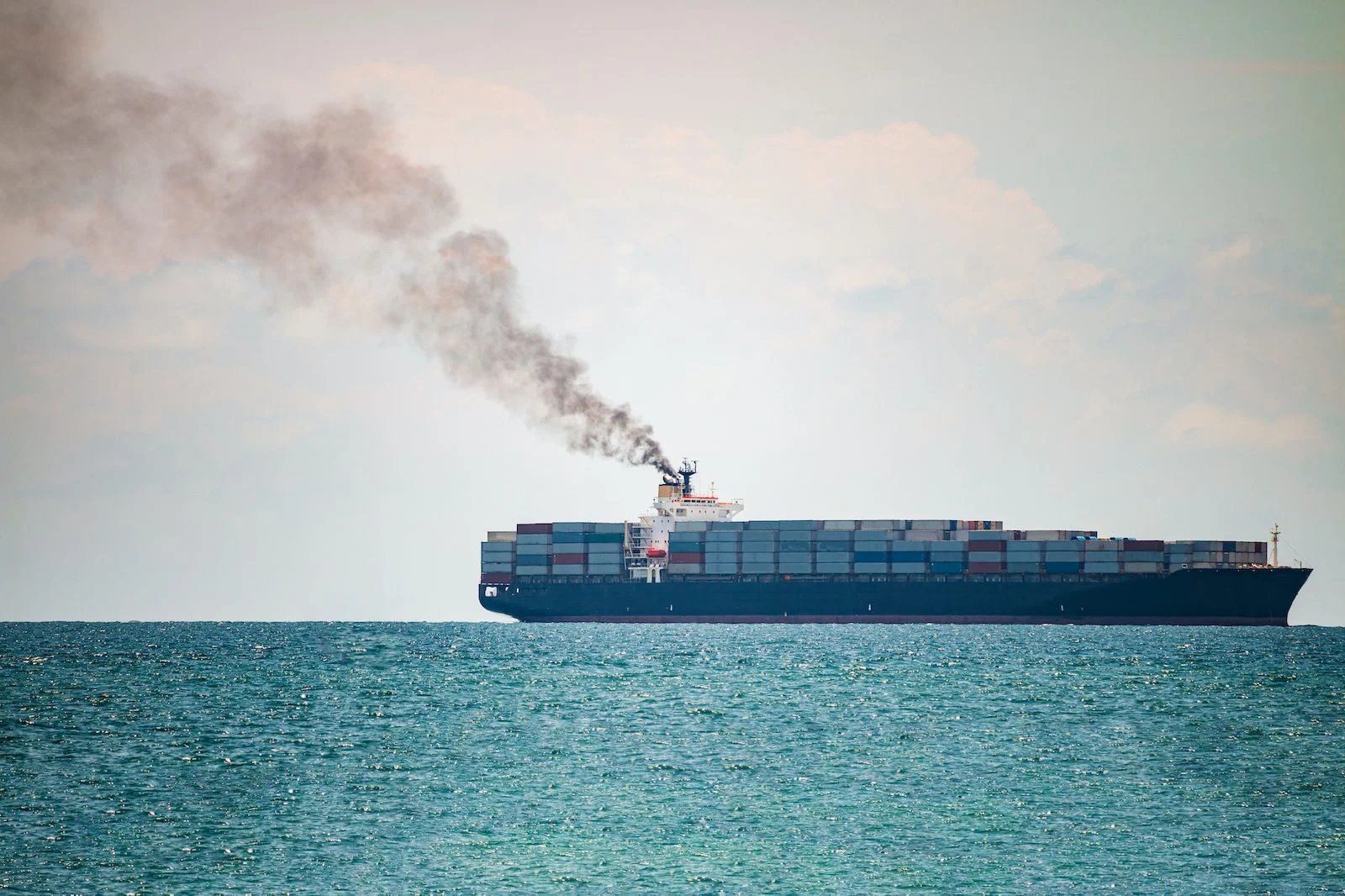
The International Maritime Organization (IMO) has demonstrated a unique institutional irony, especially visible during meetings like MEPC 84. In late April, after five days of negotiation, there was cautious optimism regarding the Net Zero Framework, which is gaining momentum since its preliminary agreement a year earlier. However, while progress is made on regulatory fronts, the alarming situation in the Arctic reveals a more urgent issue: black carbon emissions from shipping have surged almost threefold in just five years, underscoring the challenge of addressing environmental impacts amidst expanding maritime activity.
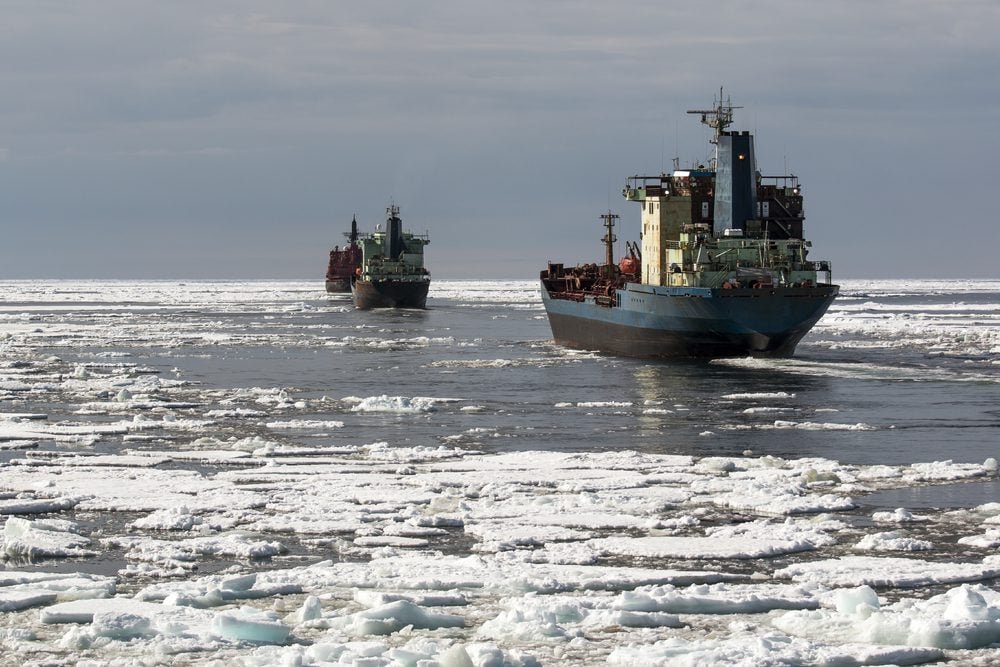
Recent data from the Clean Arctic Alliance highlights that black carbon emissions in the Polar Code region rose from 259 to 759 metric tonnes between 2019 and 2024. Unlike modeled projections, these figures are real emissions from vessels currently operating in the Arctic, exacerbated by the retreat of sea ice and new shipping routes. This increase in commercial traffic, including bulk carriers and cruise ships, symbolizes a troubling feedback loop where more vessels burn heavier fuels in already stressed environments, worsening climate change effects in the Arctic.
MEPC 84 did yield a significant outcome with the establishment of a new North-East Atlantic Emission Control Area, aiming to limit pollutants near Greenland, Iceland, and several European nations. This regulatory framework will lower sulfur oxide emissions, but it fails to address black carbon, a more complex combustion issue related to fuel types and engine performance. Improved engine maintenance and switching to cleaner fuels could markedly reduce emissions, but the industry’s ongoing reliance on heavy fuel oil complicates the transition toward cleaner technologies.
The recent trial of the MSC Opera ship, which operated on hydrotreated vegetable oil, showcased a viable immediate fix. It achieved significant emissions reductions without requiring extensive modifications, proving that cleaner transitional fuels can deliver measurable benefits. Despite these advancements, immediate action is required alongside regulatory progress to effectively tackle black carbon emissions in the Arctic, emphasizing that engineering improvements can lead to real-time solutions within the existing fleet while the larger regulatory frameworks evolve.
Related posts:
 Northern Sea Route to Close Early This Year Due to Persistent Winter Ice
 Russian Arctic Oil Tankers Prepare to Offload in Syria Amid U.S. Sanctions
 Historic Rogue Wave Recorded Near Vancouver Island Challenges Oceanography Beliefs
 Hybrid Marine Battery Systems to Drive Sustainability in Maritime Shipping