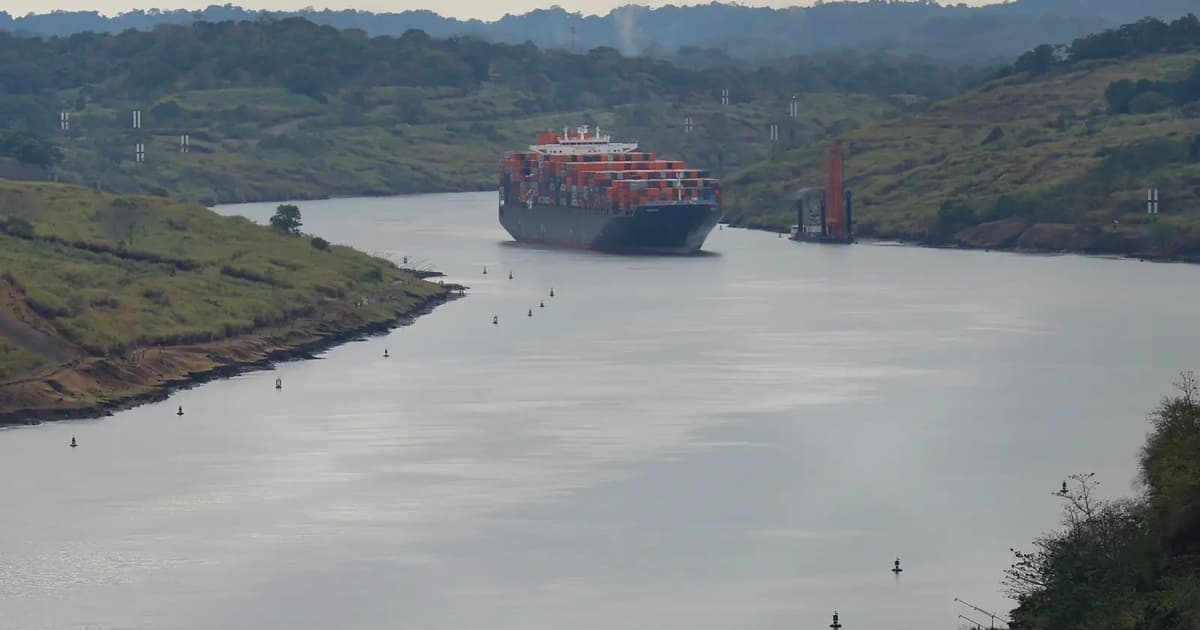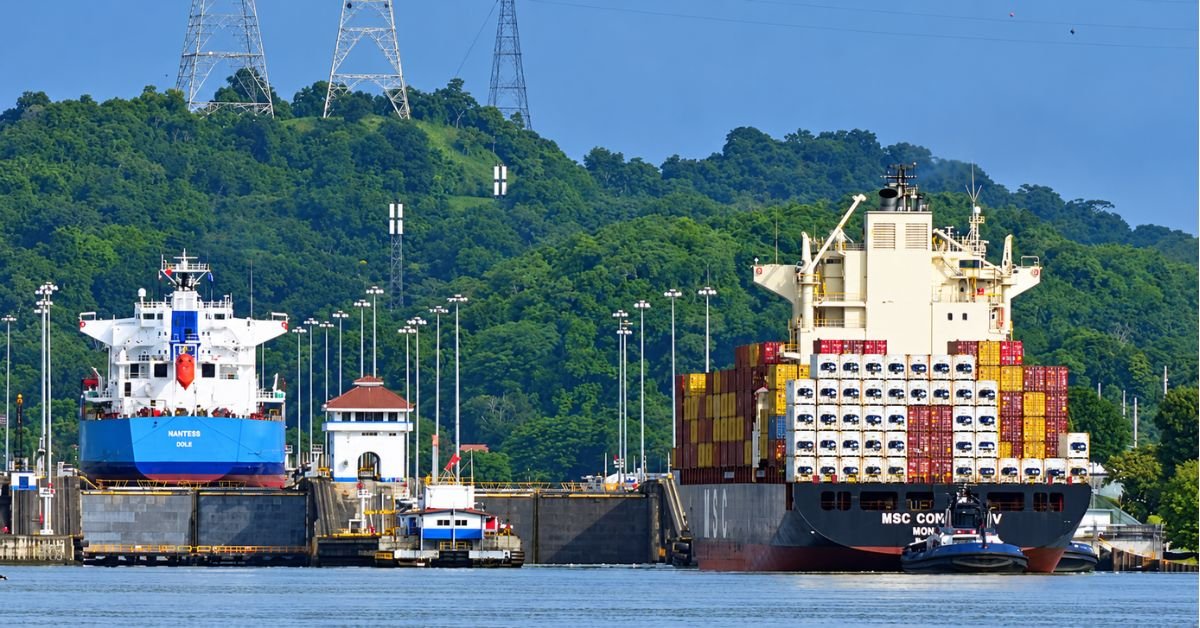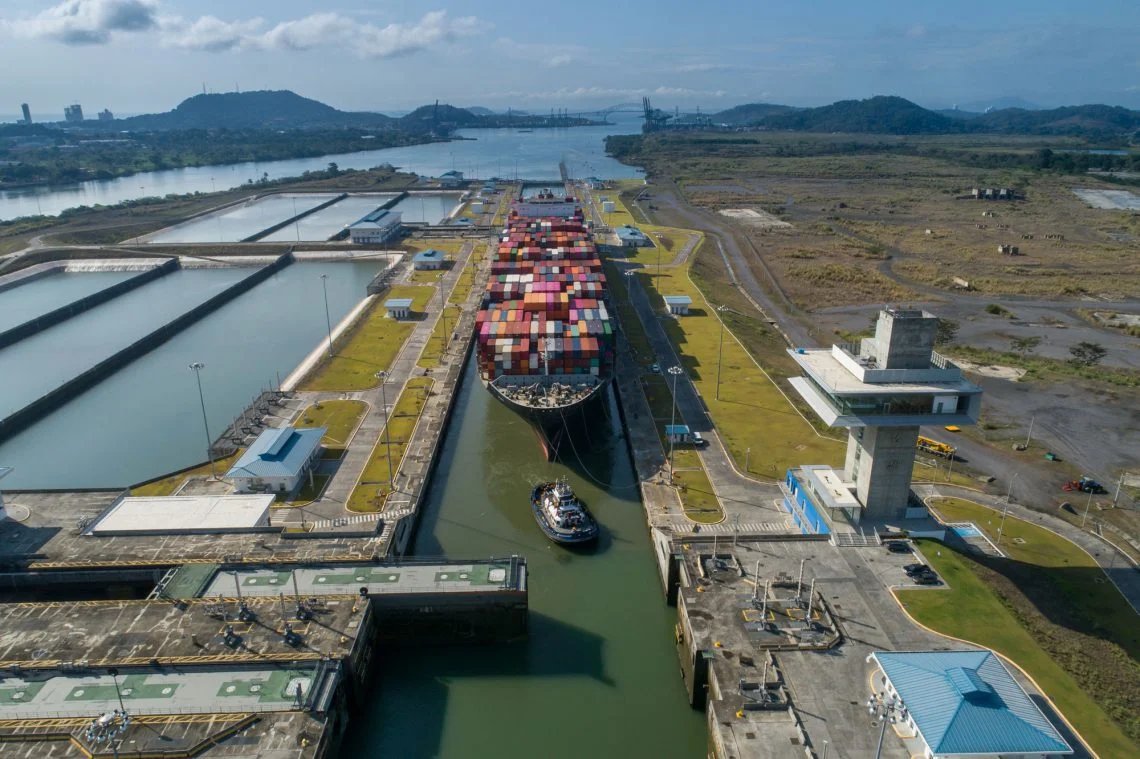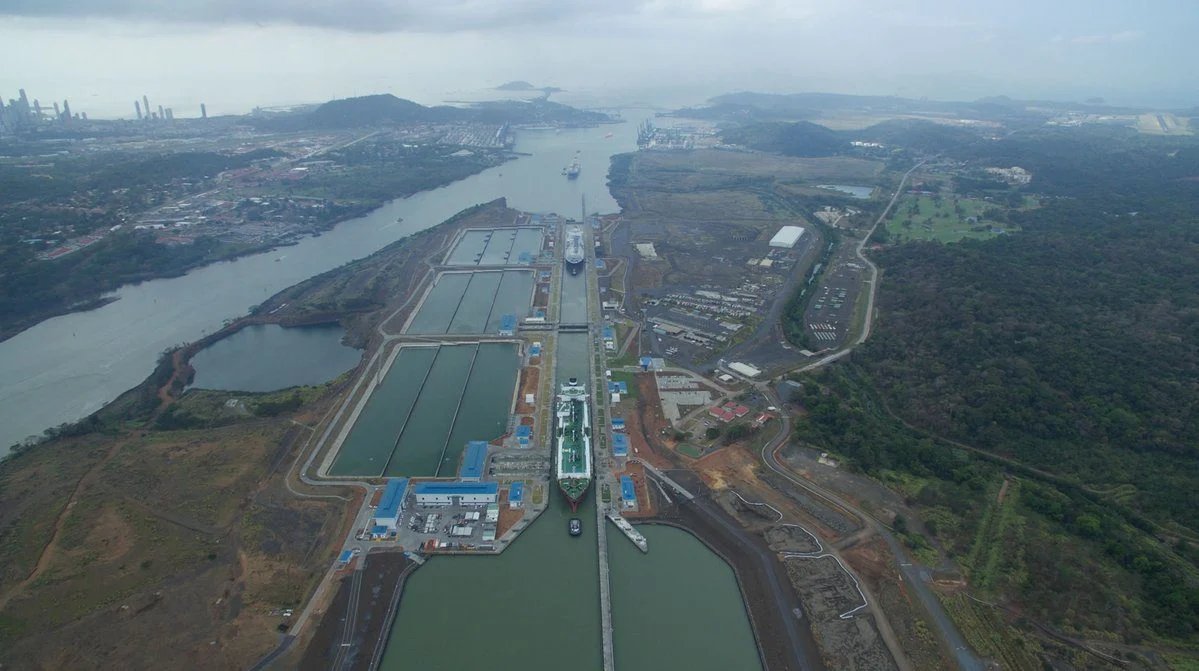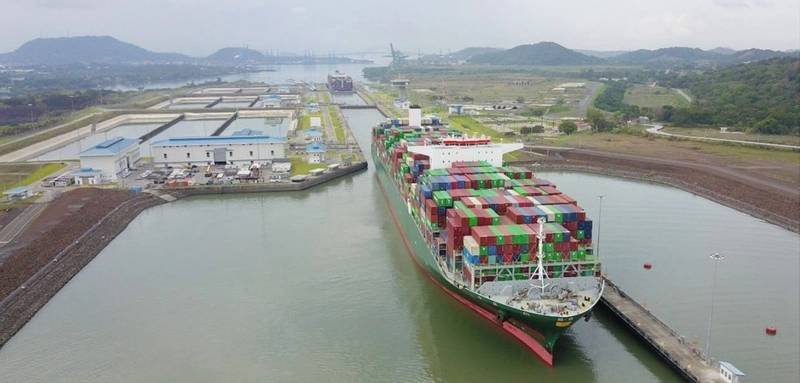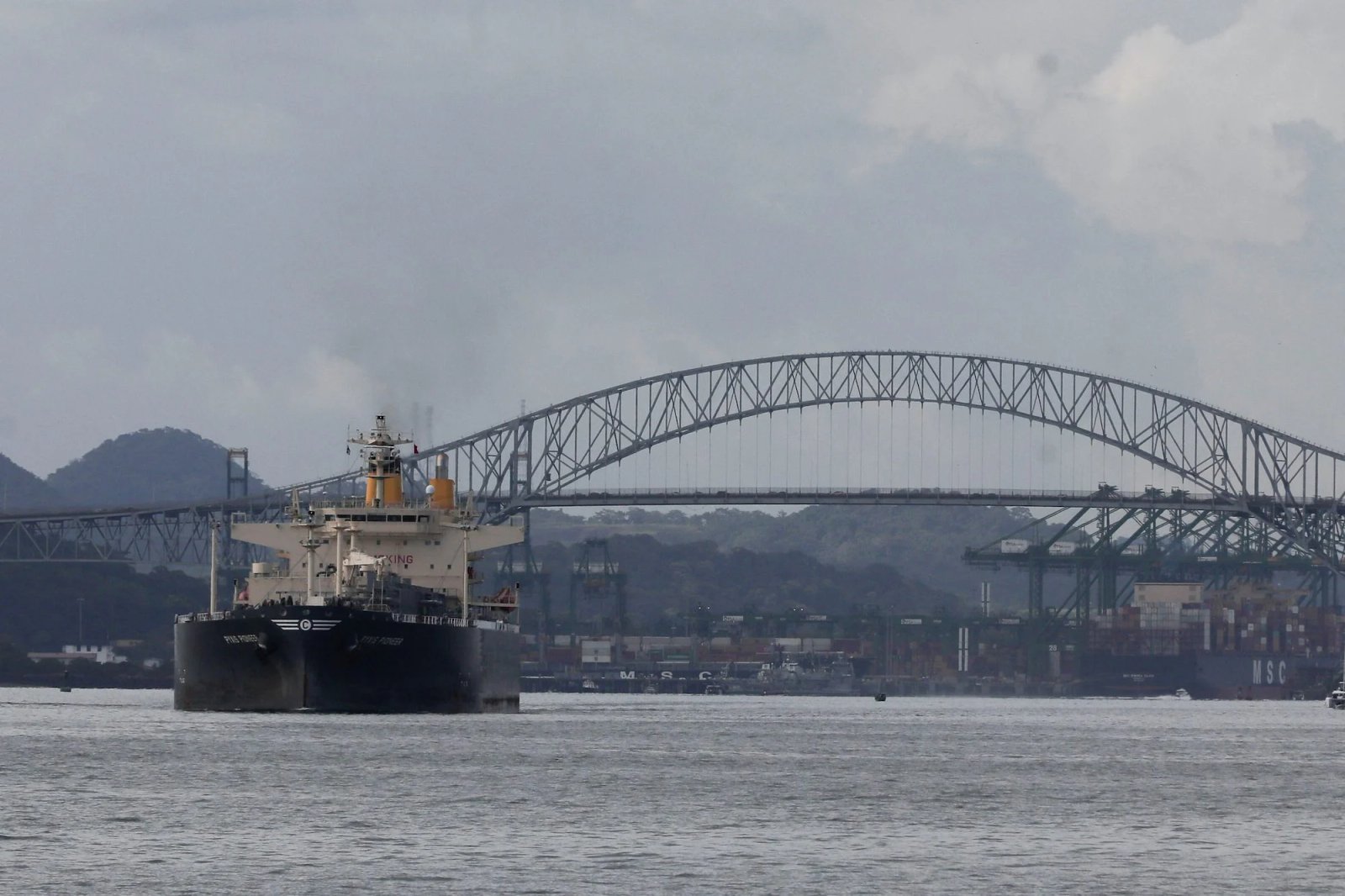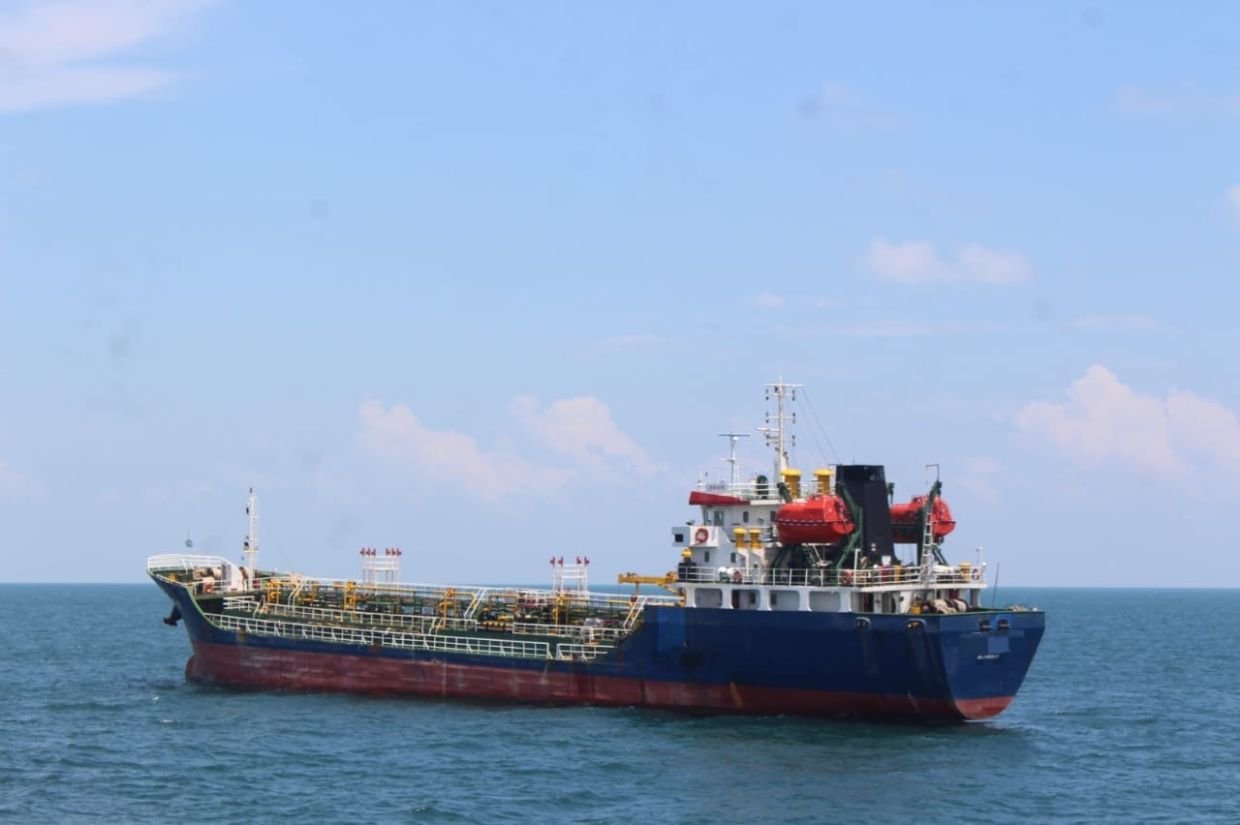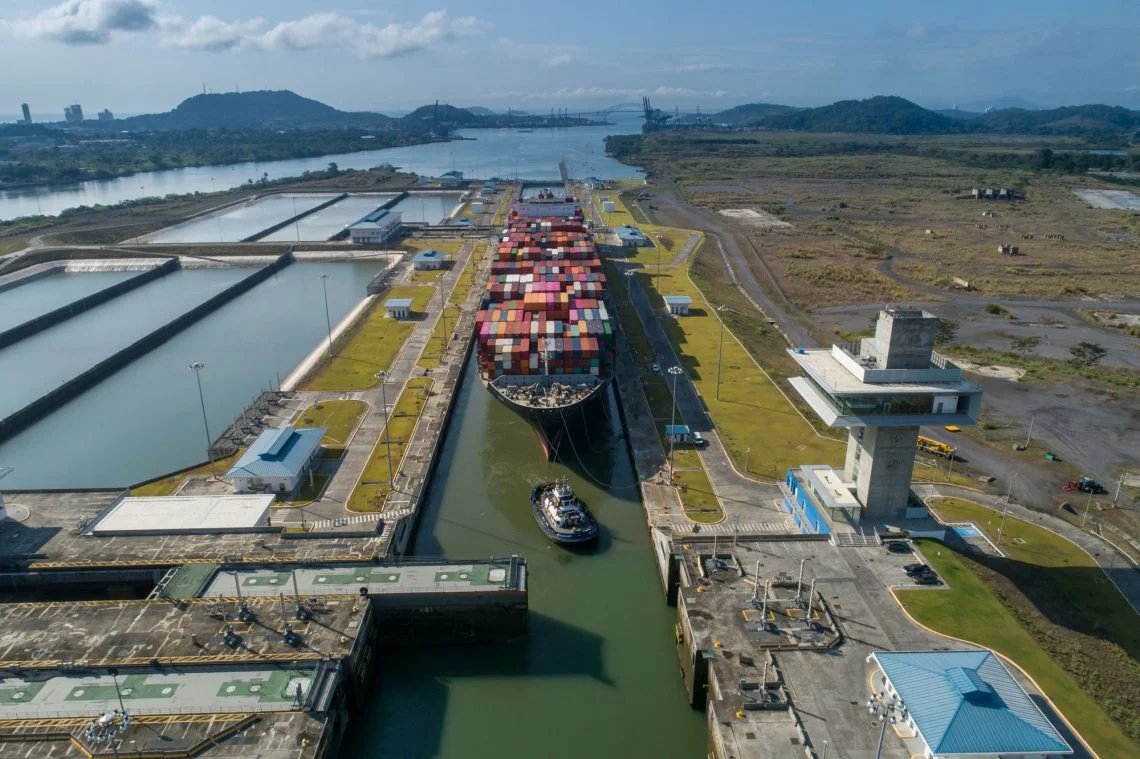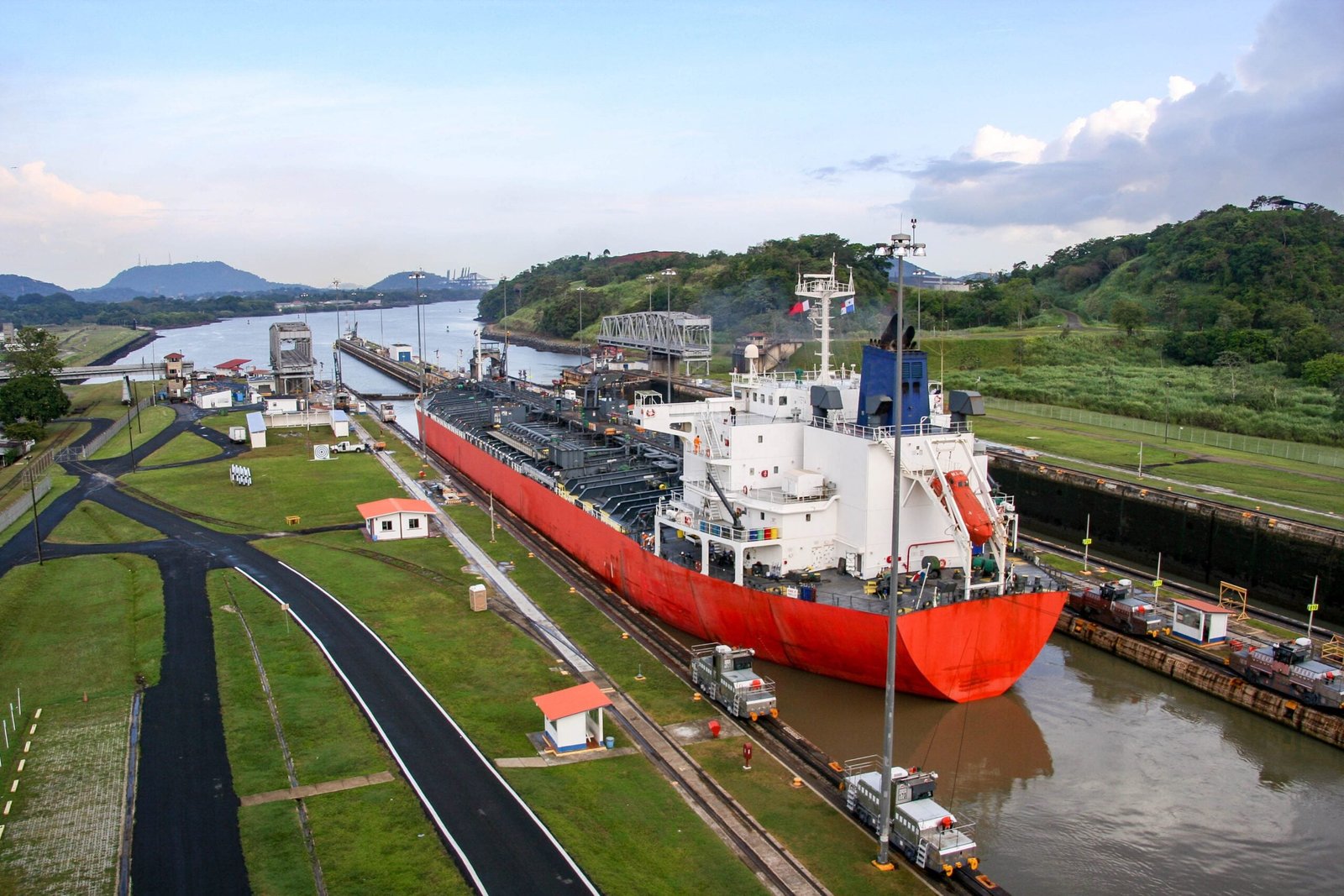
Traffic through the Panama Canal is experiencing significant growth, primarily driven by disruptions in the Strait of Hormuz that are pushing more U.S. energy exports towards Asia and the Pacific. According to BIMCO Shipping Analysis, transits have surged by 8% year-over-year, averaging 38 per day. This increase is particularly influenced by the tanker sector, with recent data noting a remarkable 16% year-over-year rise in vessel movements over the past five weeks, as conflicts in Iran and reduced shipments through Hormuz have heightened demand for U.S. crude oil, LNG, and refined products.
Currently, the Panama Canal operates near its maximum capacity, with a daily limit of 36 to 40 transits. This high demand has resulted in longer waiting times, with average delays increasing by 50% annually to 47 hours. Additionally, last-minute canal slot prices have surged amidst escalating congestion. The importance of the canal in global shipping is underscored as it adapts to changes in tanker routing patterns due to the ongoing crises.
However, concerns loom regarding potential El Niño impacts, which are likely to reduce rainfall in Central America, affecting Gatun Lake’s water levels—critical for canal operations. Despite the warnings, the Panama Canal Authority has indicated no immediate plans for transit restrictions, attributing historical reservoir levels to effective water conservation measures. As the maritime industry navigates these challenges, the Panama Canal remains a crucial artery for global shipping.