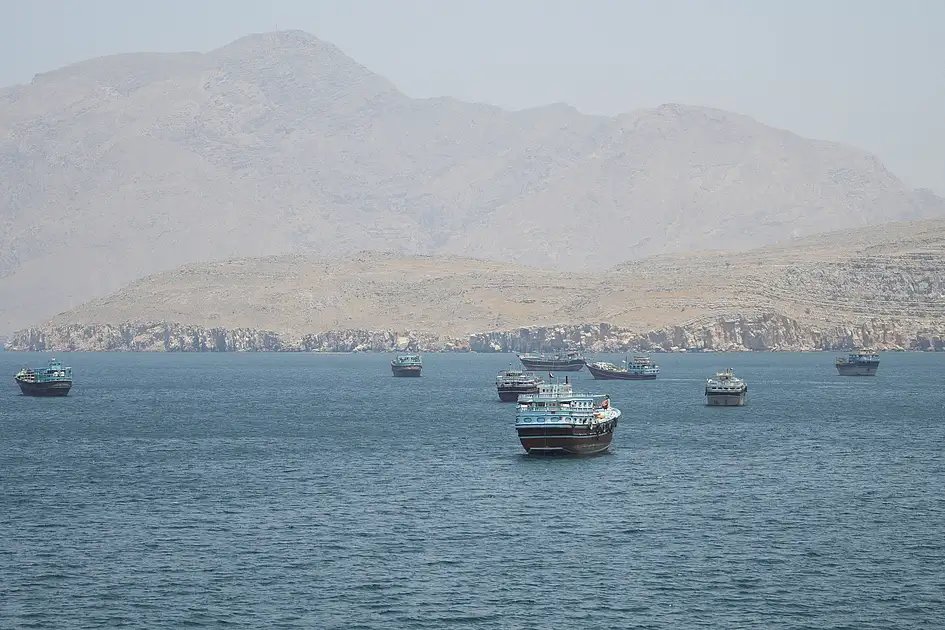
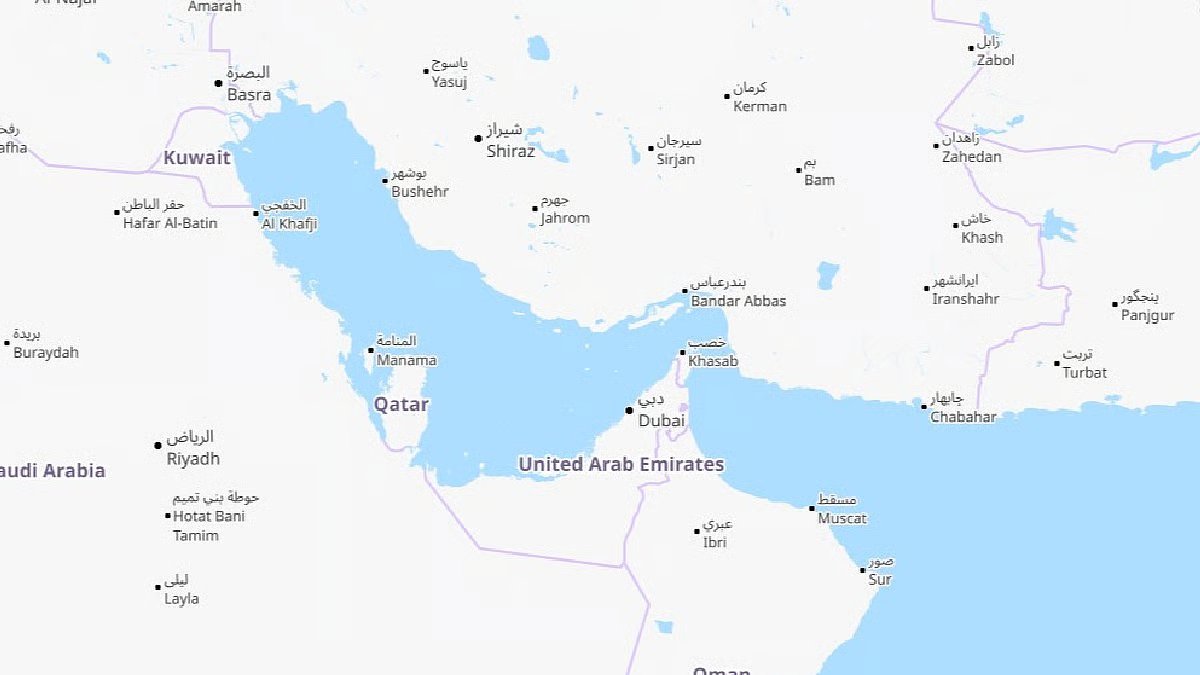
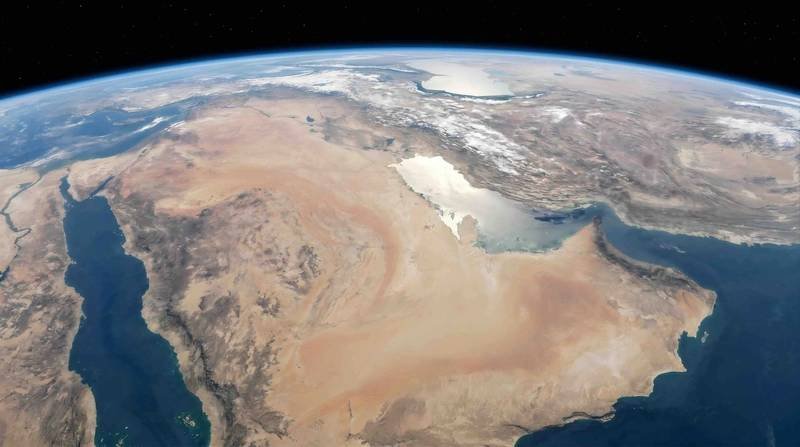
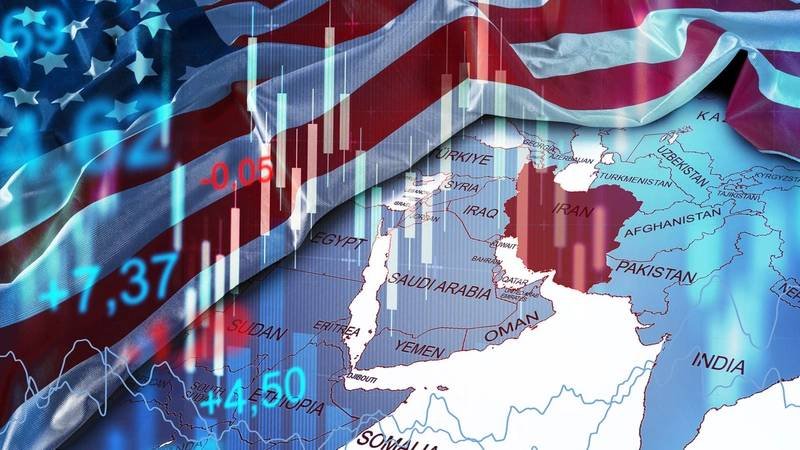
The ongoing conflict in Iran has disrupted decades of stability among Middle Eastern oil and gas producers, particularly affecting the Strait of Hormuz. Iran’s capability to close this vital waterway has altered the risk landscape for neighboring Gulf countries, jeopardizing their long-term energy strategies. The recent war has exposed deep-seated tensions between Iran and its regional neighbors, including Saudi Arabia and the UAE, who had previously avoided direct confrontation to protect their economic interests.
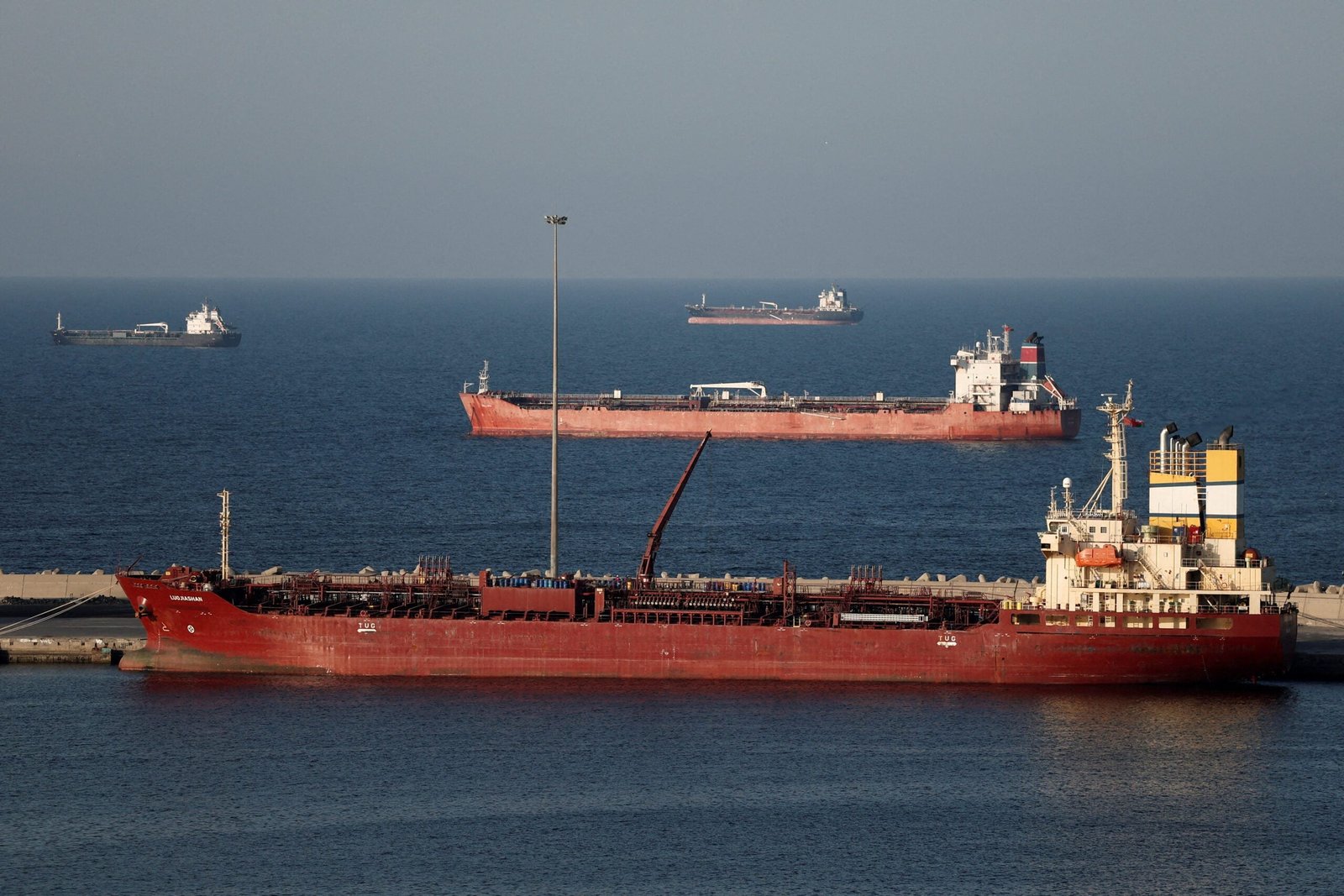
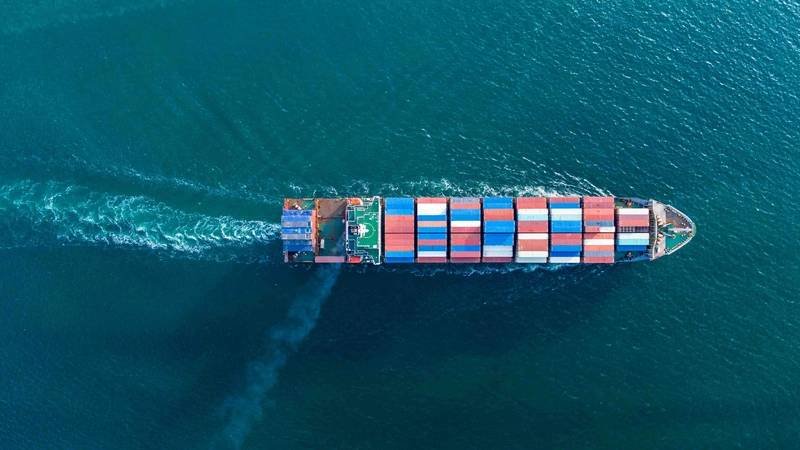
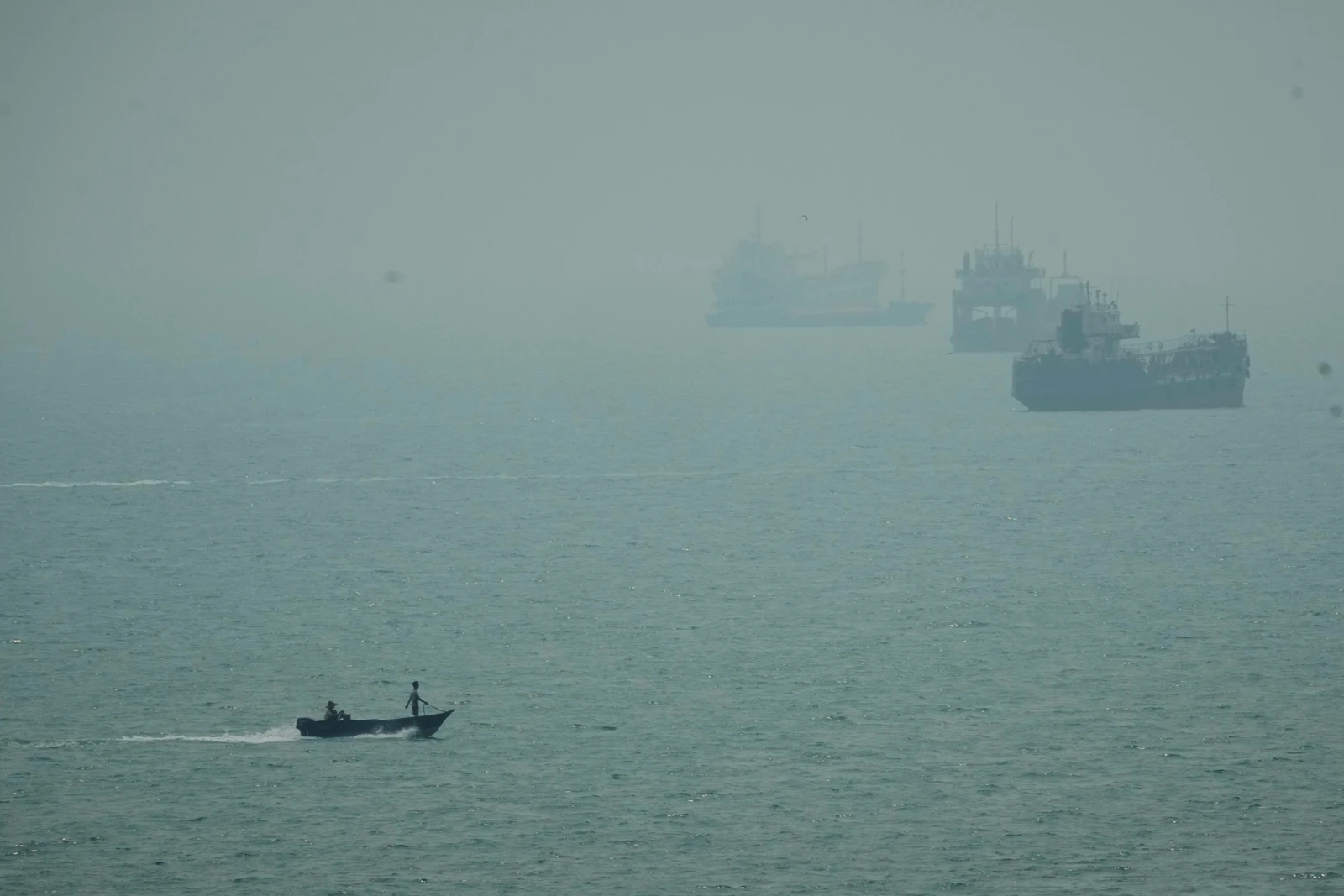
The closure of the Strait for the first time in history has trapped a significant portion of the world’s oil and gas supply, delivering a shock to both regional and global economies. Even if shipping resumes, the precedent set by Iran’s actions has raised concerns about future closures. Iran has indicated a desire to maintain control over the strait, potentially charging transit fees, which has escalated tensions further.
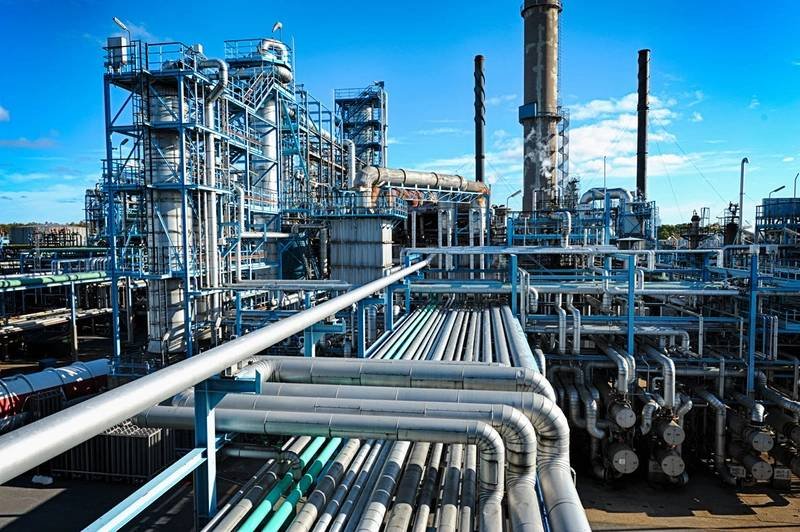
The conflict has also highlighted vulnerabilities in the region’s energy infrastructure, with Iranian strikes damaging critical facilities and reducing oil production capacity significantly. This instability threatens the Gulf’s economic model, compelling nations to reassess their energy strategies amid shifting global demand. The situation is likely to provoke further confrontations as Gulf powers seek to prevent Iran from leveraging its position in the Strait of Hormuz in the future.


![Port of NEOM development area in focus at Oxagon[34].jpg](https://crewmirror.com/wp-content/uploads/2023/05/The-port-of-NEOM-in-Saudi-Arabia-is-open-for.jpg)