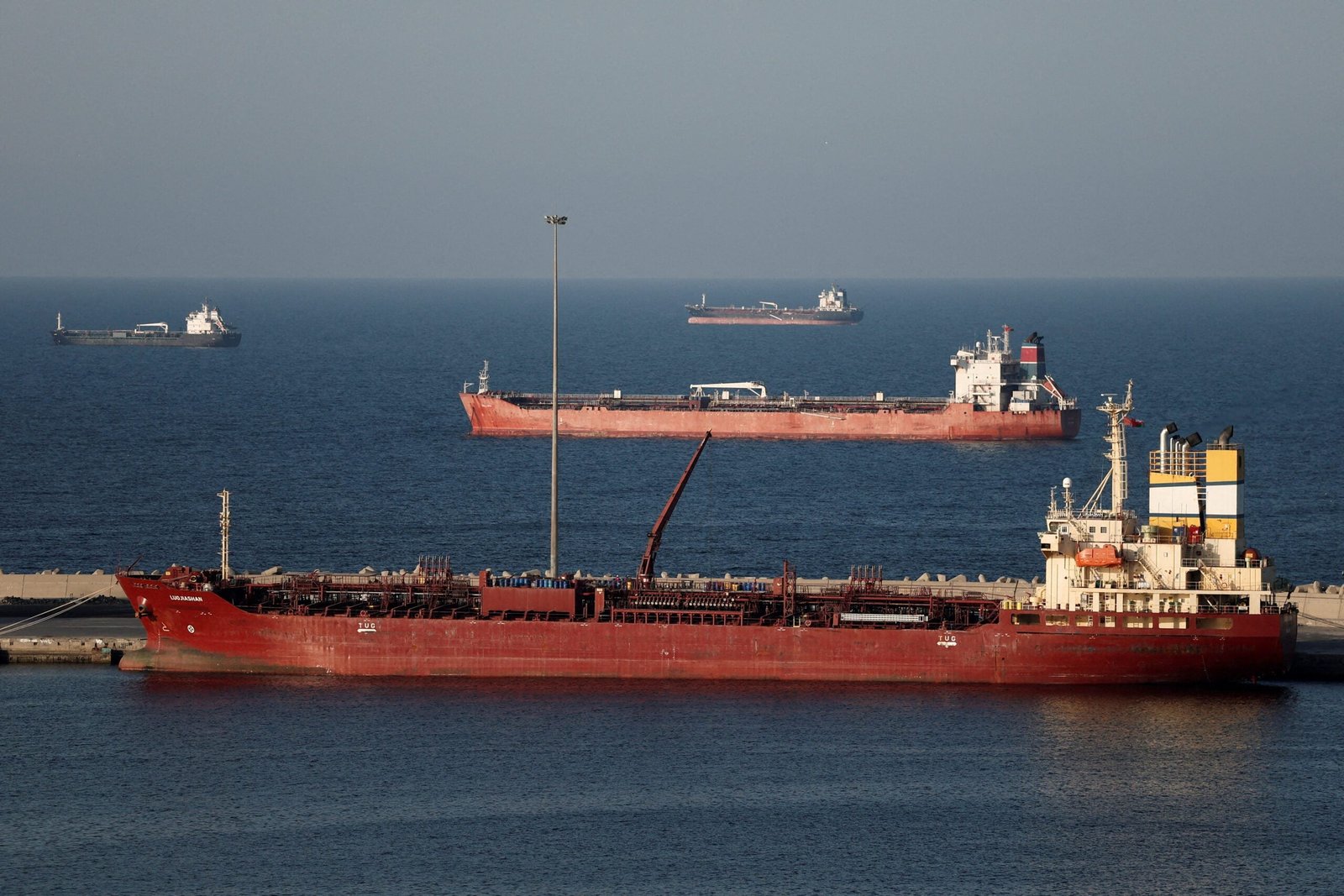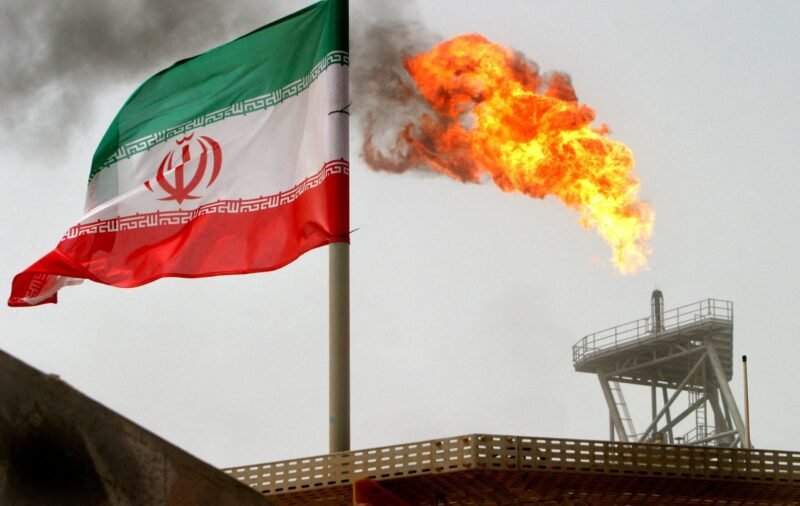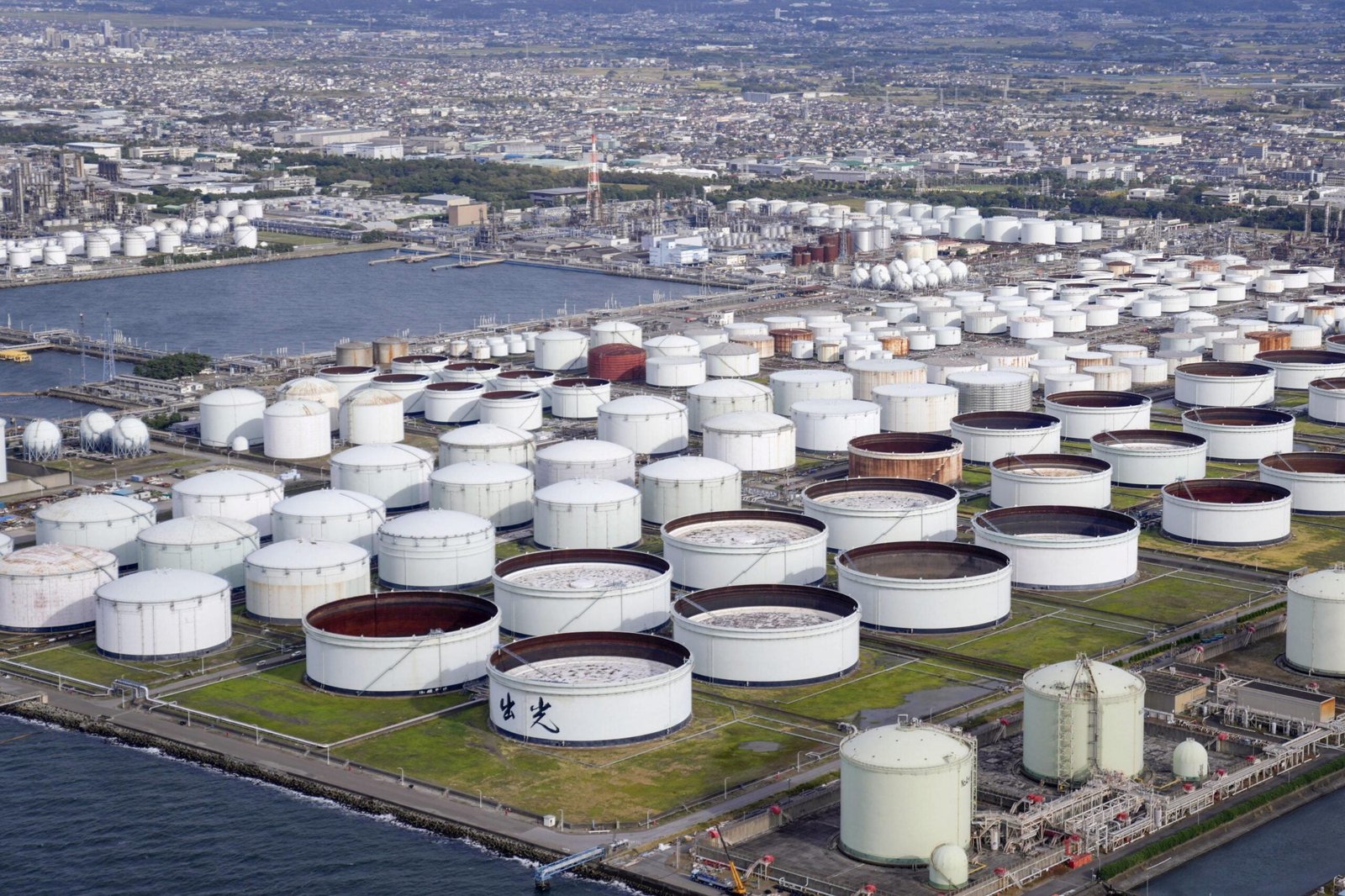
A prolonged closure of the Strait of Hormuz could lead to a significant global energy supply crisis, potentially pushing oil prices close to $200 per barrel, as indicated by Wood Mackenzie’s new analysis. This critical chokepoint currently restricts over 11 million barrels per day of Gulf crude production and limits 20% of the global LNG supply, amounting to more than 80 million tonnes annually.
According to Peter Martin, head of economics at Wood Mackenzie, the implications of such a disruption extend beyond energy markets. A sustained closure would likely affect energy prices, industrial activity, global trade flows, and overall economic growth. In their recent Horizons report, titled Strait Talking: Iran War Scenarios and the Future of Energy, Wood Mackenzie outlines three potential scenarios: a rapid resolution, a settlement by late summer, or a lengthy disruption lasting until late 2026.
The most optimistic scenario sees a reopening by June, with Brent crude expected to decline to around $80 per barrel by year’s end. Conversely, a prolonged closure could result in severe economic ramifications, with predictions of a 0.4% contraction in the global economy by 2026 and sharp declines in GDP across regions.
In the longer-term scenario, the LNG market also faces significant challenges. Persistent supply issues may accelerate efforts to diversify energy sources in Europe and Asia, increasing reliance on renewable energy and U.S. LNG exports. Overall, the potential impact of this crisis underscores the fragility of global economic and industrial supply chains.