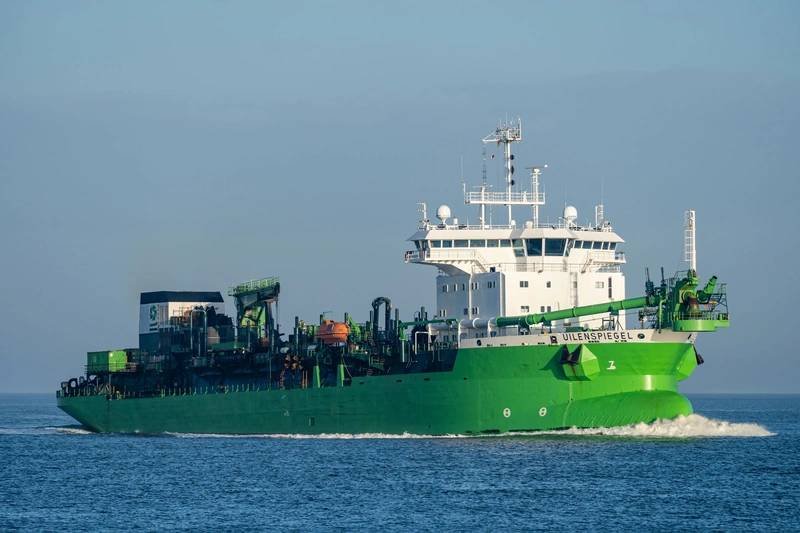
Modern dredging vessels are among the most mechanically demanding ships, operating as cutter suction or trailing suction hopper dredgers. They face extreme torque fluctuations and high power transmission while maintaining productivity in harsh marine environments. Unlike conventional vessels, dredgers exert unique stresses on their drivetrains due to factors like cutter heads striking hard seabeds and the engagement of high inertia pump systems. This makes drivetrain reliability crucial for effective dredging performance.
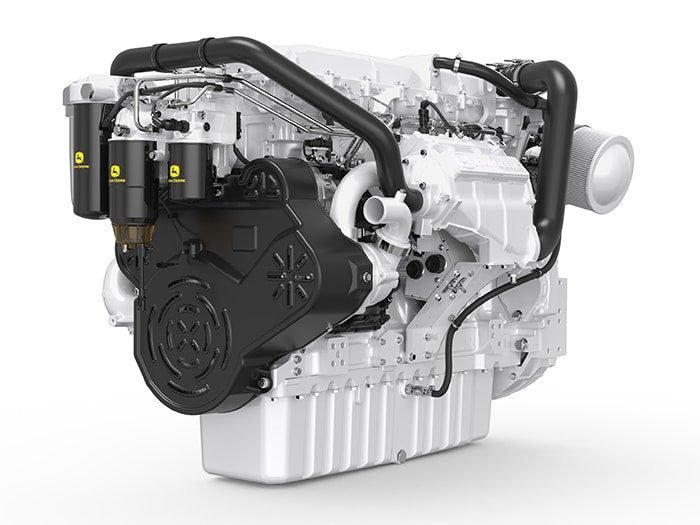
The drivetrain in these high-capacity dredgers must be engineered as an integrated system, typically featuring diesel engines or electric motors that drive power through gearboxes and heavy-duty couplings to dredge pumps or cutter heads. Each component is vital for managing shock loads and misalignment. Failures often occur when parts are mismatched rather than from isolated issues. Thus, successful dredging powertrains rely on precise application engineering and integration.
Customization is essential in dredging vessel design, with owners and OEMs specifying requirements rather than model numbers. This results in unique engineered solutions tailored to specific operational needs. Collaboration among gearbox manufacturers, drivetrain specialists, and coupling suppliers is critical to ensure compatibility and performance.
While electrification is emerging, most dredging vessels remain diesel-driven. Operators are continually pushing these vessels to meet higher performance standards, necessitating robust drivetrain solutions capable of enduring demanding duty cycles. Suppliers who understand the entire drivetrain, from engine to cutter head, are crucial for enhancing the safety and productivity of dredging operations globally.