By Weilun Soon, Tsuyoshi Inajima, and Yuji Okada
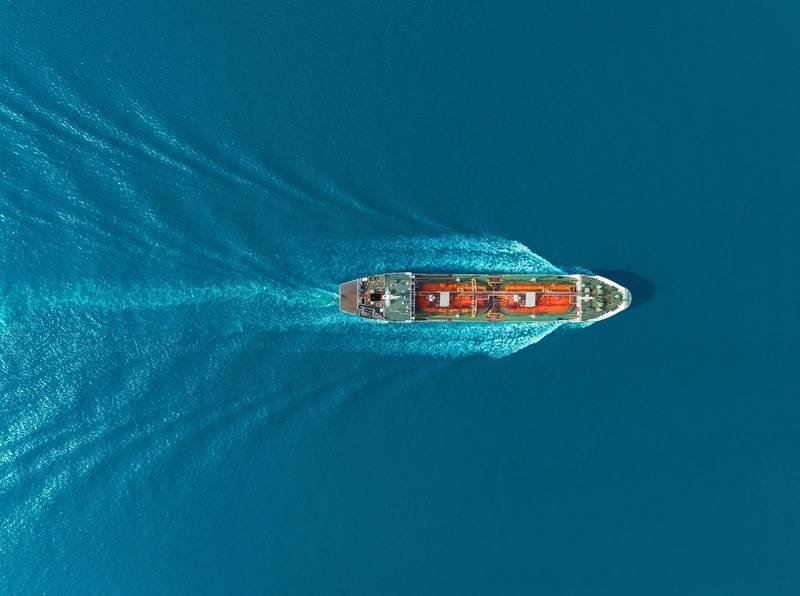
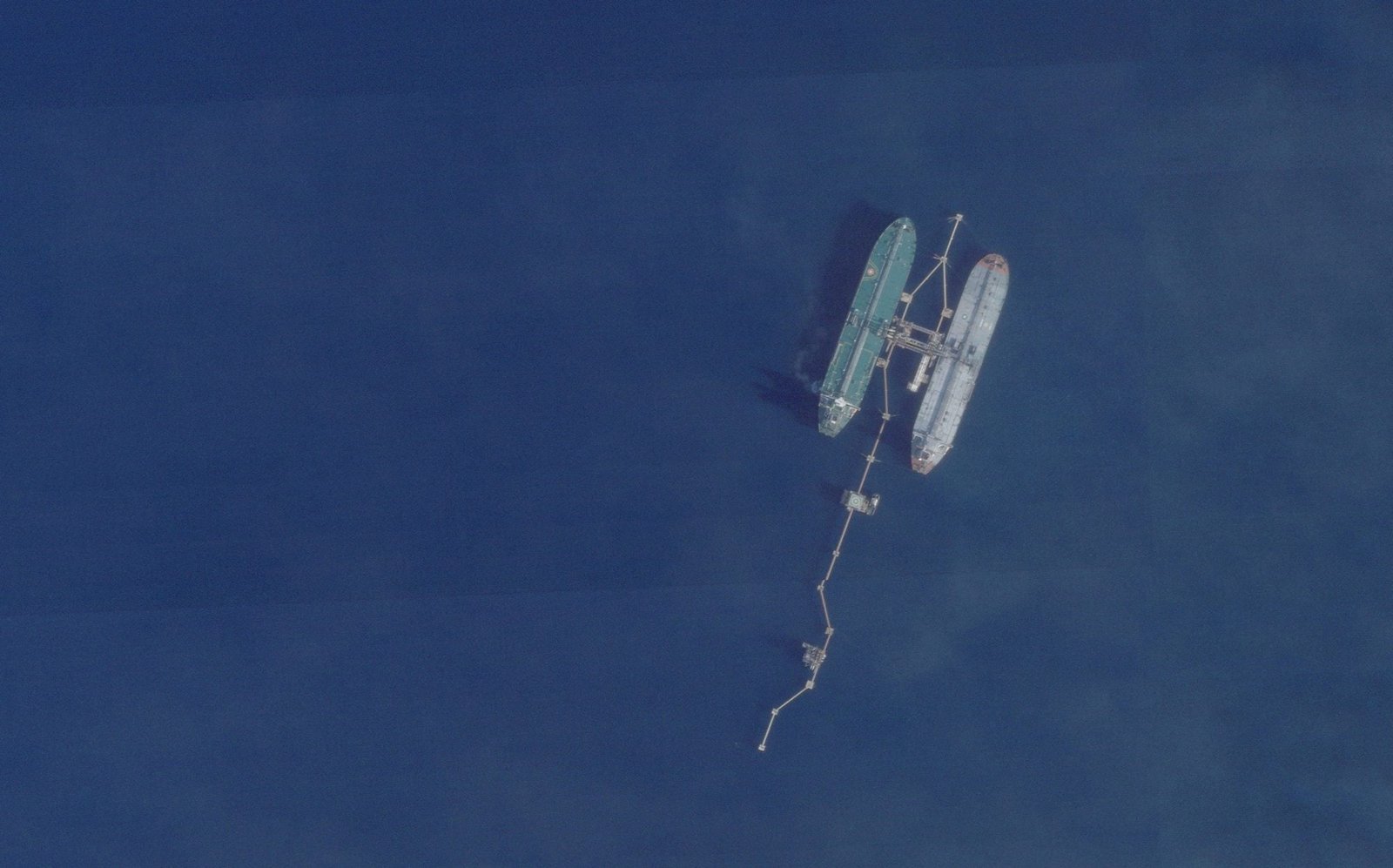
As of April 16, 2026, a partially loaded supertanker, the Bright Horizon, is en route to Japan from near Mumbai, showcasing the extreme lengths that Japanese refiners are taking to secure oil supplies. The tanker recently acquired a cargo of Omani oil from another vessel, Shenlong, via an offshore transfer, underscoring the urgency of Japan’s energy needs amidst regional instability.
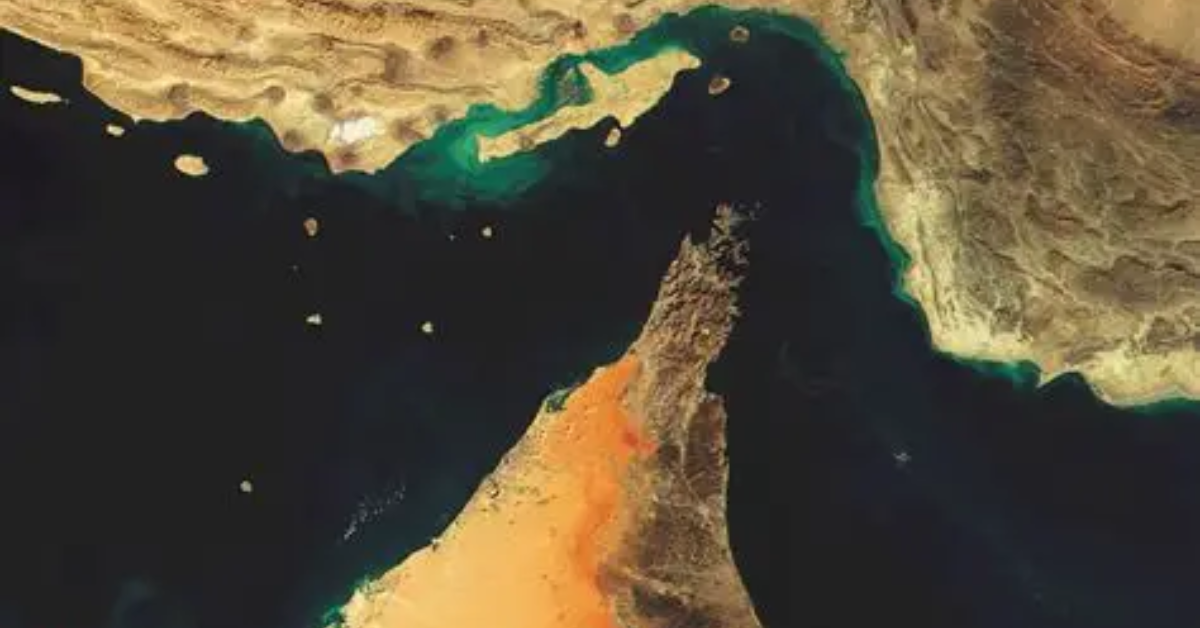
Due to the Iran war, which has effectively closed the Strait of Hormuz, Japan has had to act swiftly to ensure its crude supply. This has led refiners to expedite shipments from the US using smaller tankers that can access the Panama Canal, bypassing the longer routes required for larger vessels around Africa. The Bright Horizon’s current situation is particularly noteworthy as it is less economical for ships to travel partially loaded, especially since freight costs have surged due to ongoing conflicts in the Middle East.
The offshore transfer to the Bright Horizon marks the third ship-to-ship cargo movement involving Japanese-owned tankers in recent weeks, a strategy employed to navigate the heightened risks of conflict zones. Japan is also facing a looming crude shortage, prompting plans to release 20 days’ worth of oil reserves in May to alleviate the situation.
ENEOS Ocean Corp., linked to Eneos Holdings Inc., operates the Bright Horizon, while the Shenlong was among the first major vessels to leave the Persian Gulf in early March. The current maneuvers reflect Japan’s ongoing efforts to stabilize its energy supply amidst rising geopolitical tensions.