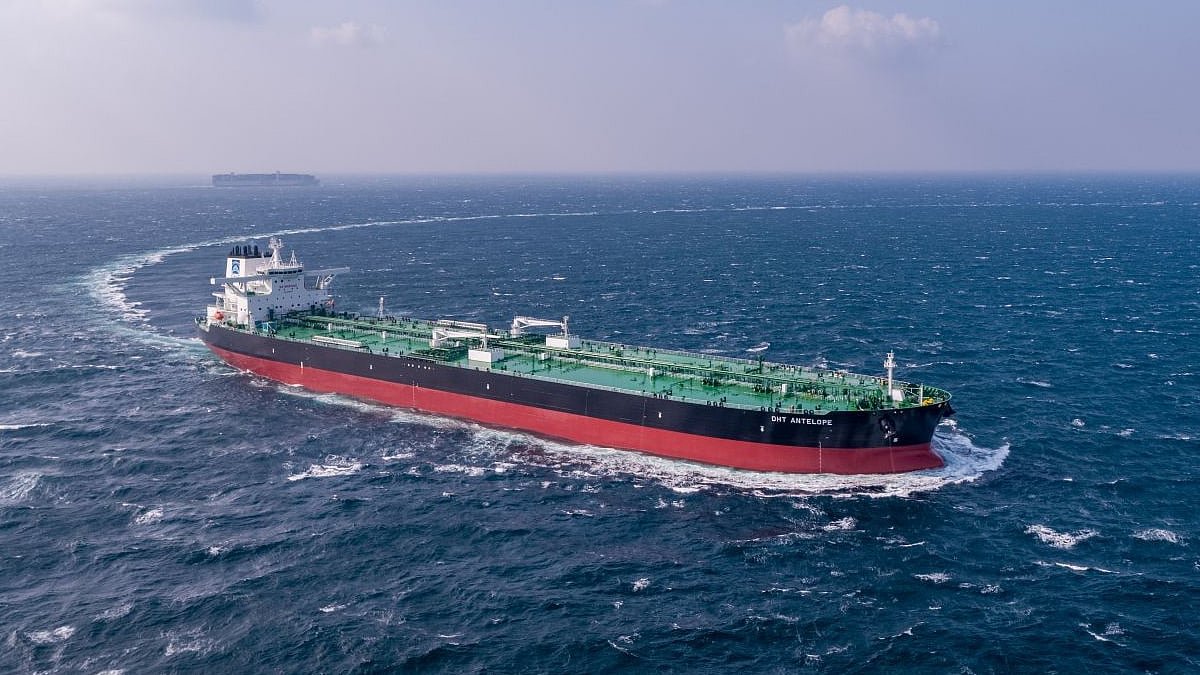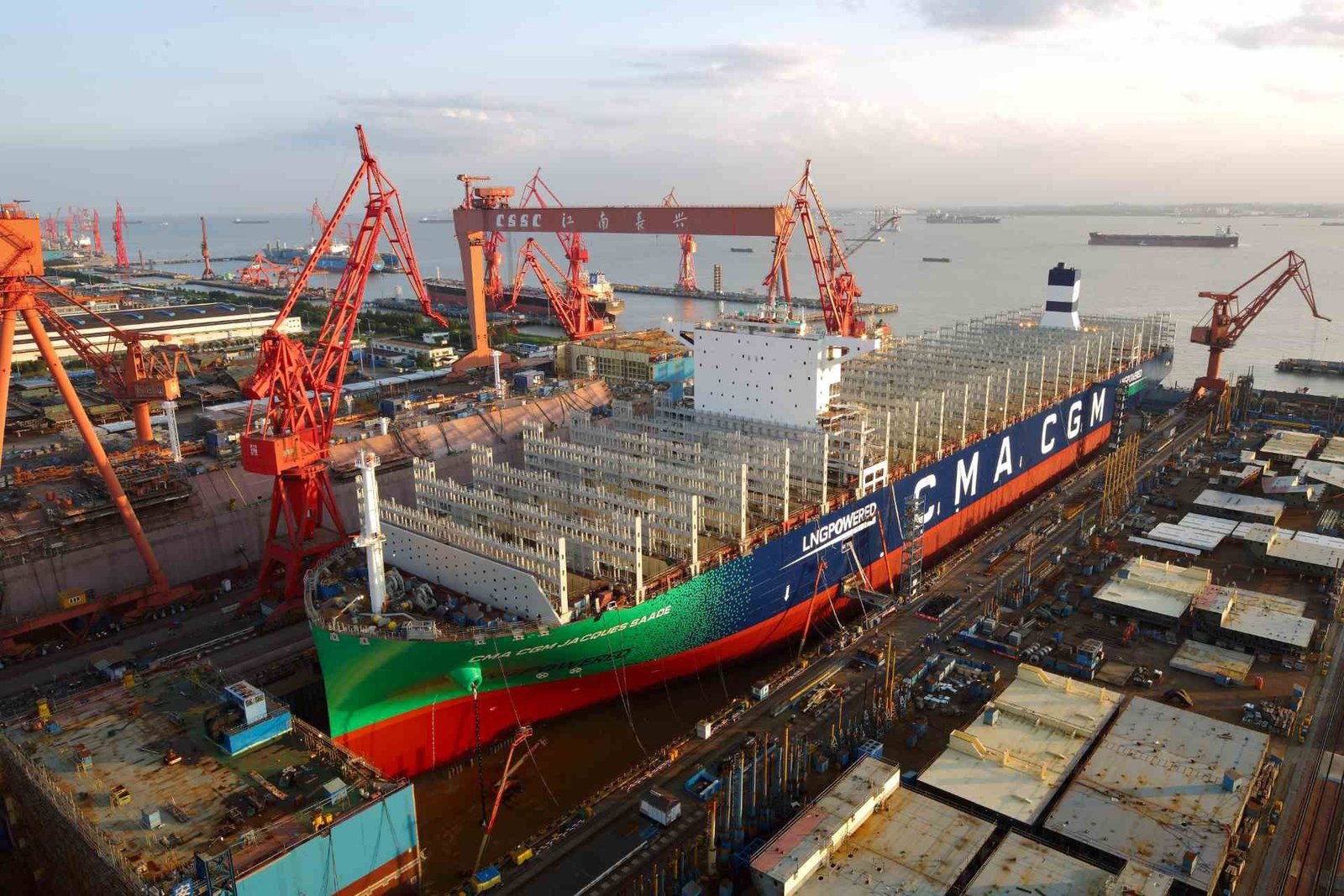
The traditional valuation model in shipping, where vessels depreciate over time, has been disrupted in the VLCC market. Recent sales of older Very Large Crude Carriers (VLCCs) for prices exceeding those of newbuilds have highlighted this shift. For instance, older ships, even those over a decade old, have seen their values soar above the standard newbuilding price due to rapid increases in demand and earnings potential. A ten-year-old VLCC’s value has eclipsed new build costs for the first time, demonstrating a significant market anomaly.
Data reveals astonishing increases in vessel values in just a few months; for example, the valuation of five-year-old VLCCs jumped from $145 million to $172 million, while 15-year-old ships rose from approximately $83.5 million to $135 million. Buyers are evidently willing to pay a premium for the immediate availability of these vessels, which can generate substantial daily earnings, compared to the long wait times associated with new orders. In a context where VLCC earnings have risen dramatically, with daily averages skyrocketing to nearly $723,000, paying a premium for older vessels begins to seem reasonable.
Moreover, geopolitical factors, particularly tensions around the Strait of Hormuz, have impacted tanker availability, further driving up prices. The complications introduced by the strait’s closure have caused a critical reduction in available fleet capacity, prompting oil producers to invest in their transportation capabilities. Consequently, national oil companies are increasingly opting to acquire their own fleets to maintain operational security amidst rising geopolitical risks.
While current market conditions are favorable for VLCC owners, the surge in demand has led to an influx of new orders for tankers, hinting at a potential future surplus. This creates a dichotomy where the long-term viability of steep valuations remains uncertain as conditions may shift, influencing future earnings and asset depreciation. Ultimately, the unique pricing dynamics in today’s market stem from an intense need for immediate availability rather than traditional metrics of age or construction costs.