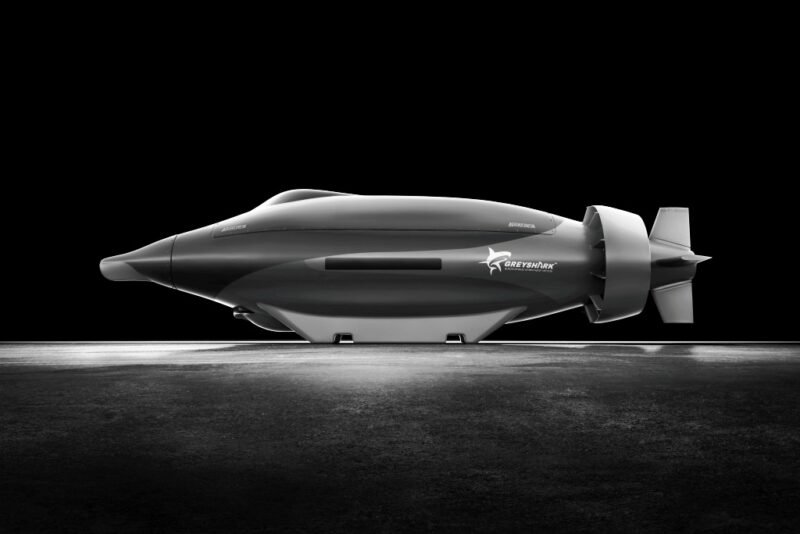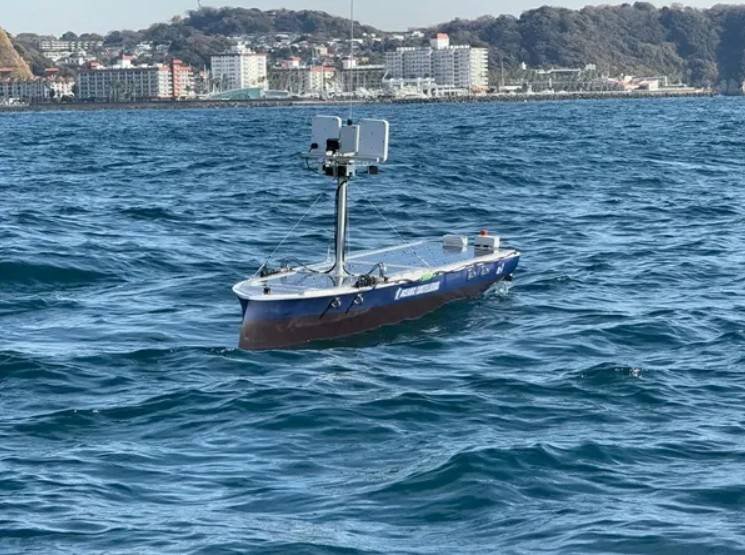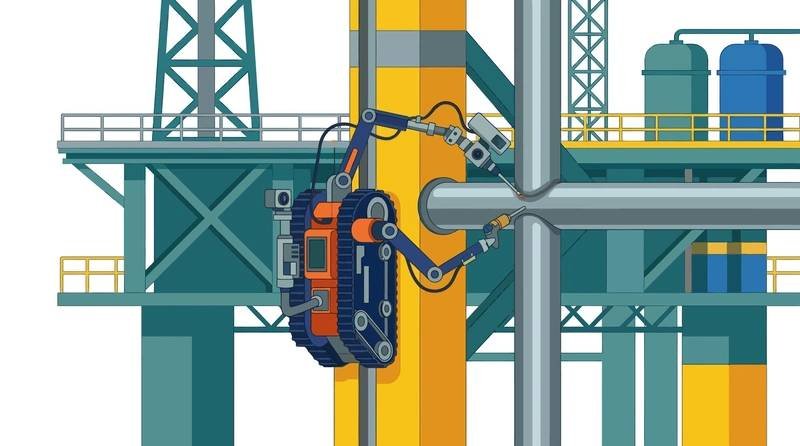
Maritime autonomy often conjures images of large, crewless cargo ships, but the real advancements are in smaller uncrewed surface vessels (USVs) and autonomous underwater vehicles (AUVs). These technologies are already being utilized for seabed surveys, pipeline inspections, and offshore wind farm monitoring. Intelatus Global Partners reports 825 commercial designs and prototypes globally, primarily from suppliers in Europe and North America.
The market is not uniform; terminology like Maritime Autonomous Surface Ship (MASS) and USVs can obscure the commercial landscape. MASS typically refers to larger vessels with varying autonomy levels, while USVs and AUVs handle specific, repetitive tasks more efficiently. Regulatory frameworks are evolving, with a non-mandatory MASS Code adopted in May 2026, while smaller vessels are advancing more rapidly due to domestic regulations.
Business models are shifting from capital expenditures to service-based models like Data-as-a-Service, where companies buy data and insights rather than hardware. This transition emphasizes the importance of software, data processing, and regulatory compliance over traditional vessel construction. The offshore energy sector is particularly well-suited for these technologies, enabling significant efficiency gains and reduced operational risks. However, challenges such as fragmented regulations and cybersecurity concerns remain barriers to widespread adoption.