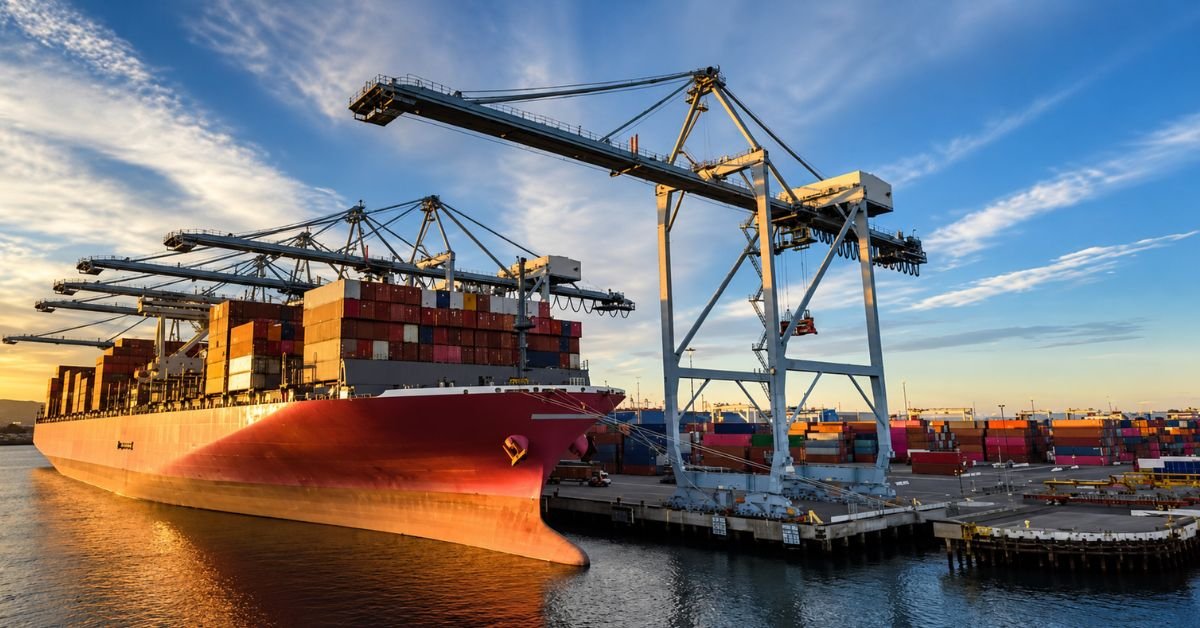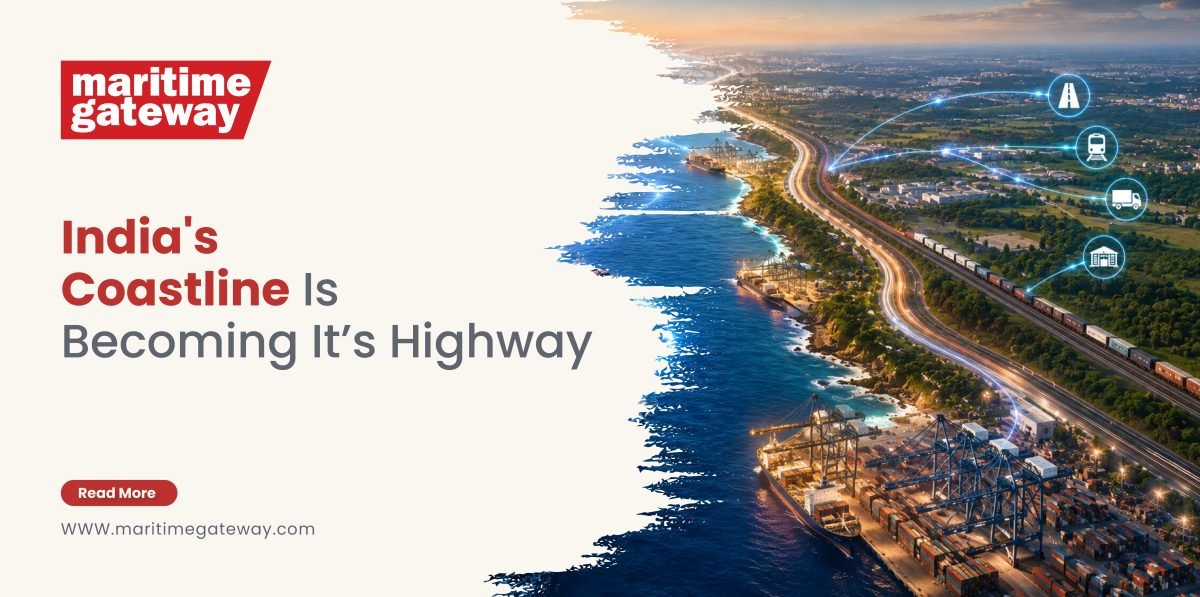
Coastal shipping in India is experiencing a significant transformation, driven by new policies and infrastructure improvements. With an extensive coastline of 11,098 km, coastal shipping has traditionally been underutilized. Recent figures show a surge in coastal cargo, from 119.5 million tonnes in FY15 to a projected 213.5 million tonnes by FY26, aided by the Coastal Shipping Act of 2025. This law modernizes the framework, expanding the scope of coastal trade to include various maritime activities, which aims to boost growth in India’s logistics ecosystem.
The benefits of coastal shipping are manifold. It provides lower logistics costs compared to road and rail transport, especially for bulk cargo, which is crucial in reducing India’s historically high logistics costs. Additionally, shifting freight from congested highways to coastal routes alleviates traffic and enhances public safety. This mode also boasts environmental advantages, as ships are more fuel-efficient than trucks. Furthermore, the focus on building a domestic coastal fleet aims to strengthen national security and create jobs in maritime sectors.
Despite these advancements, challenges remain. Operational issues like the lack of return cargo and inadequate infrastructure hinder growth. While recent legislative changes aim to streamline operations, execution has lagged, with many projects still in the planning stages. Overall, while the potential is significant, the real test lies in translating policy into effective logistics solutions for India’s vast coastline.