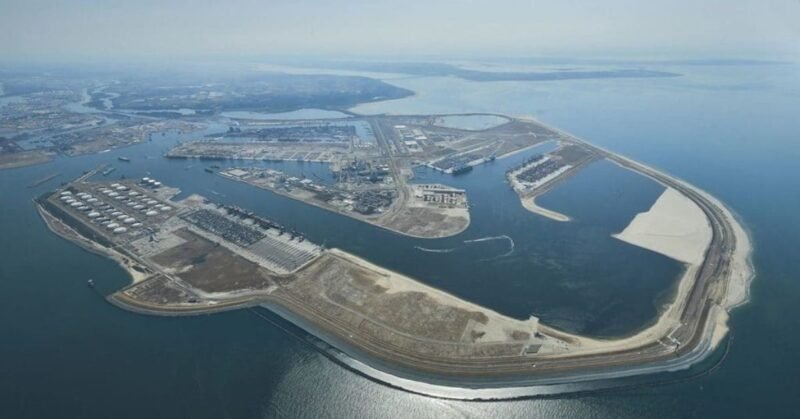
A recent study, titled “Enabling Nuclear-Powered Feeder Ships,” explores the feasibility of nuclear-powered commercial vessels using the Port of Rotterdam as a case study. Conducted by Lloyd’s Register, the Port of Rotterdam Authority, CORE POWER, and A.P. Moller – Maersk, the research suggests that existing port safety and risk-management frameworks could effectively assess the integration of nuclear-powered ships in major European ports.
The study outlines critical questions for ports, regulators, and industry stakeholders, emphasizing the need for regulatory alignment, emergency preparedness, and public engagement before routine operations can begin. As the shipping industry faces increasing pressure to adopt scalable zero-emission technologies, the report advocates for including maritime nuclear propulsion in broader discussions on decarbonization and energy resilience.
While current EU policies focus on alternative fuels like hydrogen and ammonia, the report highlights the potential need for additional propulsion solutions that ensure reliability and operational flexibility. It concludes that existing safety frameworks could serve as a foundation for assessing nuclear vessels, provided that nuclear-specific considerations are integrated into regulatory processes.
Key findings indicate that further work is necessary to modernize existing International Maritime Organization provisions and to enhance collaboration between nuclear and maritime safety regimes. Major ports and maritime nations could significantly influence how nuclear propulsion is evaluated and integrated into future shipping strategies.